
Hydrocracking vs Hydrotreating: Two Types of Hydroprocessing In Petroleum Refining
Written By: Mr.Ran
Senior Petrochemical & Waste Oil Recycling Engineer
Deeply involved in the design, manufacturing, and optimization of various waste oil recycling and petrochemical equipment, delivering practical and efficient solutions for clients worldwide.
Hydroprocessing is a critical catalytic process in petroleum refining, engineered to upgrade crude oil fractions by removing contaminants and purifying their chemical composition. Within this category, hydrotreating and hydrocracking serve distinct yet highly complementary roles.
Each of these processes, as well as where they overlap, is discussed in-depth in the following sections.
What are Hydrocracking and Hydrotreating?
| Process Feature | Hydrotreating | Hydrocracking |
| Main Objective | Purification: Removes sulfur, nitrogen, and impurities. | Conversion: Breaks heavy molecules into lighter fuels. |
| Molecular Change | Non-destructive: Hydrocarbon structures remain intact. | Destructive: Splits carbon-carbon bonds. |
| Operating Severity | Moderate temperature & pressure. | Severe (Very high temperature & pressure). |
| Key End Products | Ultra-Low Sulfur Diesel (ULSD), clean feedstocks. | High-quality jet fuel, premium diesel, base oils. |
Hydrocracking, as a catalytic refining process, is centered on the decomposition of heavy hydrocarbon molecules into high-value light products such as gasoline, diesel, and aviation kerosene. This process operates under temperatures ranging from 400 to 700°F and pressures exceeding 3000 psi. Hydrogen, in conjunction with specially designed catalysts, not only stabilizes the newly formed light hydrocarbon molecules but also inhibits side reactions such as coking. Therefore, for the upgrading of low-value raw materials like vacuum gas oil (VGO) and residual oil, hydrocracking is currently the most effective method for converting them into high-quality fuels.
In contrast, hydrotreating focuses on purifying petroleum fractions by removing impurities such as sulfur, nitrogen, oxygen, and metals. These contaminants not only reduce fuel quality and corrode refining equipment but also cause environmental problems. The reaction conditions for hydrogenation treatment are relatively mild, typically at temperatures of 300 to 800°F and pressures of 400 to 2000 psi, using hydrogen and catalysts to remove impurities. Unlike hydrocracking, hydrogenation treatment hardly alters the molecular framework of hydrocarbons, and its purpose is to improve the quality of raw materials and ensure that the final products comply with ultra-low sulfur (ULSD) environmental regulations.
Catalyst Types in Hydrocracking and Hydrotreating
Catalysts play a pivotal role in both hydrocracking and hydrotreating, dictating the efficiency, selectivity, and effectiveness of each process.
Hydrocracking Catalysts
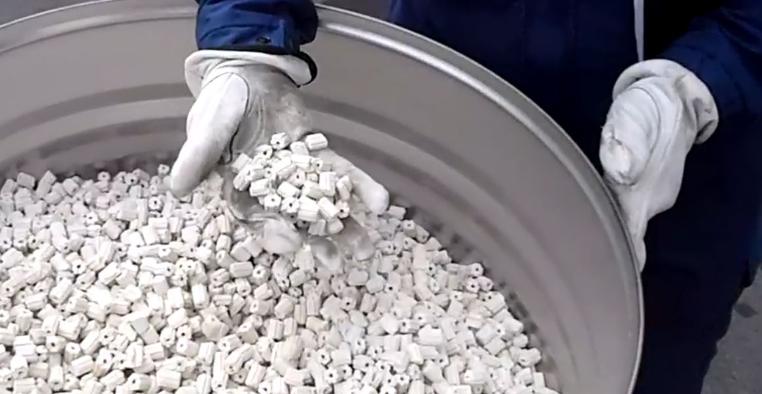
Hydrocracking makes use of bifunctional catalysts that bring together two main components:
- Acidic Support: Zeolites and amorphous silica-alumina, for instance, are the materials that provide the acidic sites. They are very important in the entire cracking process of large hydrocarbon molecules into small, more valuable products.
- Active Metals: The hydrogenation and dehydrogenation reactions are made possible by noble metals like platinum and palladium or by base metals like nickel-molybdenum (Ni-Mo) and cobalt-molybdenum (Co-Mo). These metals contribute to the stability and also the formation of the preferred hydrocarbon structures.
Hydrotreating Catalysts
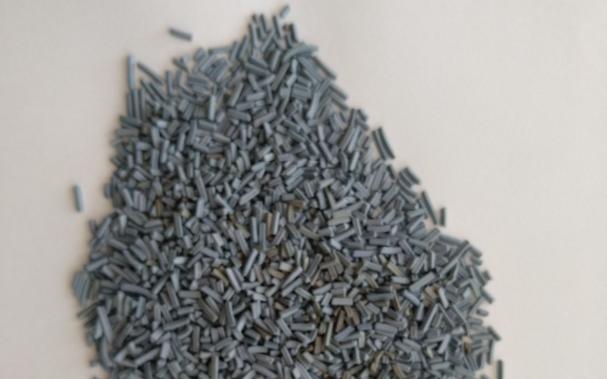
The catalysts used in hydrotreating applications are highly specialized and specifically aimed at removing impurities such as sulfur, nitrogen, oxygen, and metals from feedstocks.
- Active Metals: Cobalt-molybdenum and nickel-molybdenum pairs are the most common choices. These metals in their sulfide form are very effective in the removal of impurities, especially the removal of sulfur and nitrogen.
- Support Material: To ensure that the active metals perform to their full potential, they are spread over alumina with a very large surface area as a support. This support will not only keep the metals in the proper place but will also increase their contact with the feedstock.
The special structure of these catalysts is created to meet the particular demands of hydrocracking and hydrotreating, thus guaranteeing that the processing is efficient and the products are of high quality.
Hydrocracking vs Hydrotreating: What’s the Difference?
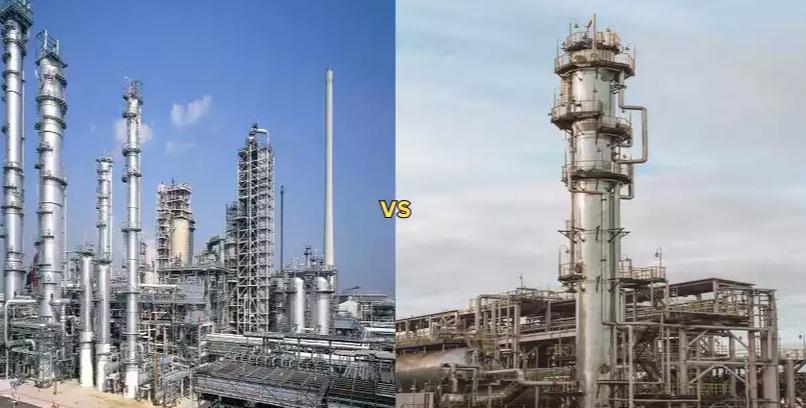
Hydrocracking and hydrotreating are distinct processes with different goals, operating conditions, and outcomes. Here’s a comparison of their key characteristics:
| Aspect | Hydrocracking | Hydrotreating |
| Primary Purpose | Converts heavy hydrocarbons into lighter, high-value products like diesel, jet fuel, and gasoline. | Removes impurities such as sulfur, nitrogen, oxygen, and metals from feedstocks. |
| Key Reaction | Breaks down (cracks) large hydrocarbon molecules using hydrogen. | Hydrogenates and removes impurities without altering the feedstock structure. |
| Operating Conditions | Requires higher temperatures (400–450°C) and pressures (up to 200 bar). | Operates at lower temperatures (300–400°C) and pressures (typically 50–100 bar). |
| Catalyst Composition | Bifunctional catalysts combine an acidic component (e.g., zeolite) and metals (e.g., Ni-Mo, Co-Mo, or noble metals). | Metal sulfides (e.g., Co-Mo or Ni-Mo) supported on alumina. |
| Hydrogen Consumption | High hydrogen demand for saturation and cracking. | Moderate hydrogen usage for impurity removal. |
| Product Output | Produces lighter, high-value fuels with improved yield flexibility. | Maintains the feedstock’s molecular structure while producing cleaner, compliant fuels. |
| End Use | Produces fuels for direct use (diesel, jet fuel, etc.) or blending. | Prepares feedstocks for further refining or as final products that meet environmental standards. |
| Environmental Role | Produces ultra-clean fuels with reduced emissions. | Ensures compliance with sulfur and other regulatory limits. |
This comparison emphasizes that hydrocracking primarily aims at conversion and enhancing product quality, whereas hydrotreating focuses on purification and the removal of impurities. Despite their distinct objectives, these two processes frequently work together to complement one another in refinery operations.
Synergy Between Hydrocracking and Hydrotreating
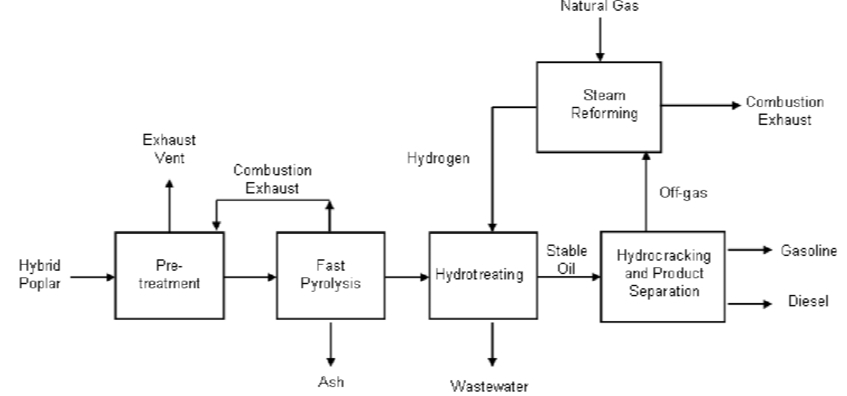
Hydrocracking and hydrotreating are not the same processes, but are nevertheless commonly incorporated into the refining system to improve performance and quality of the final product.
- To eliminate the feedstock of sulfur, nitrogen, and other impurities, hydrotreating is frequently applied before hydrocracking. This is a very important step since impurities, if present, can negatively affect the hydrocracking catalysts, making them less efficient and shortening their life.
- Hydrocracking, after the hydrotreating process, utilizes the heavy hydrocarbons to produce light, more profitable fuels and chemicals that are still of good quality. The two main operations made it possible for the final products to already be in accordance with the strictest environmental and performance standards.
- The combination of these two processes allows the refineries to adapt easily to different kinds of crude oils and other inputs; besides, it’s a great way of yield optimization and waste minimization. The merging thus gives rise to the hydrogen-economical solution, as hydrotreating in its turn lessens excessive hydrogen consumption in the following stages.
In modern petroleum refining, hydrocracking and hydrotreating play a decisive role in upgrading heavy fractions and removing impurities. By efficiently shifting the boiling range and altering chemical structures, these advanced hydroprocessing technologies maximize the yield of high-value, top-quality clean fuels and petrochemical feedstocks.
To Sum Up
Hydrocracking and Hydrotreating are fundamental hydroprocessing operations that have become integral to modern-day petroleum refineries. While hydrocracking is mostly involved in the production of lighter and more valuable products from heavy hydrocarbons, the Hydrotreating process is all about purification and the removal of impurities from the feedstock. Thus, these two operations serve complementary roles that make them extremely important to the petroleum refineries.
Need Engineering Support for Your Refinery Project?
PurePath designs and delivers medium-to-large scale, high-efficiency hydroprocessing plants tailored to your feedstock specifications. Talk to Our Process Engineers Today