
How to Start a Used Oil Recycling Business: Costs & ROI
Written By: Mr.Ran
Senior Petrochemical & Waste Oil Recycling Engineer
Deeply involved in the design, manufacturing, and optimization of various waste oil recycling and petrochemical equipment, delivering practical and efficient solutions for clients worldwide.
Used oil recycling plays an integral role in environmental sustainability by eliminating hazardous waste from polluting soil and water supplies. With increasing regulations surrounding waste disposal and an ever-increasing need for refined oil products, launching an eco-friendly used oil recycling business could prove a highly lucrative and eco-friendly venture.
Overview of the Used Oil Recycling Industry
The oil recycling industry is an invaluable service that not only protects the environment but also converts waste oil into very valuable reusable products. Different countries and continents have placed very strict regulations on waste oil disposal, thus keeping ongoing a great demand for compliant recycling services that are:
- Collection services provide businesses with safe oil pickup within a subscription plan.
- Re-refining (transforming waste oil into base lubricants, fuels, or industrial feedstocks).
- Byproduct Sales (turning waste oil into asphalt, additives, mold release agents, or synthetic fuels).
One of the anticipated drivers of the market growth is the imposition of environmental regulations that require proper waste oil disposal, along with the resulting cost savings in virgin oil switching, the pursuit of sustainability goals by companies encouraging eco-friendly disposal methods, and the reduced cost among users who repurpose refined oil instead of virgin oil.
Automobile and industrial activities are on the rise, leading to great potential profitability of waste oil recycling while also contributing to the circular economy. By the way, entrepreneurs who are looking to enter this space might be receiving the long-term demand, government incentives, and the rising interest in sustainable waste management solutions.
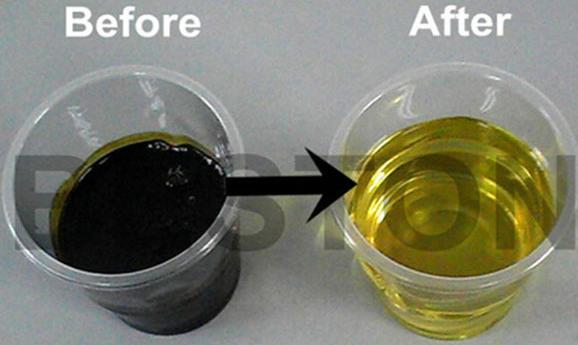
Cost and ROI of Setting Up a Used Oil Recycling Business
Starting a used oil recycling business requires significant initial capital, yet it can yield lucrative long-term rewards due to environmental regulations and demand for recycled oil products. Below is an outline of costs and potential profitability.
Initial Investment Cost

The following table can be used as a reference for the initial investment of used oil recycling equipment. The specific situation varies according to needs:
| Expense Category | Estimated Cost Range(USD) |
| Business Registration & Permits | 5,000–20,000 |
| Facility (Lease or Purchase) | 50,000–500,000 |
| Collection Equipment | 100,000–300,000 |
| Recycling Machinery | 200,000–1,000,000+ |
| Labor & Operational Costs | 50,000–150,000/year |
| Marketing & Logistics | 10,000–50,000 |
| Miscellaneous (Insurance, Safety Gear, etc.) | 10,000–30,000 |
| Total Estimated Startup Cost | 425,000–2,050,000+ |
Potential Revenue & ROI

Primary Revenue Streams
- Collection Fees: Charge businesses such as auto shops or factories 0.50-2 per gallon to collect oil for pickup.
- Recycled Oil Sales: Sell processed oil back to refineries, power plants, or industrial users for 3-8 per gallon as a recycled product.
- Byproduct Sales: Make money selling asphalt additives, industrial fuels, or lubricant base oils as byproduct sales.
Revenue Projections (Annual Estimates)
| Business Scale | Oil Processed (Gallons/Year) | Estimated Revenue |
| Small (Collection Only) | 500,000 – 1M | 250,000–250,000–1M |
| Medium (Basic Processing) | 1M – 5M | 1M–1M–4M |
| Large (Full Re-refining) | 5M+ | $5M+ |
Profit Margin and Return On Investment (ROI)
- Gross Profit Margins: 30% to 50% for the sales of refined oil, and might even be higher for the sales of recycled oil.
- Breakeven Point: It takes an average of 2 to 5 years, depending upon the efficiency of operations and the demand in the market.
- Long-term ROI: Companies can receive annually 20-44% returns after the business is fully operational.
The new oil recycling industry can be very profitable for the environment. Investors in this field will see the initial investment return very soon if they start with a smaller amount (just collection) and then move up to processing. The risk would be minimized, and the profit maximized in that way.
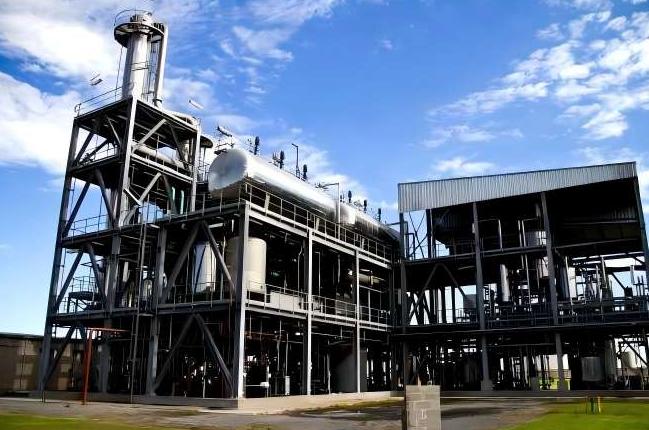
Main Steps Setting Up Your Waste Oil Recycling Business
It takes a significant amount of time to plan everything out, adhere to the environmental guidelines, and purchase the necessary equipment for the logistics to set up a used oil recycling business. An outline of the main stages that led to the successful launch of this project is presented below.
Market Research & Business Plan Development
A thorough investigation must be carried out before making the investments by analyzing the demand and competition in the chosen market.
- Suppliers: The primary sources of used oil are auto workshops, industrial manufacturing plants, and fleet management companies; contact these for information on their disposal of oil.
- Legal Aspects: Look into the rules established by the federal government (EPA) as well as state and municipal authorities regarding waste oil collection, movement, and reprocessing.
- Formulate a Business Strategy: Choose the short option of only carrying out the gathering and selling of oil, or take the longer and more expensive route of recycling and fine-tuning the oil.
- Monetary Forecasts: Determine the necessary investment, recurring costs, and revenue streams that could arise (like oil collection fees, sales of recycled oil, and byproducts).
Financial institutions are more likely to lend money if they see a good business plan, and that plan will also be a useful tool for running the enterprise.
Obtain Necessary Licenses & Permits
Recycled oil recycling is a tightly regulated industry; any breaches could lead to fines or closure.
- Register Your Business: Establish an LLC or Corporation for liability protection.
- Environmental Permits: Apply for both federal and state hazardous waste handling permits to begin handling toxic materials responsibly.
- Transportation Licenses: When collecting oil from multiple locations, ensure you obtain a hazardous waste transporter license in each case.
- Local Zoning Approvals: Make sure that your facility satisfies industrial zoning and environmental safety standards before starting construction.
Consult an environmental lawyer or regulatory specialist to avoid legal pitfalls.
Secure Funding & Set Up Your Waste Oil Recycling Machine
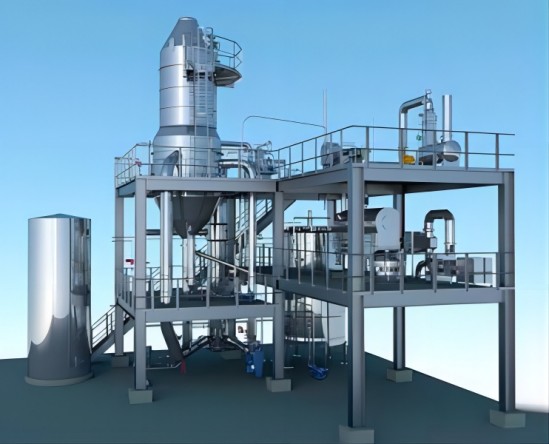
To start a business of recycled oil, you will need a lot of money.
Think about financing alternatives such as small business loans, government grants, or private equity investors. After you have got the money, you should decide on a place for your plant that is near the suppliers of oil, so you will not have to spend much on transportation. The place must have a proper drainage system, spill containment systems, and storage tanks that comply with the regulations.
Besides, if you intend to process the oil yourself, then invest in the required used oil recycling equipment comprising oil collection trucks, filtration systems, and re-refining machinery, etc.
Establish a Solid Supply Chain and Sales Network
The continuous supply of crude oil and dependable customers are the two main factors that affect the success of the oil business.
First, Partner with local auto garages, factories, and transport companies for waste oil collection; every partnership should be built based on offering attractive rates for pickup. Then, connect with refiners, asphalt manufacturers, or industrial fuel traders who buy eco-friendly oil for resale.
With solid business relationships, you can have a constant influx of cash, which can be utilized to expand your operations gradually while also providing extra services such as recycling filters, which can serve as an additional revenue stream.
Want to Get Started?

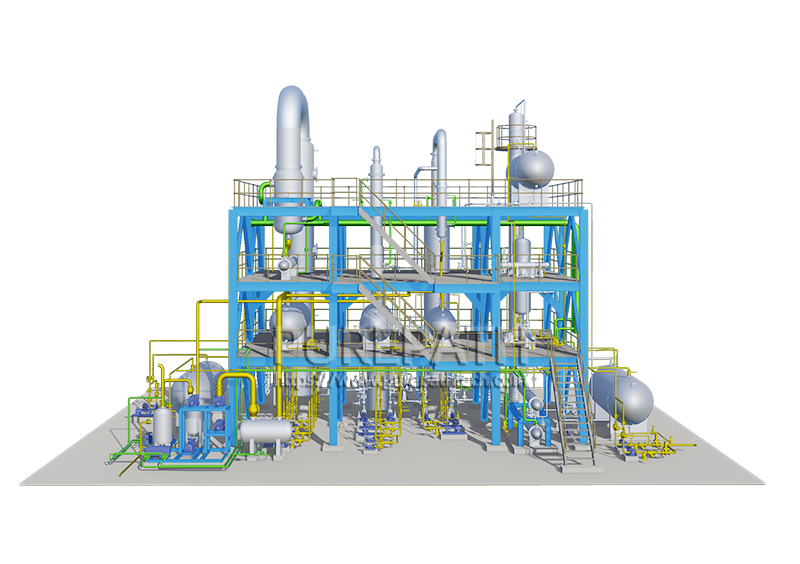
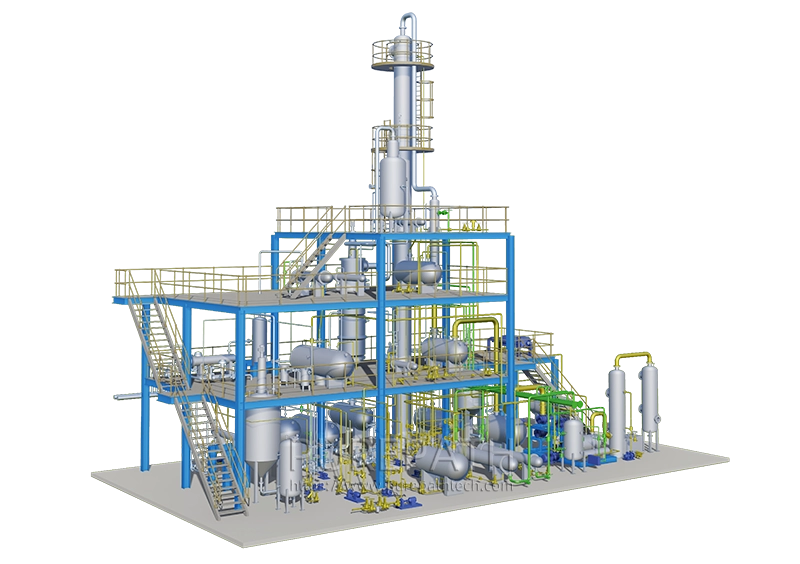
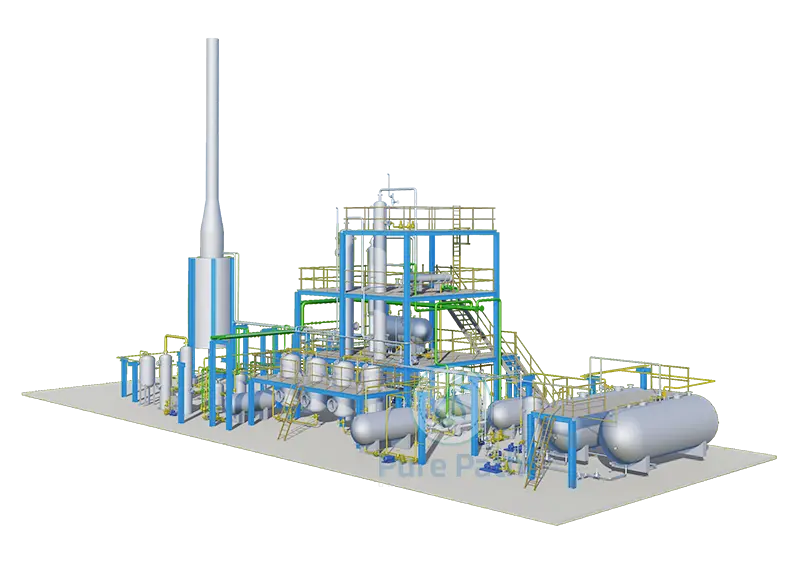
An used oil recycling company’s foundation needs not only the appropriate machinery but also permission from the authorities, a reliable supply chain, and a partnership with a trustworthy manufacturer to maximize production and profit. Purepath is the major supplier of top-notch waste oil processing plants, inventing new methods for oil purification, refining, and distillation. Purepath’s plants are capable of operating at perfect efficiency; thus, the businesses turning waste oil into new usable products are able to do so within the framework of the environmental rules and standards.
Why Choose Purepath?
- Our used recycling plants ensure high oil recovery rates with low energy consumption.
- Whether you require a small-scale set-up or a complete refining process, Purepath tailors equipment to your requirements.
- Our equipment is compliant with international environmental standards, reducing the risk of operation.
By choosing Purepath, you invest in a sustainable, profitable future. Visit our website today to explore the solutions!