
How We Test Re-refined Base Oil: ASTM Checklist for Quality Assurance
Written By: Mr.Ran
Senior Petrochemical & Waste Oil Recycling Engineer
Deeply involved in the design, manufacturing, and optimization of various waste oil recycling and petrochemical equipment, delivering practical and efficient solutions for clients worldwide.
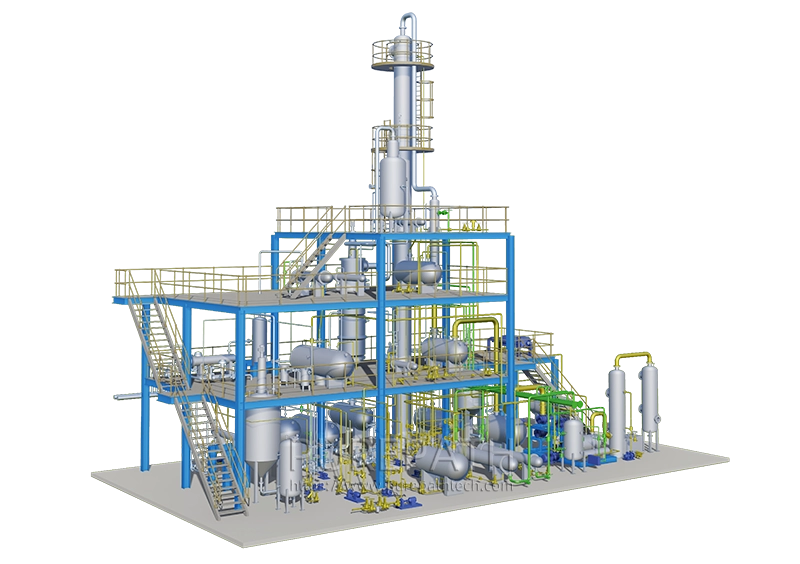
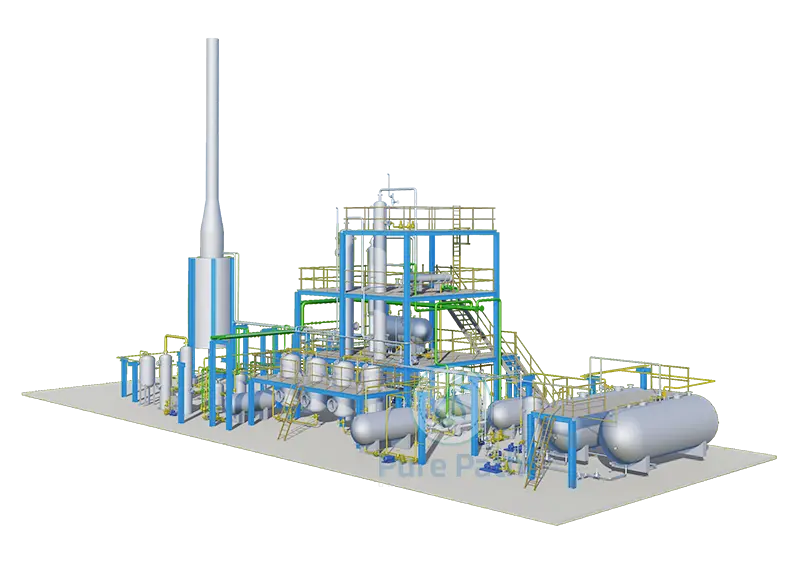
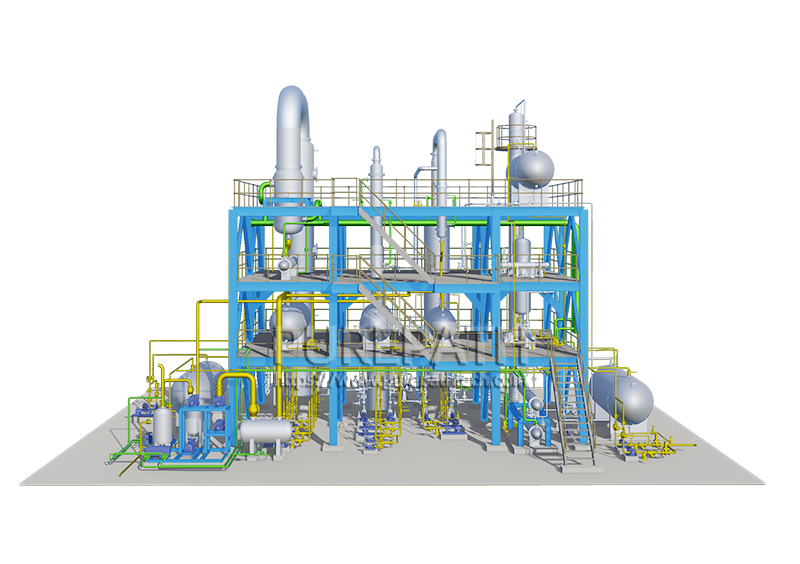
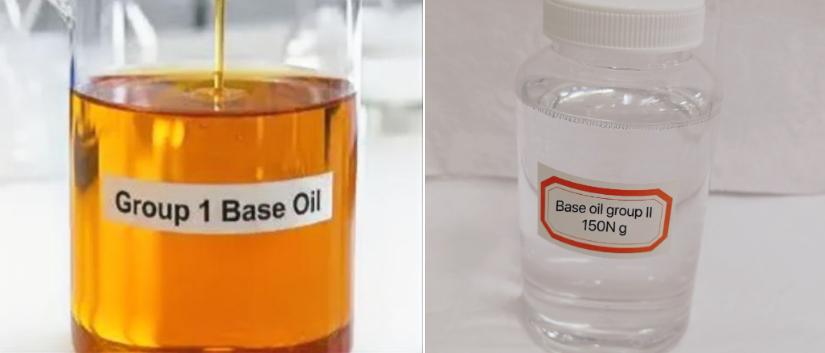
As refinery engineers managing daily operations in a waste oil re-refining plant, the primary technical challenge we address is demonstrating that recycled products match the performance profiles of virgin base oils. Our plant receives tanker loads of feedstock that contain varying amounts of degraded additives, combustion by-products, and mechanical wear metals. The complex hazardous waste thus generated can be converted to high-quality re-refined base oil of API Group I or Group II through systematic chemical processing and rigorous laboratory validation.
To gain acceptance among lubricant blenders and industrial end-users, empirical laboratory data must replace subjective quality assumptions. We rely strictly on standardized testing frameworks to prove data-driven equivalency. The primary standard governing this verification process is ASTM D6244, which is the standard guide for the evaluation of re-refined base oils. We test every production run in our labs using detailed American Society for Testing Materials (ASTM) methods that establish the exact technical standards required for commercial use and API compliance.
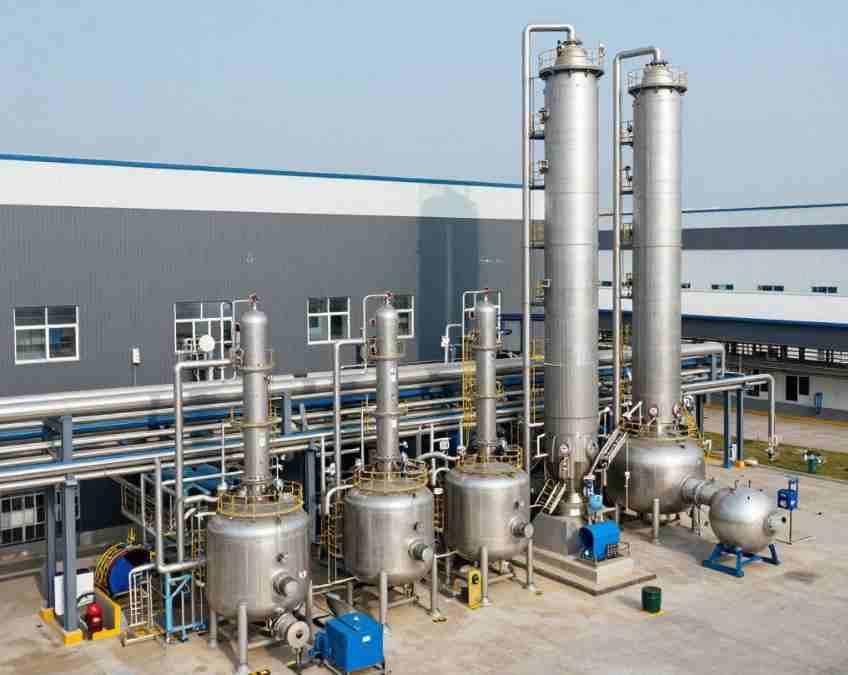
Why ASTM Testing is Critical for Re-refined Base Oil (RRBO)
Used motor oils and industrial lubricants are complex mixtures of liquid hydrocarbons containing heavily sheared polymers, fuel dilution, soot, polycyclic aromatic hydrocarbons (PAHs), and acidic oxidation products. The core mission of a waste oil re-refining plant is the complete removal of these contaminants without altering the useful hydrocarbon structures that survived the initial drain interval.
Without systematic testing, blenders usually can’t tell whether the batch of re-refined base oil keeps enough oxidation resistance or if it still has leftover contaminants, which will mess up the finished lubricant formulations later on.Adhering to the ASTM framework eliminates technical ambiguity. It ensures that the refined hydrocarbon stream achieves the exact physical and chemical purity required to function as a direct substitute for virgin base stocks, providing a predictable response to standard additive packages.
The Core 3 Dimensions of ASTM Testing in Our Refinery
Our refinery laboratory categorizes baseline testing protocols into three technical dimensions: physical properties, chemical purity, and long-term stability.
1. Physical Constraints & Grade Determination
Physical constants dictate the mechanical classification of the base stock and ensure consistency across commercial supply chains.
- ASTM D445 (Kinematic Viscosity): In our lab, we measure kinematic viscosity at 40℃ plus 100℃, sort of to figure out the speed of fluid movement under gravity. Then, for the production lines, this checking, it helps confirm if a batch can be sorted properly against target grades like SN150, SN300, or SN500. Consistent viscosity profiles ensure predictable film thickness in finished engine oils.
- ASTM D2270 (Viscosity Index): This empirical number is used to calculate the variation of kinematic viscosity with temperature. Group II oils with a high Viscosity Index (VI) ≥120 disperse the oil’s structure at high temperatures of operation, but it is fluid at lower temperatures. In our plant, the VI directly correlates with the severity of our hydrotreating phase.
- ASTM D92 (Flash Point): We use the Cleveland Open Cup tester to find the lowest temperature at which oil vaporizes to make an ignitible mixture with air. A low flash point indicates that light ends or residual fuel fractions (e.g., gasoline or diesel) were not completely removed during the vacuum distillation step. Flash point >=200℃ is a key parameter for safety and quality.
- ASTM D97 (Pour Point): This test identifies the lowest temperature at which the re-refined base oil continues to flow. It measures the crystallization of residual wax fractions. If the pour point is too high, it informs our process engineers to adjust the catalytic dewaxing parameters or signals the blender to increase the dosage of pour point depressants.
2. Purity & Contaminant Elimination
This dimension validates the chemical separation efficiency of our distillation and hydrotreatment units, ensuring that all harmful legacy components are eliminated.
- ASTM D5800 (Noack Volatility): This procedure determines the evaporative mass loss of a base oil when heated to 250℃ under a constant flow of air for 60 minutes. High volatility leads to increased oil consumption and rapid viscosity thickening in modern internal combustion engines. Managing Noack volatility requires precise control over the fractionating column cut points during distillation.
- ASTM D664 (Total Acid Number – TAN): Used oil contains high levels of organic and inorganic acids due to high-temperature oxidation in engines. We use potentiometric titration to measure the milligrams of potassium hydroxide (mg KOH) required to neutralize the acids in one gram of oil. Our target specification for re-refined base oil is strictly <0.05 mg KOH/g to prevent component corrosion.
- ASTM D5185 (Inductively Coupled Plasma Atomic Emission Spectrometry): This multi-element determination method is a central pillar of our quality control. We utilize ICP-AES to quantify trace elements down to parts-per-million (ppm) levels.
The analytical focus remains on two primary elemental groups:
| Elemental Category | Specific Elements Evaluated | Technical Objective in Re-refining |
| Wear Metals | Iron (Fe), Copper (Cu), Lead (Pb), Tin (Sn) | Verify absolute removal of mechanical engine wear debris. |
| Legacy Additives | Calcium (Ca), Magnesium (Mg), Zinc (Zn), Phosphorus (P) | Ensure complete extraction of original detergent and anti-wear packages. |
| Catalytic Toxins | Silicon (Si), Chlorine (Cl), Sulfur (S) | Prevent contamination that deactivates fixed-bed hydrotreating catalysts. |
3. Stability & Longevity Performance
Long-term performance tests assess how the base stock responds over extended operating hours under thermal and oxidative stress.
- ASTM D2272 (Rotary Pressure Vessel Oxidation Test – RPVOT): This method utilizes a pressurized vessel charged with oxygen, water, and a copper catalyst coil rotated at 140℃. We record the time required for a specific drop in oxygen pressure, which indicates the onset of rapid oxidation. The RPVOT induction time allows our engineers to evaluate the baseline oxidation stability and verify how effectively the oil responds to conventional antioxidant additives.
- ASTM D3427 (Air Release Properties): We blow compressed air through the oil heated to 50℃ and measure the time required for the entrained air volume to reduce to 0.2%. If polar impurities or surfactant residues from old additive chemistry are left behind by inadequate refining, the air release time increases significantly. This test is vital to prevent cavitation failures in hydraulic and turbine applications.
Technical Comparison Matrix
The following laboratory baseline data outlines the standard thresholds achieved within our facility to establish parity between re-refined products and virgin streams:
| Technical Property | ASTM Reference | Primary Evaluation Metric | Target Benchmark (Group II RRBO) |
| Kinematic Viscosity | ASTM D445 | Fluid flow resistance at 100°C | 4.0 to 6.0 cSt (Typical light/mid neutral) |
| Viscosity Index | ASTM D2270 | Viscosity-temperature stability | ≥120 |
| Flash Point | ASTM D92 | High-temperature volatile safety | ≥200∘C |
| Noack Volatility | ASTM D5800 | Evaporative mass loss at 250°C | <15% by weight |
| Total Acid Number | ASTM D664 | Residual acidic components | <0.05 mg KOH/g |
| Elemental Impurities | ASTM D5185 | Metals and additive remnants | <1 ppm per targeted wear metal |
| Oxidation Stability | ASTM D2272 | RPVOT oxidation resistance time | Matches or exceeds virgin baseline equivalents |
Frequently Asked Questions
Q1: Is a re-refined base oil as safe for engines as a virgin base oil?
A1: Yes, re-refined base oil is chemically identical to virgin base oil if it has undergone complete vacuum distillation and advanced hydrotreating. Hydrocarbon molecules do not wear out; they merely carry contaminants after use. By utilizing ASTM D5185 element analysis and ASTM D2272 oxidation testing, we verify that all contaminants are stripped and that the baseline molecular stability matches native crude derivatives. The finished base oil complies fully with API 1509 standards.
Q2: Which ASTM standard governs re-refined lubricants?
A2: ASTM D6244 is the primary standard for this sector and is the standard guide for the evaluation of re-refined base oils. This framework provides the testing matrix to verify physical property constants, chemical purity levels, and performance constraints to ensure suitability for blending into commercial lubricants.
Q3: Does recycled engine oil increase oil consumption?
A3: Recycled engine oil does not increase oil consumption provided it meets the requirements of ASTM D5800 (Noack Volatility). In a modern waste oil re-refining plant, fractional vacuum distillation columns separate low-boiling compounds precisely. Controlling this process yields a re-refined base oil with a low volatile mass loss percentage, matching the consumption characteristics of a standard virgin base stock.