
Waste oil to diesel: Is it worth it?
Written By: Mr.Ran
Senior Petrochemical & Waste Oil Recycling Engineer
Deeply involved in the design, manufacturing, and optimization of various waste oil recycling and petrochemical equipment, delivering practical and efficient solutions for clients worldwide.
Let’s be honest for a second. If you’re reading this, you’ve probably seen those viral videos of guys in backyards turning black sludge into clear fuel and thought, “Hey, there’s a goldmine in that waste oil.” Well, as someone who spends twelve hours a day in a professional waste oil refinery, wearing grease-stained coveralls and staring at pressure gauges, I can tell you: yes, the gold is there. But if you don’t respect the operational costs (OpEx), that gold stays buried in the sludge.
Converting waste oil to diesel isn’t just a chemistry experiment; it’s a battle of margins. Today, I’m going to walk you through how we actually run an industrial-scale waste oil recycling plant, what it really costs to keep the lights on, and why 2026 is a weirdly great time to get into this game.
High-Efficiency Technologies for Waste Oil Recycling
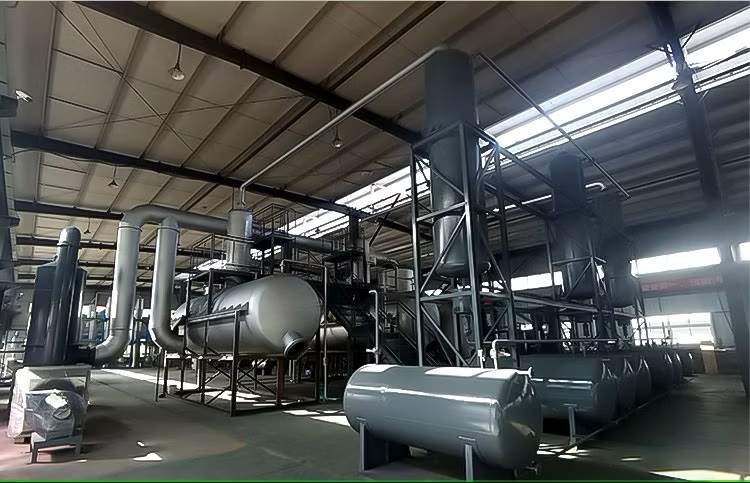
The efficiency of a waste oil refinery relies on choosing the appropriate thermal technology – in most cases, vacuum distillation or pyrolysis- to optimize the output of liquids and reduce carbon deposits.
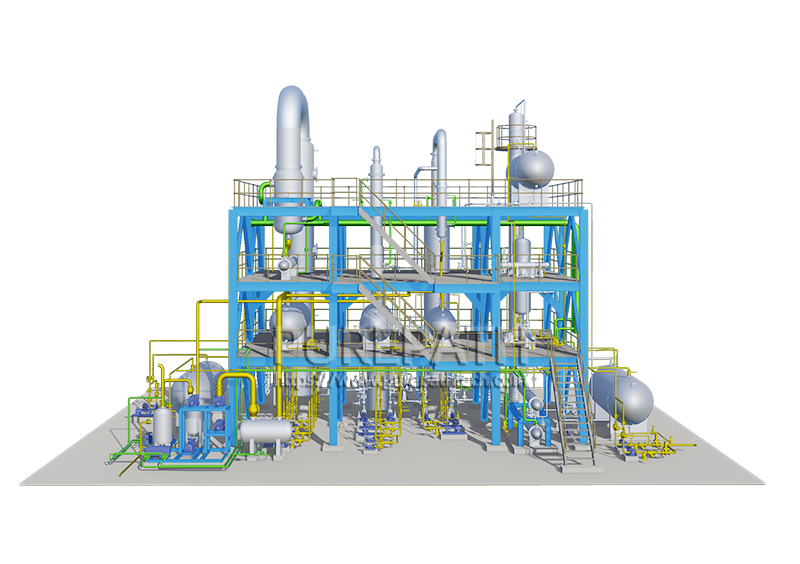
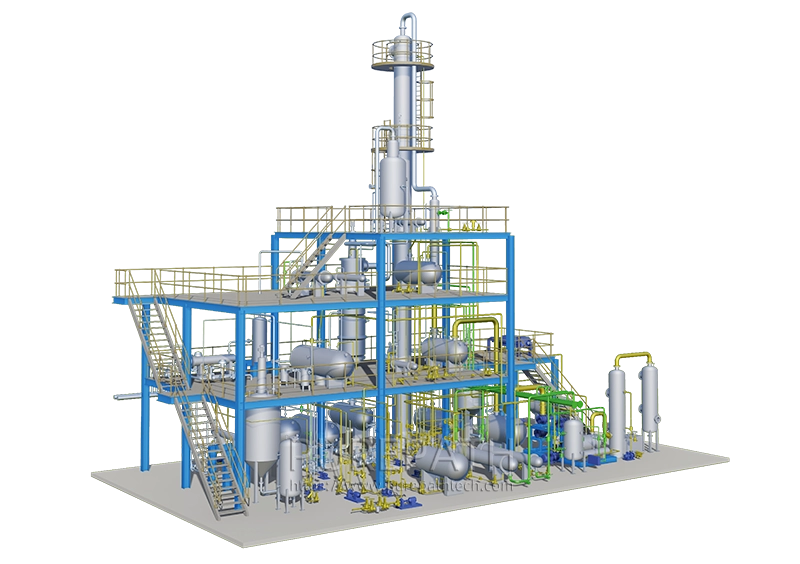
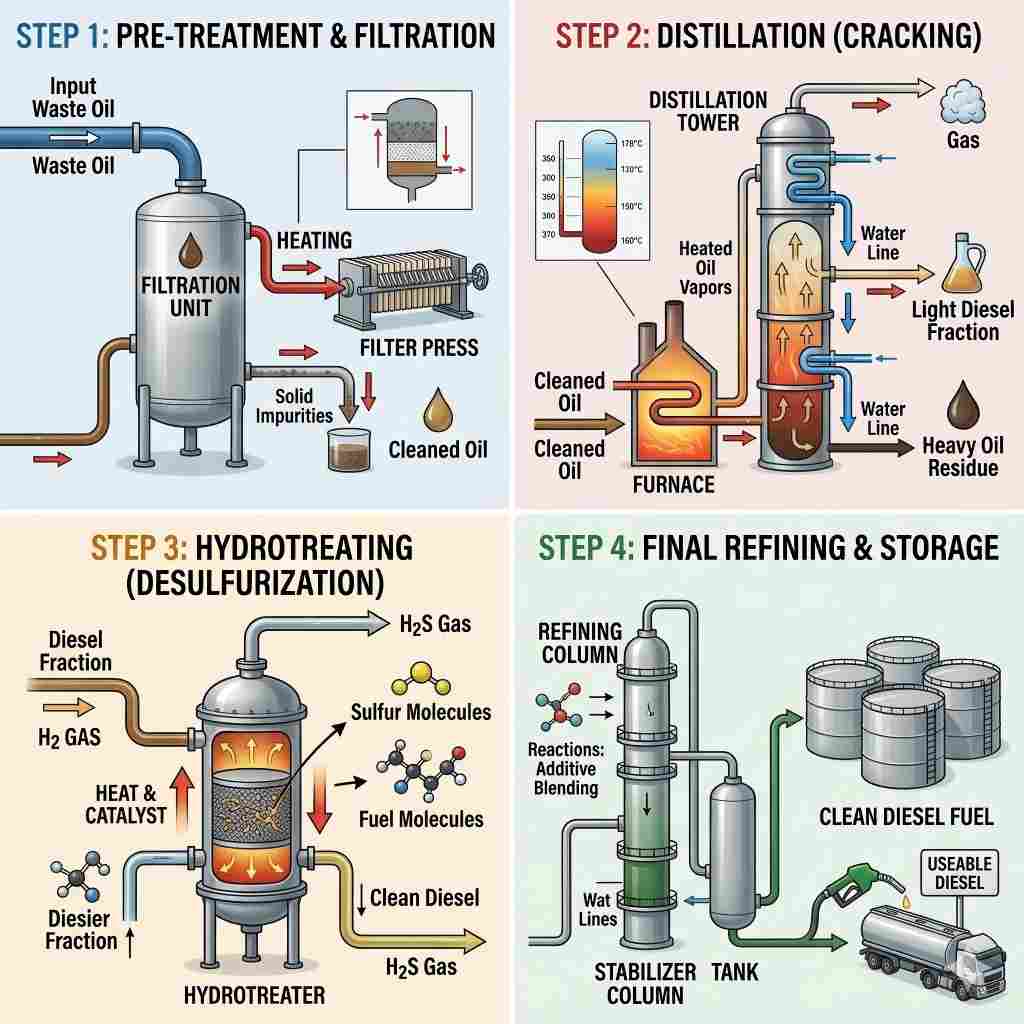
In the industry, we don’t just “cook” oil. We use two main heavy hitters: Pyrolysis and Vacuum Distillation. If you’re dealing with mixed plastics or tires, you go the pyrolysis route. However, for most of us in the waste oil recycling business—dealing with used crankcase oil, hydraulic fluids, and transformer oils—vacuum distillation is the gold standard. By lowering the pressure, we can boil off the diesel fractions at significantly lower temperatures. This prevents “cracking” the oil into useless gunk and keeps our fuel quality high.
The secret sauce, however, is the. If you feed raw, watery, grit-filled waste oil directly into your main reactor, you’re going to have a bad time. We spend a lot of energy just de-watering and de-sludging the feedstock. It’s boring, but it’s the difference between a machine that lasts ten years and one that blows a seal in six months.
What It Really Costs to Run a Waste Oil Refinery
Managing a waste oil to diesel plant involves balancing procurement of feedstocks, energy use, and chemical usage, with feedstock costs representing more than 60% of total expenses.
This is where most “get rich quick” business plans fall apart. You can buy the best waste oil refinery equipment in the world, but if your OpEx is higher than the price of a gallon of pump diesel, you’re just making expensive hobby juice.
1. The Raw Material Tug-of-War
Back in the day, people would pay you to take their waste oil. Those days are mostly gone. In 2026, waste oil is a global commodity. We’re competing with huge asphalt plants and marine fuel blenders. Typically, your feedstock is going to eat up about 65% of your total budget. If the price of crude oil spikes, the guys running the local garages start asking for more money for their jugs of used 5W-30. You’ve also got to factor in the “yield”—if I buy a ton of oil but 15% of it is water and metal shavings, my real cost per gallon just went up significantly.
2. Energy: The Silent Profit Killer
You have to heat that oil to around 350°C to 400°C. That takes a massive amount of energy. In our plant, we use a “closed-loop” system. During the distillation process, some gases (methane, ethane) won’t condense into liquid. Instead of venting them (which is illegal and risky), we scrub them and pipe them back into the furnace. This “non-condensable gas recycling” can shave 10-15% off your fuel bill. If you’re still relying solely on grid electricity or external natural gas, your margins are going to be razor-thin.
3. The Chemistry Bill (Catalysts & Refinement)
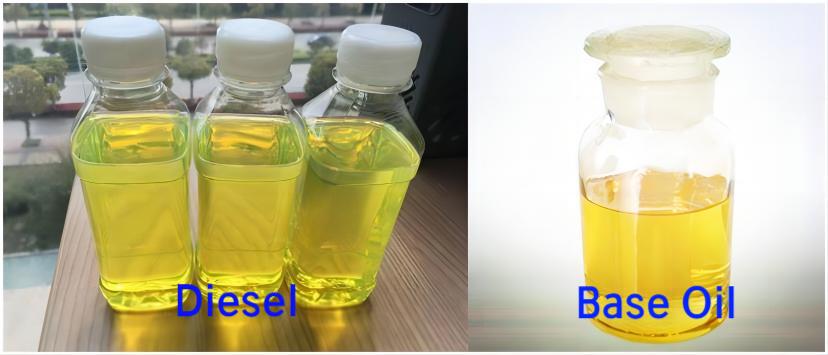
To get that “water-white” or pale yellow diesel color that customers trust, you need catalysts. We use synthetic zeolites, and they aren’t cheap. You also have the “polishing” phase—using silica gel or clay to pull out the last of the smell and the sulfur. If you skimp here, your diesel will smell like a burnt rubber factory, and no farmer or trucking fleet will let it near their engines.
The Economics of Conversion: A 2026 Cost Breakdown Per Ton
A successful business model for waste oil to diesel conversion hinges on a “per-ton” cost analysis that integrates fuel, labor, and residue disposal to ensure a positive ROI.
Let’s look at the “napkin math” we use at the refinery. These are estimated averages for a mid-sized operation based on current 2026 market trends:
| Expense Category | Cost (USD) | Why it matters |
| Raw Waste Oil | $310 | The “Entry Fee.” Varies by region and purity. |
| Fuel & Electricity | $55 | The “Engine.” High-efficiency burners are key here. |
| Catalysts & Chemicals | $25 | The “Polisher.” Ensures the oil meets ASTM standards. |
| Labor & Maintenance | $20 | The “Care.” Good engineers prevent expensive downtime. |
| Waste Residue Disposal | $12 | The “Clean up.” Dealing with leftover bitumen/sludge. |
| TOTAL OpEx | $422 | Your breakeven floor before equipment depreciation. |
Engineer’s Pro-Tip: If you can sell your “bottoms” (the heavy residue) as asphalt extender or roof flux, that $12 cost can actually become a $20 profit, flipping your waste into a secondary revenue stream.
Can Recycled Diesel Power Modern Engines?
Diesel derived from waste oil of high quality needs to be very carefully refined and also has to undergo steps of desulfurization to meet the specifications of ASTM D975 for high-speed grade engines.
I get asked this at bars all the time: “Will it kill my truck?” The answer is: Not if the waste oil refinery engineer knows their chemistry. We aim for ASTM D975 (the US standard for diesel). The three big hurdles we track daily are:
- Flash Point: If it’s too low, the engine knocks, and you risk fire hazards.
- Sulfur Content: In the case of the newer Tier 4 and Tier 5 engines, you must use S-15 or 15 ppm maximum (ultra-low sulfur diesels). Usually, it entails using a hydro-treater, which is a big capital cost. For older tractors or generators, you have more wiggle room.
- Cetane Number: This is essentially the “octane” of diesel. Most waste-oil-derived diesel hits a 45-52 cetane rating, which is actually better than some low-grade stuff you find at the gas station.
Environmental Compliance & Green Incentives
Environmental regulations are often seen as a cost burden, but they also present lucrative opportunities in the form of carbon credits and renewable energy subsidies.
You can’t just set up a waste oil to diesel plant in your backyard and hope for the best. The EPA (or your local equivalent) will be on you faster than a seagull on a French fry. Environmental compliance is a non-negotiable operating cost. You need scrubbers for the exhaust and a solid plan for “cradle-to-grave” waste tracking.
However, in 2026, this is also a massive opportunity. Many jurisdictions are offering Carbon Credits for every ton of waste oil diverted from improper disposal. Sometimes, the “green” subsidies are what turn a struggling plant into a cash cow. If you’re not tracking your carbon footprint, you’re literally leaving money on the table.
The Future of Waste Oil to Diesel
Look, the world isn’t running out of waste oil. As long as things have engines and gearboxes, we’re going to have black gold to recycle. If you focus on your waste oil to diesel conversion efficiency and keep a hawk-eye on your energy consumption, it’s a beautiful business. It’s dirty work, but cleaning up the planet while producing high-value fuel? That’s a win-win in my book.
FAQ: Industry Insights for Plant Operators
Q1: How much diesel do I actually get from a barrel of waste oil?
A1: In a professional setup, we usually see an 80% to 85% liquid yield for diesel. About 5-8% comes off as light gasoline/naphtha (which can be used to power the burners), and the rest is heavy residue (bitumen) or non-condensable gas. If someone tells you they get 95% diesel, they’re either lying or they’ve discovered new physics.
Q2: Can I run this diesel in a brand-new 2026 pickup truck?
A2: Provided that the refinery has a good desulfurization and polishing process, yes. Otherwise, most small-scale facilities will manufacture “Industrial Diesel” or “Heating Oil.” Remember this advice: Have your fuel tested by an independent laboratory before filling a $70,000 engine with it. If you have a generator, a marine engine, or an older tractor? They just love the product.
Q3: What’s the biggest risk to my profit margins?
A3: Feedstock volatility. If a major competitor moves into your town and starts outbidding you for the used oil from local mechanic shops, your OpEx will skyrocket. Secure your supply contracts before you buy your machinery. Stability in the supply chain is more important than the fancy buttons on your control panel.