
How to Dispose of Petroleum Waste? Methods & Best Practices
Written By: Mr.Ran
Senior Petrochemical & Waste Oil Recycling Engineer
Deeply involved in the design, manufacturing, and optimization of various waste oil recycling and petrochemical equipment, delivering practical and efficient solutions for clients worldwide.
The improper management of hazardous petroleum waste endangers the environment, and the selection of appropriate petroleum waste disposal methods turns into an operational challenge of high priority to modern industries. Regulatory bodies across the globe have a zero-tolerance policy against ecological degradation, pushing the companies to balance between strict regulatory compliance and financial viability.
While historical practices heavily favored destructive or containment-based options, modern industrial standards position used oil recycling as the premier sustainable pathway. Circular economy practices demonstrate that treating hazardous oil waste as a continuous asset rather than a liability yields the highest long-term return on investment (ROI).
This comprehensive article provides an in-depth review of the major petroleum waste treatment technologies, an unambiguous industrial decision matrix, and the technical best practices needed to convert complex waste streams into high-value, market-ready energy resources.
What is Petroleum Waste?
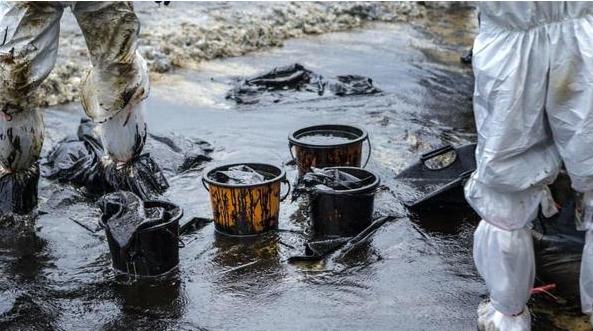
Petroleum waste comprises a complex mixture of hydrocarbon-based byproducts generated across upstream oilfield exploration, midstream transport, and downstream refining processes. Because these industrial waste streams inherently carry volatile organic compounds (VOCs), heavy metals, polycyclic aromatic hydrocarbons (PAHs), and toxic additives, they are classified as hazardous petroleum waste under international environmental protection acts.
| PETROLEUM WASTE INCLUDES • Used Engine & Motor Oils • Industrial Lubricants & Coolants • Hydraulic Fluids • Refinery Oil Sludge • Transformer Oils • Crude Storage Tank Bottoms • Oilfield Drilling Muds • Co-produced Water • Spent Oily Filters • Hydrocarbon-Contaminated Absorbents |
Managing this broad spectrum requires categorizing waste streams accurately by their material source, chemical characteristics, and potential hazard exposure levels.
| Waste Type | Typical Source | Hazard Level | Recommended Treatment |
| Used Oil | Automotive shops, manufacturing plants, fleet maintenance operations | Medium | Re-refining, high-yield advanced used lubricating oil recycling |
| Oil Sludge | Downstream petroleum refineries, petrochemical processing plants | High | Thermal separation, pyrolytic treatment, centrifugal recovery |
| Tank Bottoms | Crude oil and finished product bulk storage terminal facilities | High | Phase separation, solvent extraction, resource reclamation |
| Produced Water | Upstream oilfield extraction sites and active gas wells | Medium | Membrane filtration, advanced oxidation, deep well injection |
Why Proper Petroleum Waste Disposal Matters
Implementing standardized petroleum waste management frameworks protects industrial organizations from both devastating ecological liabilities and significant operational cost structures.
1. Mitigation of Severe Environmental Risks
- Soil Contamination: Heavy hydrocarbons alter soil porosity, kill essential microbial ecosystems, and render agricultural land sterile for decades.
- Groundwater Pollution: Water tables are highly vulnerable to migrating hydrocarbon plumes. Data shows that just one liter of improperly disposed used oil can contaminate up to one million liters of clean freshwater, creating long-term remediation liabilities.
- Air Emissions: Open burning or evaporating tank bottoms, releases toxic volatile organic compounds (VOCs), sulfur dioxide (SO2), and particulate matter into neighboring air sheds.
- Fire Hazards: Accumulating low-flashpoint oily residues presents persistent explosion risks within industrial facility boundaries.
2. Elimination of Critical Business and Legal Risks
- Regulatory Fines: Environmental agencies enforce substantial financial penalties and operational suspension orders for non-compliant waste handling.
- Cleanup Costs: Under environmental liability frameworks, waste generators remain legally responsible for the lifetime costs of site cleanup and remediation.
- Reputation Damage: Modern supply chains aggressively evaluate environmental, social, and governance (ESG) performance. Documented pollution incidents can permanently erode brand value and investor confidence.
- Lost Recoverable Oil: Viewing waste solely as refuse discards immense volumes of valuable energy molecules that could otherwise be recovered and resold.
Overview of Petroleum Waste Disposal Methods
Industrial operators must evaluate multiple technical variables when determining a baseline treatment strategy. The comprehensive comparison matrix below details the structural tradeoffs between primary industrial methods.
| Method | Resource Recovery | Environmental Impact | Operating Cost | Best Application |
| Recycling | High (5 Stars) | Low Impact | Medium | High-yield used oil recycling, industrial lubricants |
| Incineration | Medium (Heat Only) | Medium Impact | High | Non-recyclable toxic residues, highly hazardous sludges |
| Landfill | Low (Zero) | High Impact | Low | Stabilized solid waste matrices, treated inert filter cakes |
| Deep Well Injection | Low (Zero) | Medium Impact | High | Isolated hazardous liquid streams, high-salinity produced water |
| Bioremediation | Medium | Very Low Impact | Medium | Hydrocarbon-polluted land sites, large-scale open soil cleanup |
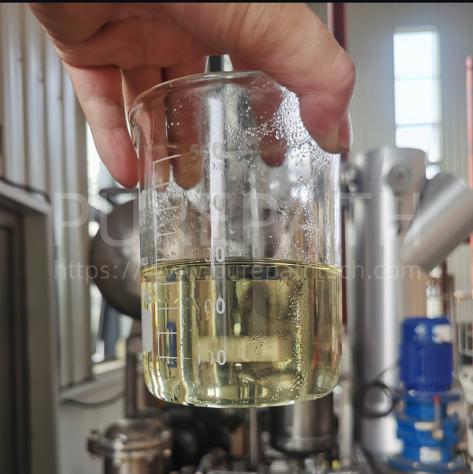
Method 1 — Used Oil Recycling (The Premier Sustainable Solution)
Industrial waste oil recycling stands out as the most economically viable and ecologically responsible choice for manageable hydrocarbon streams. Rather than destroying the underlying chemistry, advanced recycling technologies strip out contaminants to regenerate base commodities indefinitely.
[ Used Oil Collection ] ➔ [ Pretreatment ] ➔ [ Vacuum Distillation ] ➔ [ Thin Film Evaporation ] ➔ [ Hydrotreating ] ➔ [ Base Oil Recovery ]
The Technical Re-Refining Process Breakdown:
- 1. Collection & Dehydration: Raw waste oils are gathered, consolidated, and subjected to primary thermal dehydration to remove emulsified water and coarse particulate elements.
- 2. Pretreatment: Light fuels and volatile solvents are flashed off under low pressure to stabilize the core oil matrix.
- 3. High-Vacuum Distillation: The pretreated stream passes through a fractional vacuum distillation column, separating light industrial fractions from heavy lubricants without cracking the oil’s molecular structure.
- 4. Thin Film Evaporation (TFE): The bottoms are sent to a specialized thin film evaporator. This process creates a thin fluid layer across a heated surface, preventing thermal degradation while separating high-boiling base stocks from heavy asphalt fluxes.
- 5. Hydrotreating / Finishing: The distilled fractions undergo catalytic hydrotreating at elevated pressures to eliminate remaining sulfur, nitrogen, and unsaturated compounds, yielding high-grade base oils.
Recovered Commercial End-Products:
- Base Oil (Group I, II, III): Re-refined base stocks match the physical properties of virgin crude oils, serving as the foundation for blending high-performance automotive and industrial lubricants.
- Industrial Diesel & Fuel Oil: Lighter fractions are processed into high-cetane diesel fuels or commercial burner fuels.
- Asphalt Flux / Bitumen Extenders: Heavy distillation residues are blended directly into industrial paving materials and roofing sealants.
Key Environmental and Operational Advantages:
- Circular Economy Alignment: Keeps high-value hydrocarbons in a closed, productive economic loop indefinitely.
- Lower Carbon Footprint: Manufacturing lubricants from re-refined base oils requires up to 50–80% less energy compared to refining virgin crude oil stocks.
- Reduced Resource Consumption: Preserves global underground fossil reserves by optimizing existing above-ground oil assets.
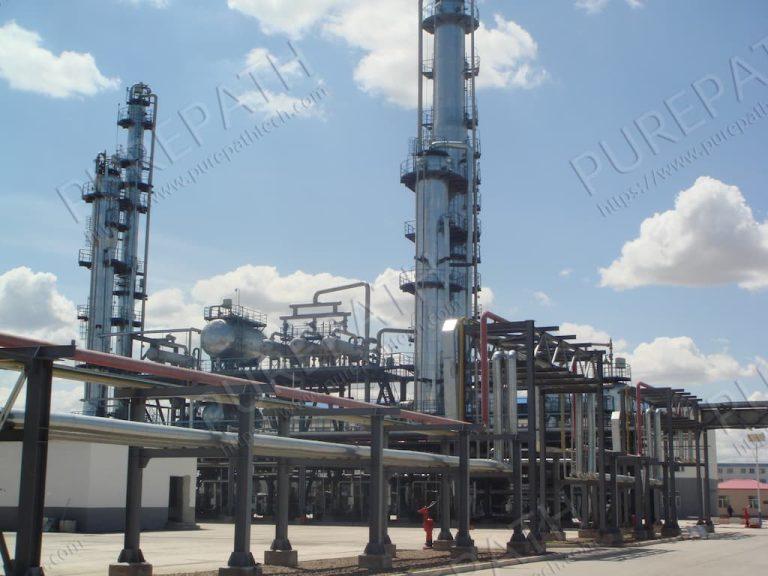
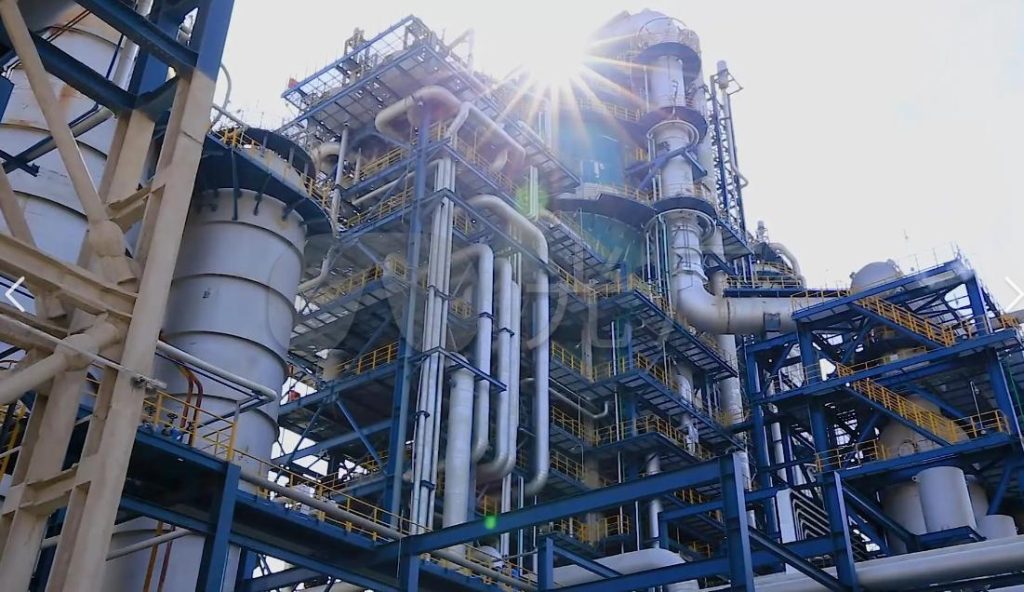
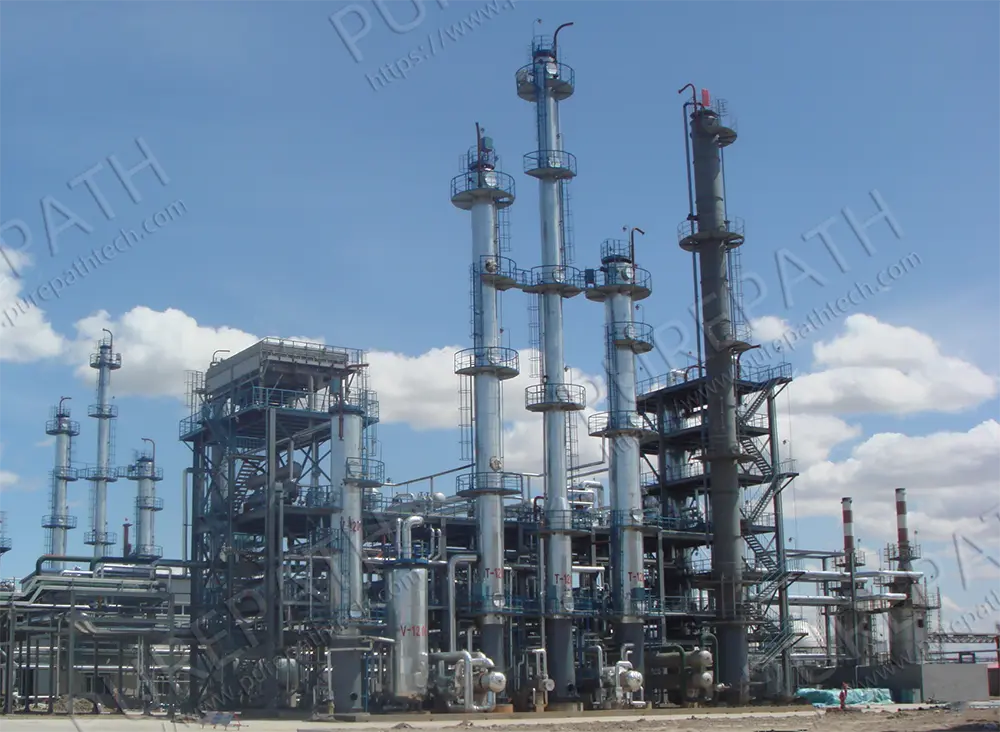
To maximize these benefits, industrial operations install specialized systems like the PurePath waste oil recycling plant, transforming standard operational liabilities into high-margin revenue generators.
Method 2 — Thermal Incineration
Thermal incineration destroys complex hazardous waste matrices by exposing them to controlled, ultra-high-temperature combustion (typically between 850°C and 1,200°C).
Advanced Emission Control Requirements:
Because burning chlorinated additives and heavy metals can form highly carcinogenic dioxins and furans, modern incinerators must deploy intensive scrubbers. These installations use electrostatic precipitators, selective catalytic reduction (SCR) units, and carbon injection systems to neutralize volatile acid gases and capture dangerous particulate matter before stack discharge.
Suitable for: Highly contaminated sludge, hazardous residues, and non-recyclable matrices.
Method 3 — Secure Landfill
Industrial landfilling serves as a containment strategy for specific solid petroleum residues. It is no longer acceptable to deposit raw, un-stabilized organic sludges directly into municipal or simple industrial landfills.
Crucial Pre-Conditioning Requirements (When is Landfill Acceptable?):
Land disposal is permitted only after the waste stream undergoes rigorous stabilization and solidification treatment:
• Stabilization: Mixing oily soils or filter cakes with chemical binders like Portland cement, fly ash, or lime to chemically lock heavy metals and organic compounds into an inert matrix.
• Solidification: Changing the physical state of liquid or semi-solid sludge into high-strength solid monoliths to eliminate free liquid migration.
• Leachate Assessment: Passing strict regulatory leaching tests (e.g., the Toxicity Characteristic Leaching Procedure, or TCLP) to guarantee that hazardous components will not leach into local ecosystems over long periods.
Method 4 — Deep Well Injection
Deep well injection places liquid waste streams deep underground within highly porous, isolated geological strata.
Technical Realities and Structural Limitations:
Liquid wastes are pumped into injection zones located thousands of feet below the lowest freshwater aquifers. These target zones must be bound by thick, structurally sound, impermeable confining rock layers to prevent upward fluid migration.
Due to strict geological requirements and potential risks of induced seismic activity or aquifer contamination, deep well injection is heavily regulated or restricted in many regions worldwide. Continuous wellhead pressure testing and groundwater monitoring networks are mandatory. It is not suitable for every country due to geological structural limitations.
Method 5 — Bioremediation
Bioremediation uses natural biological processes to clean up environments contaminated by petroleum hydrocarbons. This method relies on specific microorganisms—such as targeted bacteria, fungi, and indigenous microbes—that break down complex hydrocarbons into harmless water and carbon dioxide (CO2).
Primary Bioremediation Methodologies:
• Bioaugmentation: Introducing specialized, laboratory-cultured microbial strains into a spill zone to accelerate the breakdown of complex hydrocarbon chains.
• Biostimulation: Adding vital nutrients like nitrogen, phosphorus, and oxygen to an existing environment to boost the growth and metabolic activity of native oil-degrading bacteria.
• Land Farming: Spreading contaminated oily soils across thin, lined containment beds. The soil is mechanically tilled periodically to introduce oxygen, maximizing natural aerobic microbial activity.
• Composting: Mixing oil-polluted soils with organic bulking agents like straw, wood chips, and manure to build high-temperature, biologically active piles.
Operational Tradeoffs:
Bioremediation is highly cost-effective and minimally disruptive for cleaning up contaminated soil across wide areas. However, its use for high-volume industrial waste processing is limited because it requires long reaction times—often taking months or years—and struggles to process heavy metals or highly concentrated, toxic sludges.
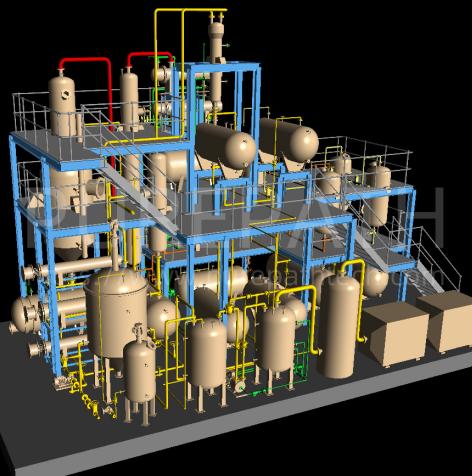
Emerging Petroleum Waste Recycling Technologies
To meet tightening environmental standards and optimize resource recovery, modern industrial facilities are upgrading from legacy disposal methods to advanced separation and molecular transformation systems.
- High-Vacuum Molecular Distillation: Operating under deep vacuum levels (below 1 Pa) significantly reduces the boiling point of long-chain hydrocarbons. This allows operators to distill high-boiling industrial oils without reaching temperatures that cause thermal cracking, maximizing the recovery of clean base stocks.
- Advanced Solvent Extraction: Valuable base oils and diesel fractions are separated from heavy refinery sludges and tank bottoms using highly selective organic solvent loops. The clean oil is recovered and the residual solid cake is safely removed for disposal.
- Catalytic Hydrotreating & Hydrofinishing: Distilled waste oil fractions are treated with high-pressure hydrogen gas in the presence of noble metal catalysts in an effort to remove sulphur, nitrogen, chlorine and organic acids. This process saturates unstable double bonds and thereby upgrades low-grade waste oils into high-value Group II base oils with exceptional oxidation stability and colour profiles.
How to Choose the Right Petroleum Waste Disposal Method
The physical state, chemical composition and economic potential of the waste stream determine a structured approach for the proper disposal pathway selection. The industrial decision matrix below is a tool for environmental compliance managers to identify the ideal treatment technology.
| Specific Waste Situation | Primary Physical State | Key Target Contaminants | Recommended Industrial Solution |
| Used Lubricating Oil | Liquid | Metals, carbon soot, fuel dilutions, degraded additives | Advanced Re-Refining & Vacuum Distillation |
| Refinery Tank Bottom Sludge | Semi-Solid Sludge | Heavy waxes, scale, sand, heavy metal precipitates | Solvent Extraction / Centrifugal Oil Recovery |
| Highly Toxic Organic Residues | Liquid / Solid Sludge | PCBs, heavily chlorinated solvents, pesticides | High-Temperature Thermal Incineration |
| High-Salinity Produced Water | Liquid | Dissolved sodium chloride, dispersed hydrocarbons | Advanced Membrane Filtration / Well Injection |
| Hydrocarbon-Polluted Soils | Granular Solid | Weathered crude oil fractions, diesel fuel spills | Biostimulation / Mechanical Land Farming |
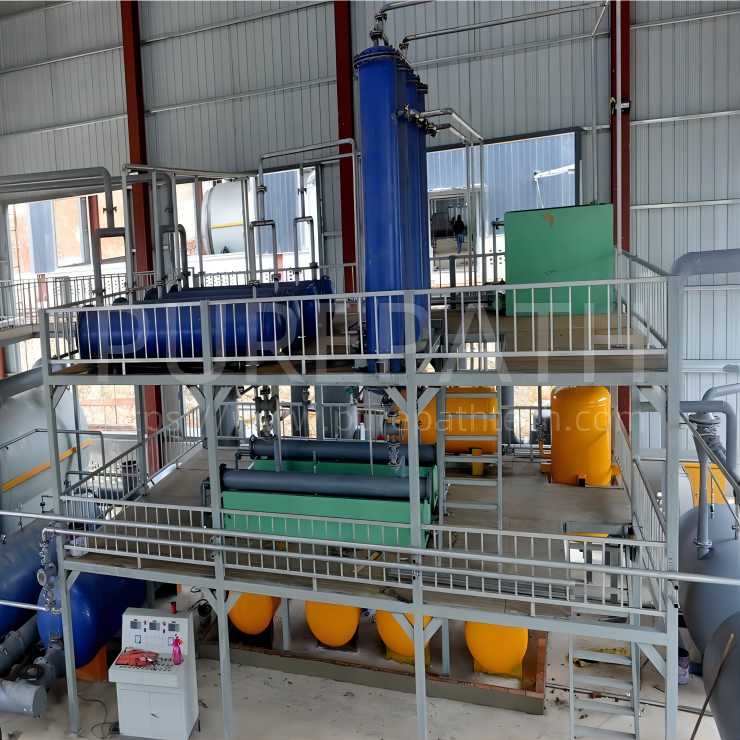
Best Practices for Petroleum Waste Management
Adhering to strict, structured operational workflows is essential for maintaining compliance with international hazardous waste handling protocols.
1. Proactive Waste Minimization: Implementing predictive maintenance schedules prevents equipment wear, extending the working life of industrial lubricants, and reduces total waste oil volumes. Establish oil analysis programs to change fluids based on real-time degradation metrics, and consider high-efficiency synthetic lubricants to extend drain intervals.
2. Strict On-Site Segregation and Safe Storage: Use color-coded, clearly labeled containers to prevent dangerous cross-contamination. Install robust secondary containment systems capable of holding at least 110% of the largest vessel’s capacity to completely eliminate soil migration risks from sudden structural leaks.
3. Comprehensive Documentation & Compliance: Maintain clear waste logs, chain-of-custody transportation manifests, and final disposal/recycling certificates to protect the enterprise from permanent lifetime legal liabilities under modern environmental accountability acts.
4. Certified Recycling Partners: Partner exclusively with licensed industrial facilities that demonstrate high-efficiency resource recovery methods over standard destructive burning.
Why Recycling Is Becoming the Preferred Petroleum Waste Solution
Modern industrial organizations are shifting away from destructive disposal methods like incineration and landfilling. Driven by strict global regulations and corporate environmental initiatives, industry leaders now view petroleum waste recycling as a key component of sustainable operations.
| ADVANTAGES OF MODERN RE-REFINING • Decarbonization: Achieves up to 80% lower lifecycle CO2 emissions compared to virgin refining. • Corporate Value: Enhances ESG ratings to attract green capital and modern global contracts. • Financial Returns: Lowers recurring waste fees and generates high-value internal fuels or base stock oil. |