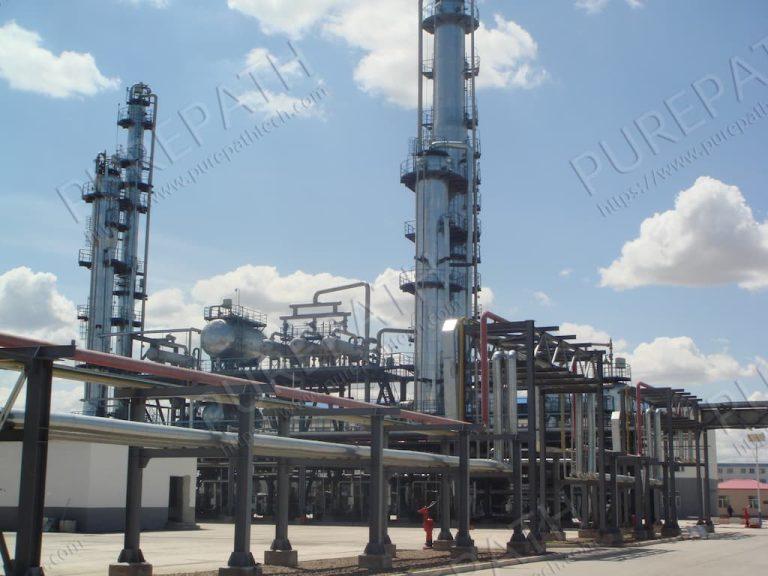

Key Process Equipment in Petrochemical Refineries: An Engineer’s Procurement Guide
Written By: Mr.Ran
Senior Petrochemical & Waste Oil Recycling Engineer
Deeply involved in the design, manufacturing, and optimization of various waste oil recycling and petrochemical equipment, delivering practical and efficient solutions for clients worldwide.
The construction and enlargement of a petrochemical refinery is a capital-intensive investment project. To the project owner, EPC contractor, and procurement managers involved, choosing process equipment is no mean feat and is not only about functional requirements but also determines throughputs, thermal efficiency, OPEX, and compliance with safety regulations.
Although a modern refinery consists of thousands of equipment components, its backbone consists of specialized heavy equipment engineered to handle high temperatures, pressure, and corrosion resistance.
As an international turnkey EPC solutions provider, PurePath has engineered this process equipment guide to highlight key process equipment found in petrochemical refineries, strictly from a procurement and technical standpoint.
Mass Transfer and Separation Equipment
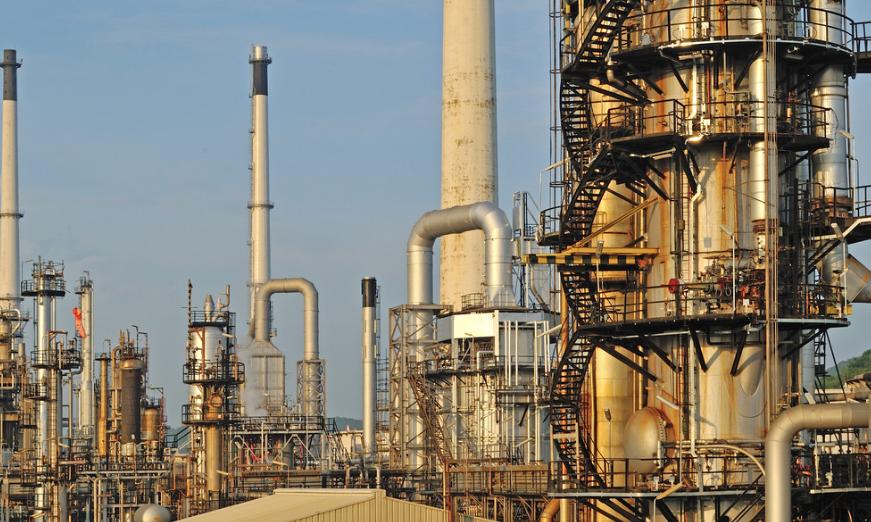
The separation process is one of the primary operations in refineries. The effectiveness of mass transfer equipment impacts the purity and rate of production for final products.
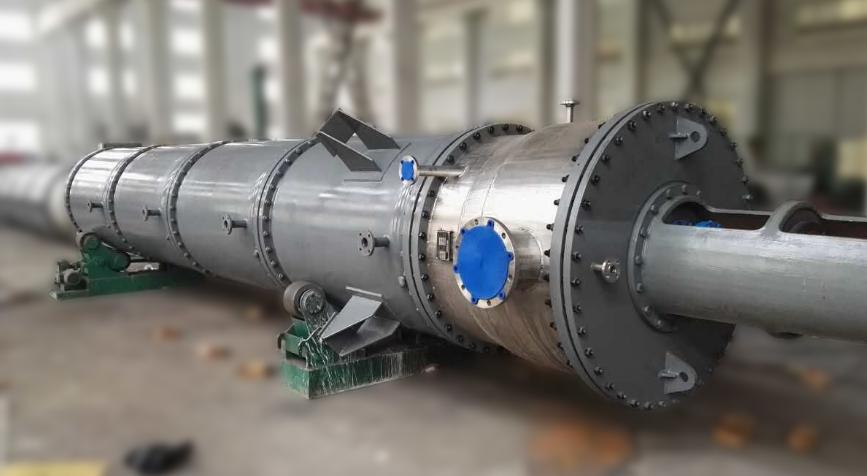
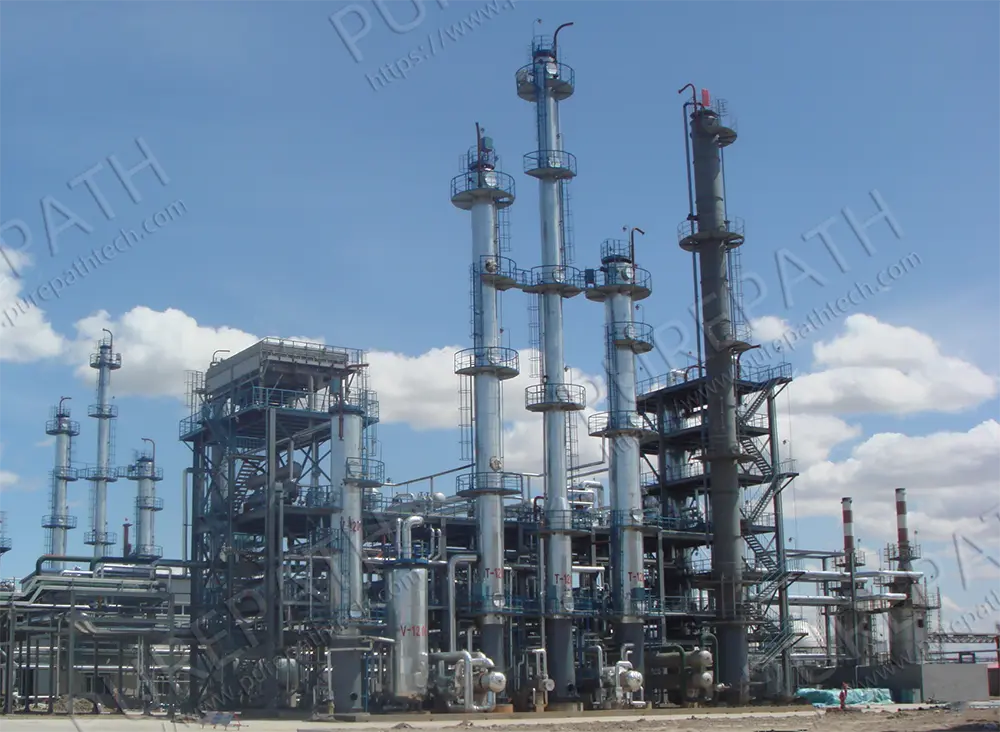
- Crude and Vacuum Distillation Columns (CDU/VDU): A distillation column is probably the most famous device in an oil refinery. By means of differences in boiling points of crude oil components, the column separates raw feedstocks into various fractions such as naphtha, kerosene, diesel, and other heavy products. As heavy fractions decompose at elevated temperatures, VDU devices reduce the atmospheric pressure inside the column to ensure effective extraction at optimal temperatures and without equipment coking.
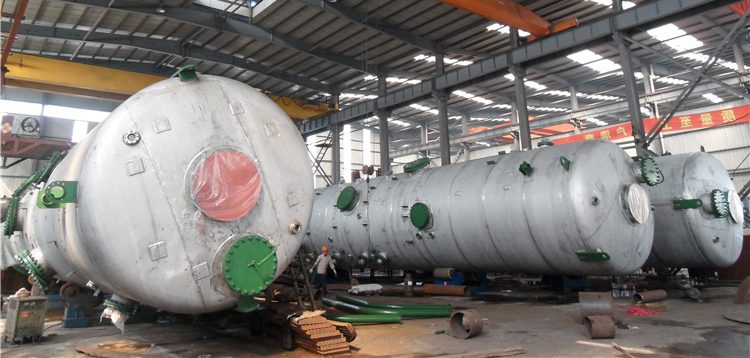
- Advanced Column Internals: The actual separation takes place inside the column with the use of internal packing. PurePath employs state-of-the-art packed columns and distillation trays of various types, including valve and sieve plates. Internals increase the vapor-liquid interface area, ensure pressure drop prevention, minimal energy usage, and water-white oil production.
High Pressure Process Reactors & Pressure Vessels
Process reactors are at the center of chemical conversion, wherein heavy hydrocarbons are subjected to cracking, reforming, or catalytic reactions using high pressure and high temperature operations.
- Hydrotreating & Hydrocracking Reactors: Using a high-pressure hydrogen atmosphere and temperatures above 400°C, such large pressure vessels remove sulfur, nitrogen, and heavy metals from fuel streams.
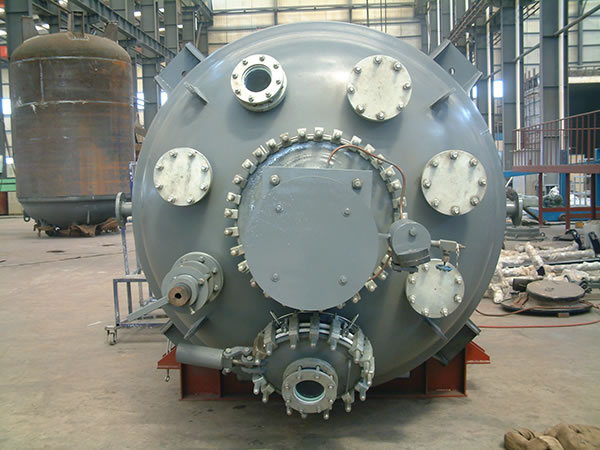
- Procurement and Safety Requirements (ASME Code Section VIII): As these vessels process volatile chemicals that can result in hazards, adherence to such safety standards becomes inevitable. Industrial-size reactors should be designed according to ASME Code Section VIII Divisions 1 and 2. Material specifications are essential to ensure that there will be no occurrence of High Temperature Hydrogen Attack (HTHA) and acidic corrosion.
Thermal Efficiency and Heat Transfer Systems
The refinery process is extremely energy-intensive. Efficient thermal performance can significantly influence both ROI and compliance with environmental regulations.
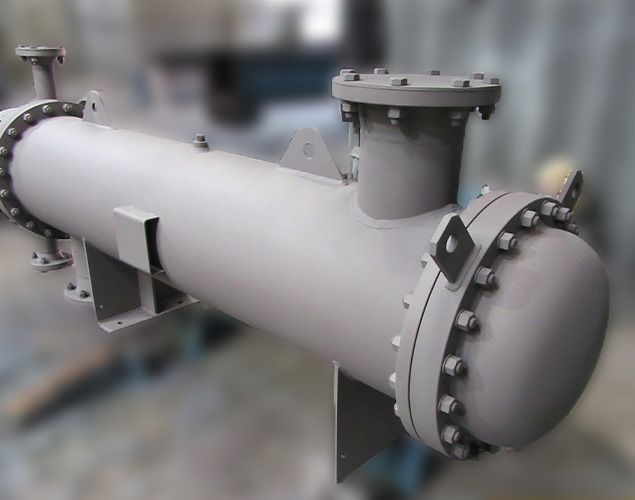
- Shell & Tube Heat Exchangers: Heat from hot streams is extracted and transferred into cold feedstocks. This type of equipment complies with exacting TEMA standards for optimal performance within highly fouling crude oil fluid applications.
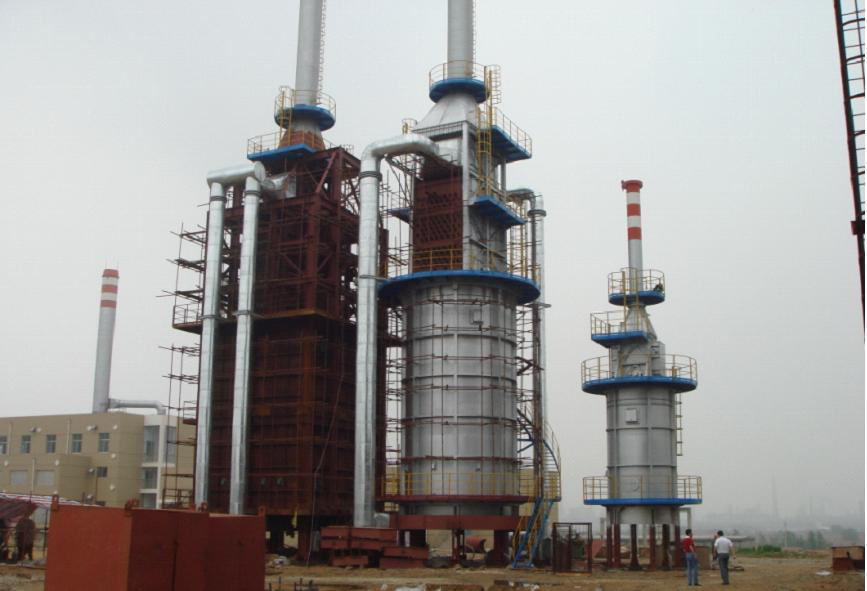
- Fired Heaters (Process Furnaces): Before processing through the CDU/VDU towers, the feedstock is heated up to required temperatures using a fired heater furnace. The state-of-the-art furnaces designed by PurePath incorporate waste heat recovery systems (economizers), allowing efficient combustion air heating and reducing fuel consumption and CO2 emissions.
Modular Refining Skids: The Modern Approach
Historically, oil refineries have been constructed in a stick-built fashion, which has caused major project delays, labor inefficiencies, and poor quality management, primarily due to uncontrollable field factors.
In today’s world, the best EPC suppliers opt for Modular Process Skids. The key components of oil refining facilities such as vacuum distillation, catalytic cracking, and desulfurization systems are completely engineered, manufactured, piped, wired, and tested in PurePath’s highly controlled factory setting.
A complete set is packed in a compact modular “skid,” which is transported across the world. This system can decrease field construction by up to 50%, minimize local safety issues, ensure high-quality manufacturing processes, and speed up the project implementation.
PurePath Core Equipment Manufacturing Standards
For professional engineering procurement, the following matrix outlines the non-standard equipment manufactured and delivered within a turnkey PurePath refining project:
| Equipment Category | Primary Metallurgy Selection | Engineering & Quality Codes | Industrial Application |
| Fractionation Towers | Carbon Steel / SS316L Clad | ASME Sec VIII, CE-PED | Vacuum Distillation, Dehydration |
| Catalytic Reactors | Chrome-Moly Alloys / Duplex SS | ASME Sec VIII Div 2 | Hydrotreating, Catalytic Cracking |
| Shell-and-Tube Exchangers | High-Grade Stainless Steel / CS | TEMA R Class, ASME | Preheating, Condensation, Cooling |
| Column Internals | SS304 / SS316L / Special Alloys | Proprietary Low-DP Design | High-Purity Mass Transfer |
| Modular Process Skids | Multi-alloy Integrated Skid | AWS D1.1, IEC, ATEX | Turnkey Turnkey Refinery Plant Block |
Note: Custom material selection and alloy cladding are tailored based on the specific acid value (TAN) and sulfur content of your local feedstock.
For the successful implementation of the refinery, an expert and single-source EPC company is needed.
With the capability to provide solutions to industries across the globe, PurePath is the one-stop solution that provides totally optimized industrial refining plants from feedstock characterization, FEED, to factory fabrication, automation, and site commissioning around the world. With a specialty in designing rugged and robust process skids based on strict ASME and HAZOP standards, PurePath ensures fast return on investment and factory-level quality assurance.
Ready to optimize your downstream infrastructure? Contact the PurePath Team to submit your project specifications, request an equipment quotation, or consult on modular plant configurations.