
How Hydrotreating Upgrades Recycled Oil to API Group III Standards in 2026?
Written By: Mr.Ran
Senior Petrochemical & Waste Oil Recycling Engineer
Deeply involved in the design, manufacturing, and optimization of various waste oil recycling and petrochemical equipment, delivering practical and efficient solutions for clients worldwide.
In 2026, the global lubricant industry has reached a tipping point. The confluence of the “Hydrogen Economy” and decarbonization mandates has dramatically changed the ROI of re-refining waste oil. Vacuum distillation is no longer the finish line, but rather the midpoint.
For the refinery operator in 2026, the strategic utilization of the hydrotreating technology is the only viable solution to transform low-margin recycled oil feeds into high-tier API Group III base oils with premium global market price realizations.
The 2026 Market Shift toward High-Performance Base Oils

The first quarter of 2026 has witnessed a structural deficit in high VI base oils. Although the “Hormuz Strait Disruptions” have driven Brent crude prices up to $100 per barrel, demand for Group III oils has increased exponentially owing to the organic growth in the use of ultra-low viscosity engine oils (0W-8 and 0W-12) in the EV Hybrid and High Efficiency ICE segments.
Traditionally used recycled oils, languishing at the bottom of the barrel as ‘basic’ Group I and basic Group II oils, are experiencing a loss of market share. New customers in Europe and North America require ‘Circular Base Oils’ with specs similar to virgin materials. The ‘Hydrogen Dividend‘ of 2026, resulting from the massive development of ‘green hydrogen clusters,’ has reduced H₂ (Hydrogen) costs by nearly 25% compared to 2024.
It is no longer an option, but an imperative, for solvent refining to be replaced by hydroprocessing, given the growing price differential between ‘recycled fuel’ and ‘premium lubricant feedstock.’
Technical Advantages of the Hydrotreating Process
Although physical impurities such as carbon soot and heavy metals are successfully eliminated by the vacuum distillation method, the molecular instability of the oil remains unchanged. Waste motor oils are characterized by excessive content of unsaturated hydrocarbons and aromatic compounds, which result in quick oxidation and formation of sludge.
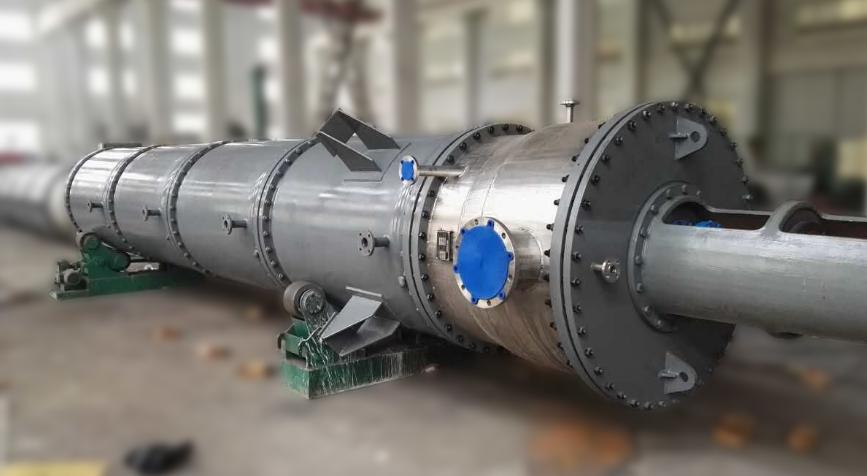
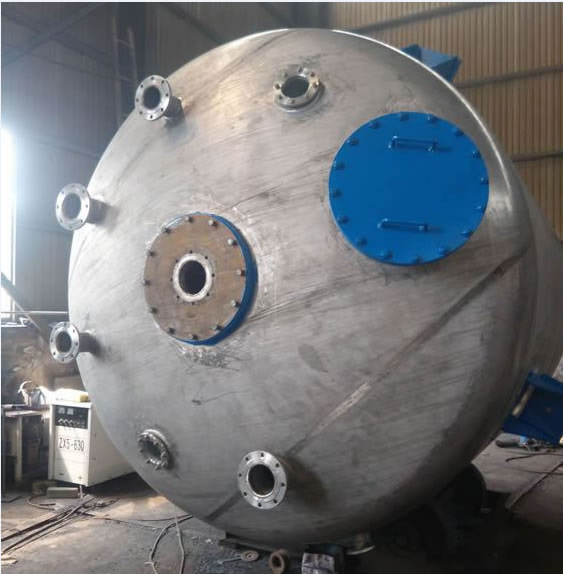
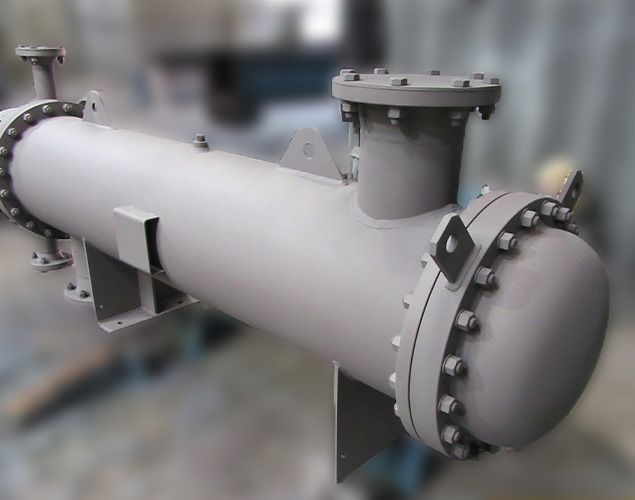
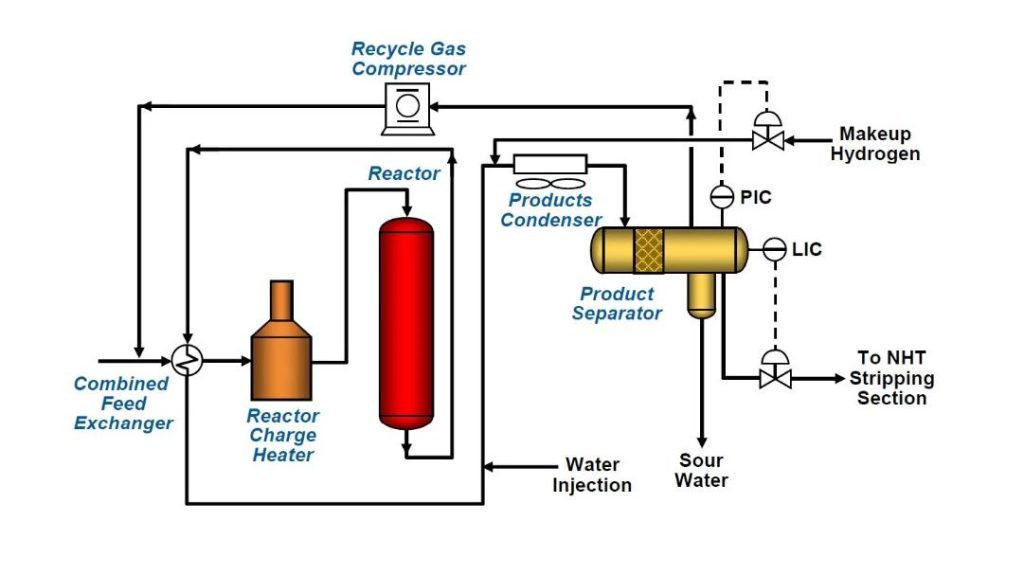
The Hydrotreating (HT) process uses high-pressure catalytic reactors (operating pressures are in the range of 150-200 bar) for chemical reconstruction of the waste motor oils. In a PurePath Hydrotreating Plant, the waste motor oils undergo three major transformations:
- Aromatic Saturation: Hydrogen atoms are added to the benzene rings, converting unstable aromatics into stable naphthenes and paraffins.
- Heteroatom Stripping: The catalyst is used to cleave Carbon-Sulfur and Carbon-Nitrogen bonds. Sulfur is converted into H2S gas, while Nitrogen is converted into NH3 gas, both being stripped out.
- Color & Stability Mastery: While clay polishing simply hides impurities, hydrotreating actually removes the color-causing chromophores that create dark color and unpleasant odors. The product is water-white with oxidation stability greater than 2,500 minutes in standard TOST (Turbine Oil Stability Test) evaluations.
Converting Group II Feedstock into Premium Group III Assets
The financial rationale for investing in a hydrofinishing unit is based on the “Value Doubling” principle. In the 2026 fiscal scenario, the value of a conventional solvent-refined Group II oil will be at a baseline, and oils from the API Group III category, with a Viscosity Index > 120 and Saturates > 99%, will be trading at 1.8x to 2.2x that baseline.
| Parameter | Solvent-Refined (Group I/II) | PurePath Hydrotreated (Group III) |
| Sulfur Content | 100 – 300 ppm | < 10 ppm |
| Saturates % | 90% – 94% | > 99.5% |
| Viscosity Index (VI) | 95 – 105 | 125 – 145 |
| Noack Volatility | 12% – 15% | < 8% |
By achieving these specs, the refinery owner is no longer selling “recycled oil” and is instead selling “Group III Synthetic Technology Feedstock.”
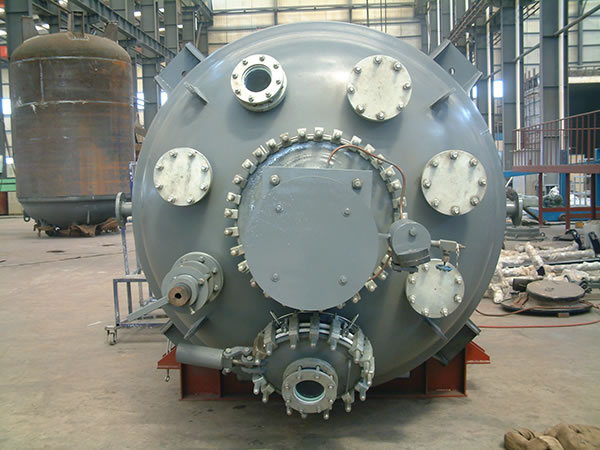
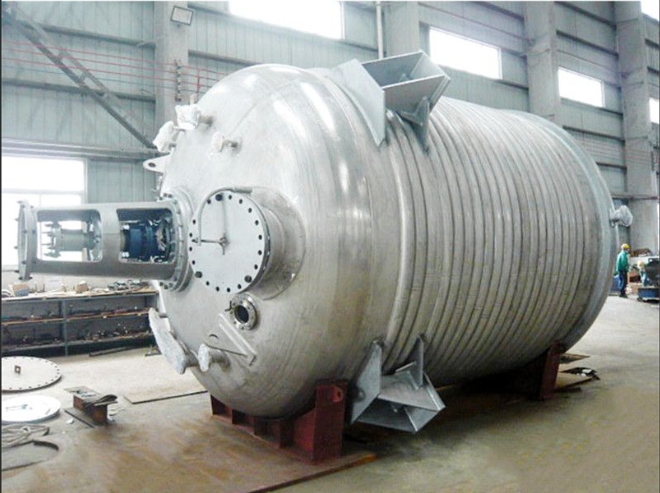
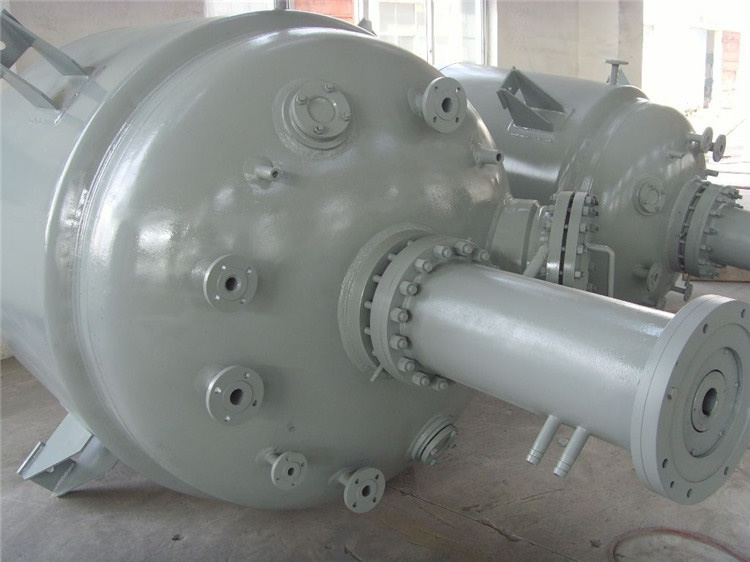
PurePath’s proprietary reactor technology maximizes the hydrogen-to-oil ratio with minimal gas waste. In PurePath’s 2026 versions, there is advanced heat integration, where the exothermic heat of the reaction is utilized to heat the feed prior to the reaction, reducing overall energy consumption by 15-20%.
Strategic Compliance with 2026 ESG and Carbon Mandates
Global trade in 2026 is subject to the Carbon Border Adjustment Mechanism (CBAM) and the revised EU Circular Economy Act. The “carbon footprint” of a lubricant has become an additional item on the invoice for exporters. It has been calculated that production of Group III base stocks from waste materials via the hydrotreating process generates 30% less CO₂ than production from virgin crude oil.
Moreover, the recent rise in the Sustainable Aviation Fuel (SAF) mandate in 2026 has created another market segment. The skill set for hydrotreating, as applied to the production of base oils, is directly applicable to the pre-treatment of the Used Cooking Oil (UCO) and other bio-based feedstocks for the production of HEFA-based SAF.
Thus, the investment in the PurePath hydroprocessing unit would enable the refinery to switch from the high-end lubricants to the booming bio-fuel industry, providing two revenue streams against the volatility in the future energy landscape.
PurePath EPC Solutions for Advanced Oil Regeneration
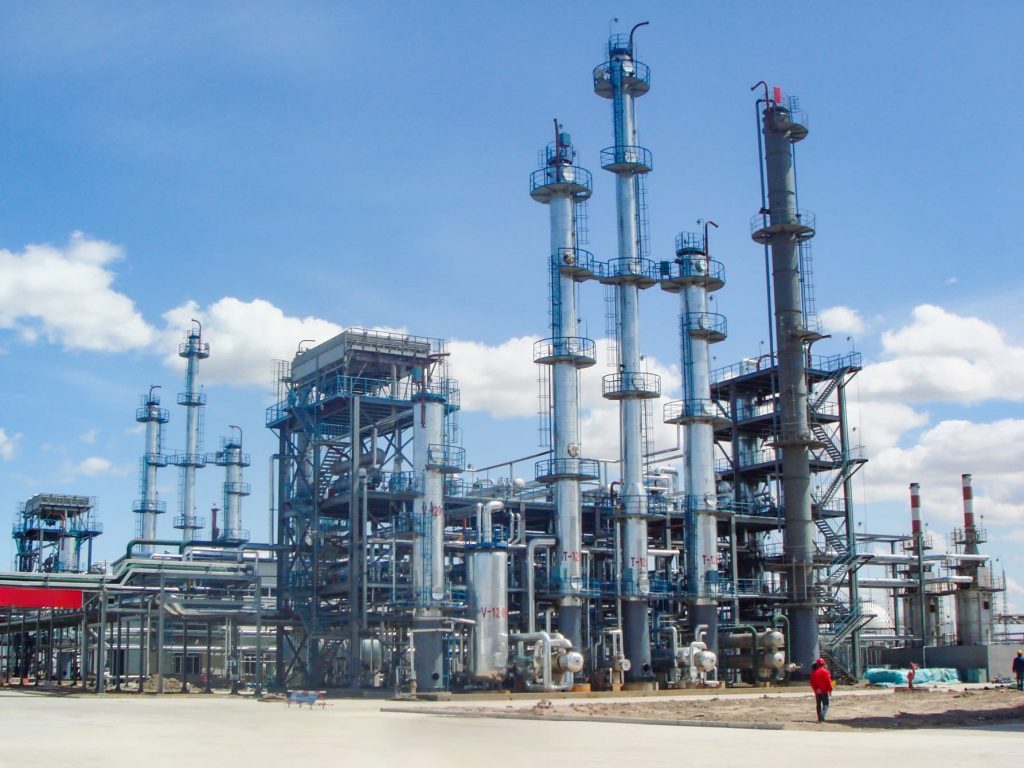
Success in 2026 is not just about buying equipment; it’s about finding a turnkey engineering company that understands high-pressure system integration. PurePath Chemical Engineering Technology Co., Limited, a leading manufacturer and EPC contractor based in Chongqing, has an 8,000+ sqm precision workshop for manufacturing ASME-stamped pressure vessels, reactors, and high-vacuum towers.
Our EPC (Engineering, Procurement, and Construction) methodology ensures that your transition into the world of Hydrotreating is as seamless as possible:
- Custom Process Design: We work with you to select the appropriate catalyst and pressure for the reactors, depending on the waste oil type.
- Modular Skid Construction: We offer pre-assembled, pre-tested modules for the Hydrotreating system, reducing on-site construction time.
- Hydrogen Recovery: Our Hydrotreating systems are integrated with the latest in membrane or PSA (Pressure Swing Adsorption) technology for the recovery of unused hydrogen, reducing OPEX.
In the reality of March 2026, hydrotreating is the definitive “buy-in” for any serious player in the oil regeneration business. It is the only technology that spans the range from environmental compliance to extreme profitability. PurePath remains committed to providing the technical backbone for this transition, converting industrial waste into the high-performance fluids of the modern world.