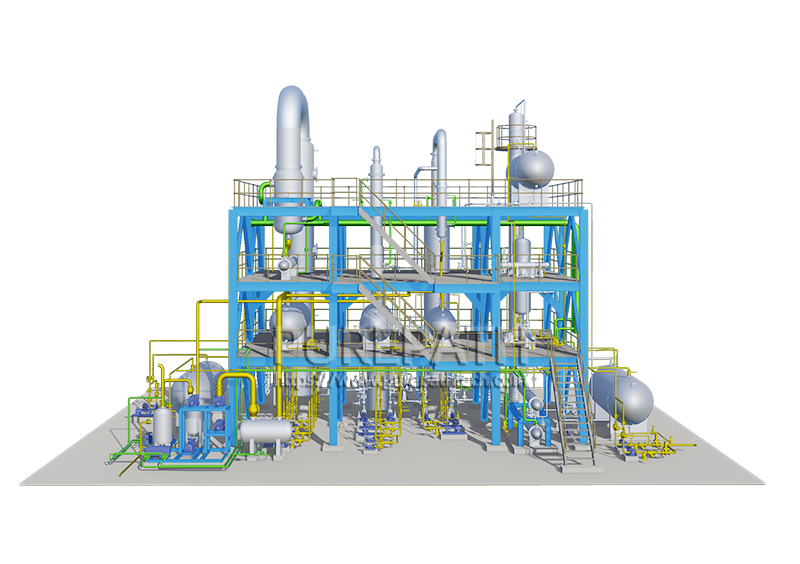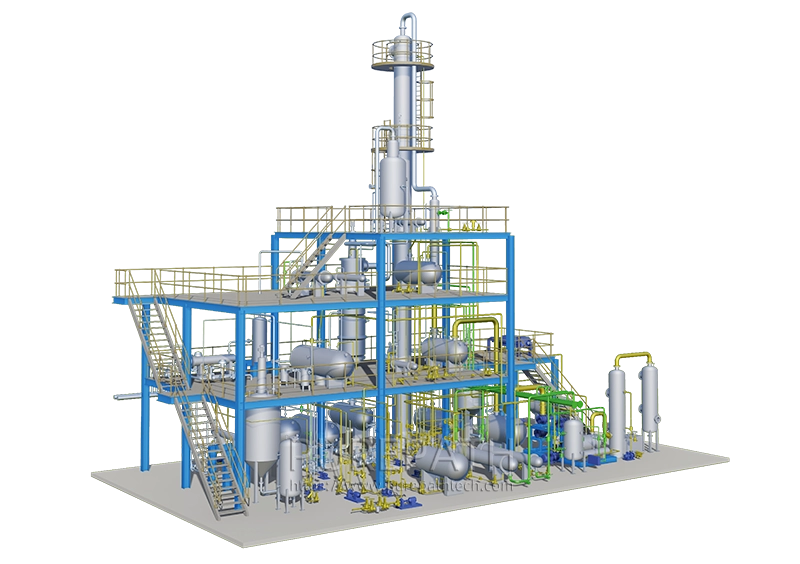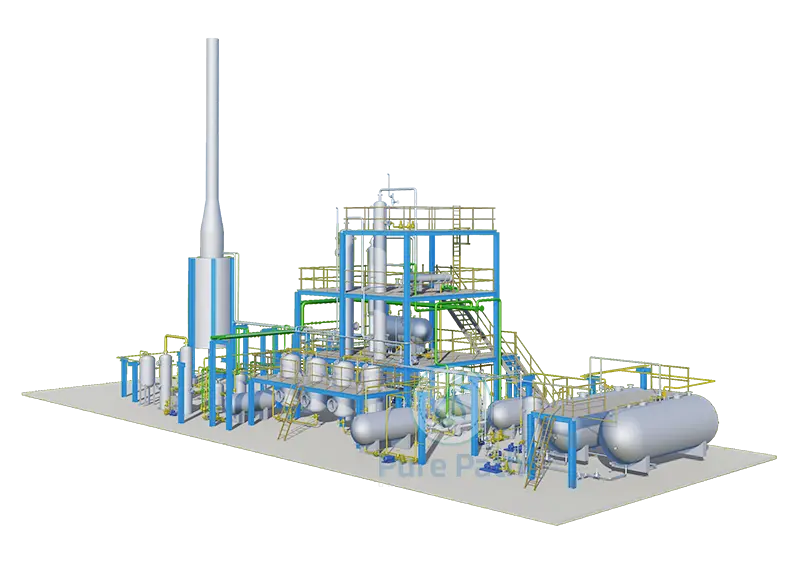

How to Reduce Operating Costs in a Waste Oil Recycling Plant?
Written By: Mr.Ran
Senior Petrochemical & Waste Oil Recycling Engineer
Deeply involved in the design, manufacturing, and optimization of various waste oil recycling and petrochemical equipment, delivering practical and efficient solutions for clients worldwide.
Running a waste oil recycling plant not only means maintaining a lean headcount and low costs of supplies, but also effective process management, material handling, as well as the most efficient use of energy available, to ensure the operations are well managed to prevent the waste of high production capacities in the name of low margins.
Reducing operational costs isn’t about cutting corners; it’s actually about optimizing those precise points in the company where waste and inefficiency tend to accumulate. So, how do we solve this, then?
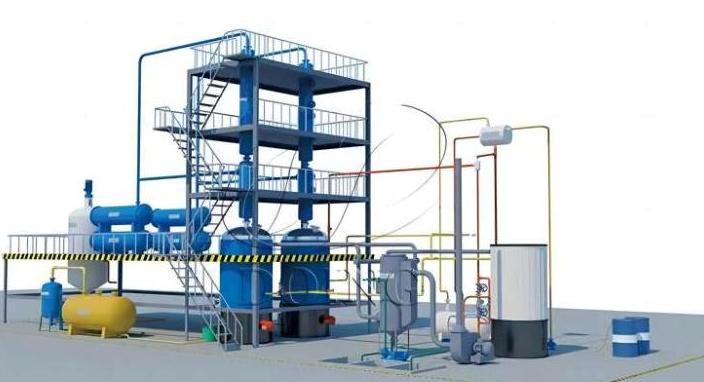
Optimize Feedstock Management in Your Waste Oil Recycling Plant
Feedstock is the largest contributor to operating costs in a waste oil recycling project. The use of waste oil that contains either inconsistent quality or substandard quality results in increased energy requirements and maintenance needs and decreases operational efficiency.
The presence of a stable feedstock supply helps to maintain constant temperature and process conditions throughout the entire operation. The presence of high water content sludge and metallic contaminants requires additional heating, which leads to increased equipment damage. Plants that standardize feedstock quality achieve lower energy use and more predictable diesel output.
Improve Pre-Treatment Efficiency to Cut Costs
The pre-treatment process is very useful for cost control because it helps manage the energy consumption of the waste oil recycling facilities and extend the lifespan of the equipment.
The objective of pre-treatment is to remove water, solid waste and heavy pollutants before the thermal conversion process begins. This process requires the operators to follow the pre-defined steps, which mainly consist of three operations:
- Water separation to reduce downstream heating demand
- Filtration or settling to remove particles that cause wear
- Controlled pre-heating to maintain stable process temperatures
Optimized pre-treatment can reduce energy peaks, minimize unplanned downtime as much as possible, and extend the service life of pumps, heaters and pipelines – all of which can affect operating costs.
Energy Optimization in Thermal Conversion
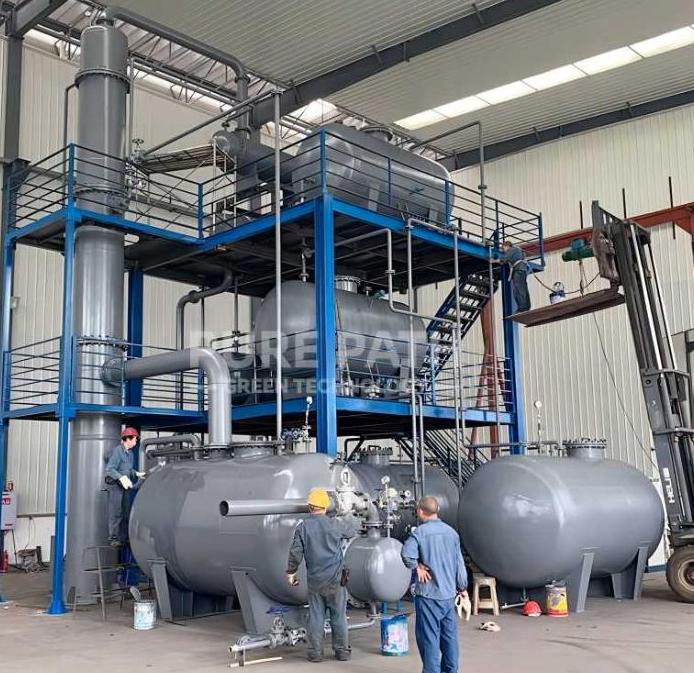
The waste oil recycling system requires energy as its most costly operational expense. The process of optimizing thermal conversion results in decreased recycling oil costs for each ton processed.
The continuous systems that use automated temperature control need less fuel compared to batch systems, which must heat their materials and then cool them down. The combination of proper insulation with heat recovery loops and smart monitoring systems creates additional energy savings. Efficient energy management systems safeguard equipment from overheating, which results in decreased repair and replacement expenses.
Streamline Separation and Product Handling for Efficiency
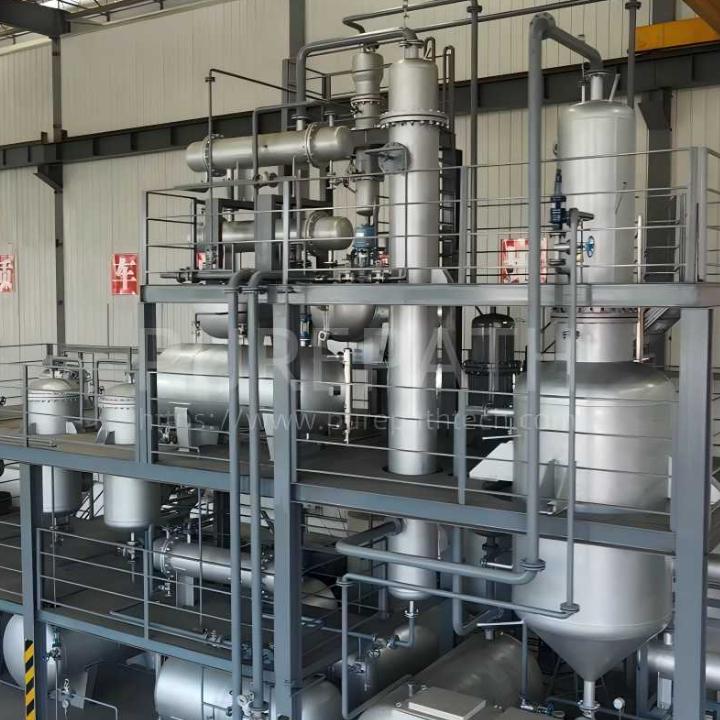
The fraction separation stage in the waste oil recycling plant directly affects operating costs and the quality of diesel. Poor fraction control or repeated processing will increase losses of energy, labor and materials.
Here are some examples of factories adopting a structured approach:
- Automatic liquid level control of the fractionation tank
- Reduce the number of intermediate conveyances to lower the pumping energy consumption.
- Monitor the viscosity and temperature to prevent repeated processing
| Stage | Inefficient Handling | Optimized Handling |
| Fraction separation | Reprocessing, high energy | Stable output, less labor |
| Pumping & transfer | Increased electricity & wear | Direct flow, lower energy |
| Storage | Sedimentation & product loss | Controlled storage, minimal waste |
By streamlining separation, a waste oil recycling project can cut energy and labor costs while improving diesel consistency.
Reduce Maintenance Costs Through Planned Schedules
In a waste oil recycling plant, unplanned downtime is a subtle but significant cost. Equipment failures, emergency repairs, and parts replacements quickly offset the small amount of cost savings achieved due to cheap raw materials or staff reduction.
However, the planned maintenance schedules for pumps, heaters, filters and reactors can reduce unexpected downtime. Regular inspections and timely replacement of parts can increase processing capacity, reduce intervention, and thereby directly lower operating costs.
Final Thoughts
To reduce the operating costs of the waste oil recycling plant, the key lies in controlling several crucial factors: stable raw materials, efficient pre-treatment, optimized heat energy utilization, precise fraction separation, and well-planned maintenance, etc. These steps will directly affect both short-term costs and long-term diesel quality.
As a waste oil recycling plant manufacturer, we design waste oil recycling plants to help clients achieve predictable, low-cost operation while maintaining high-quality output. Our systems focus on energy efficiency, streamlined processes, and minimal maintenance, so operators can run plants reliably with lower overhead.
If you are planning a waste oil recycling project and want to cut operating costs while ensuring consistent diesel quality, contact us today to discuss a solution tailored to your plant and feedstock needs!