

Industrial Lubricant Selection: Balancing Equipment Performance and Used Oil Recyclability
Written By: Mr.Ran
Senior Petrochemical & Waste Oil Recycling Engineer
Deeply involved in the design, manufacturing, and optimization of various waste oil recycling and petrochemical equipment, delivering practical and efficient solutions for clients worldwide.
Industrial plant operators have relied on selecting lubricants with only machinery preservation in mind for many years. However, today’s increasing waste disposal fees, changing energy prices, and ESG considerations mean that it is essential to follow a dual-objective approach – achieving maximum efficiency while simultaneously guaranteeing that spent lubricant can be recycled.
Oil selection in industry has become much more than just a process of equipment maintenance. Rather, this decision should also involve economic factors, and true efficiency is only possible when embracing the concept of a circular economy.
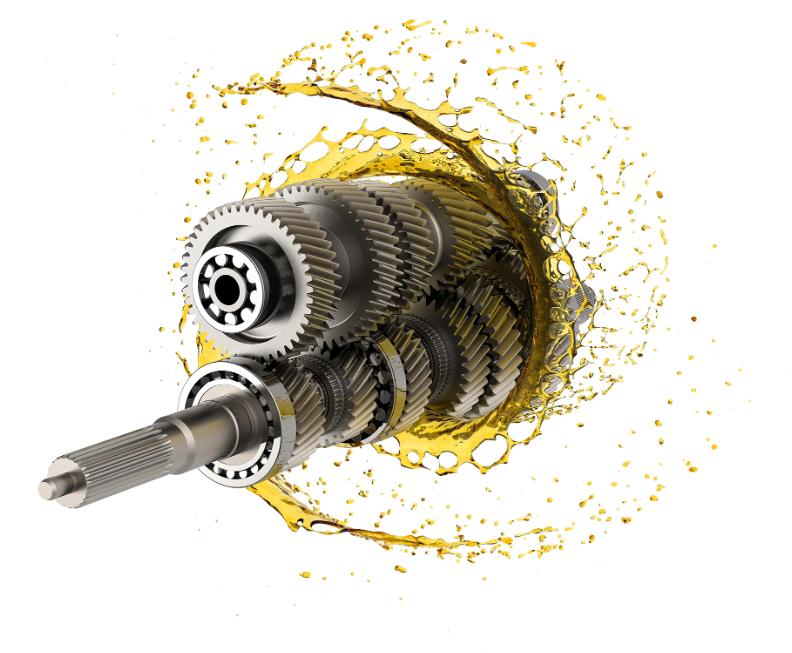
Why Performance and Recyclability Must Coexist
For high-pressure environments like manufacturing and refining operations, it is essential to use high-performance lubricants. The lubricants need to be able to withstand pressure, reduce friction, and avoid overheating. Yet, concentrating solely on uptime will leave one blindsided by the end of the life cycle of the fluids.
Disposing of the used fluids as one-time waste will mean high regulatory costs and liabilities. However, by opting to utilize a high-performance fluid that can be recycled, one will succeed in achieving dual objectives of asset protection and reduced hazardous waste outputs.
Key Factors in Selecting Performance-Driven Industrial Lubricants
In order to achieve such a balance, it is necessary to analyze the behavior of lubricant chemistry while in operation and during processing.
Viscosity and Thermal Stability at High Load
Viscosity is an essential property of a lubricant. In conditions of high load and temperature, the film of liquid needs to remain thick enough to avoid any metal-to-metal contact.
Good lubricants will be formulated with base oils that have a high viscosity index (VI). It means that such oils are resistant to thinning while working and do not thicken at the time of a cold start. Such thermal stability protects hydraulic pumps, gearboxes, and compressors from wear while minimizing energy losses.
Additive Packages and Effect on Machine Life
Unmodified base stock cannot satisfy current industrial needs. Various chemicals are added to improve performance:
- AW and EP Additives: Create a barrier between friction areas that can form under severe operating conditions.
- Antioxidants: Slow down the oxidation process and help prevent sludge formation.
- Corrosion Inhibitors: Protect metals inside machines against corrosion caused by moisture.
Although such additives increase machine life, their chemistry plays a major role in what occurs with the oil when it is drained.
What Makes an Industrial Oil “Recyclable”?

The ease with which a used oil can be processed in a vacuum distillation plant depends entirely on its initial formulation.
Base Oil Types: Mineral vs. Synthetic in the Recycling Loop
The underlying hydrocarbon structure alters how effectively the oil can be re-refined.
| Base Oil Type | Performance Characteristics | Recyclability Profile |
| API Group I & II (Mineral) | Reliable standard performance, excellent solubility. | Highly recyclable. Standard distillation setups easily separate contaminants from the hydrocarbon core. |
| API Group III (Hydrocracked) | High thermal stability, low volatility; approaches synthetic performance. | Excellent for re-refining. Retains molecular integrity throughout the operating cycle. |
| API Group IV (PAO Synthetics) | Superior extreme-temperature performance, extended drain intervals. | Highly valuable but requires segregated collection to prevent dilution in standard mineral oil recycling streams. |
| API Group V (Esters/Glycols) | Specialized applications (e.g., fire-resistant fluids). | Difficult to re-refine. Often requires specialized chemical cracking or incineration. |
Additive Interference in Waste Oil Refineries
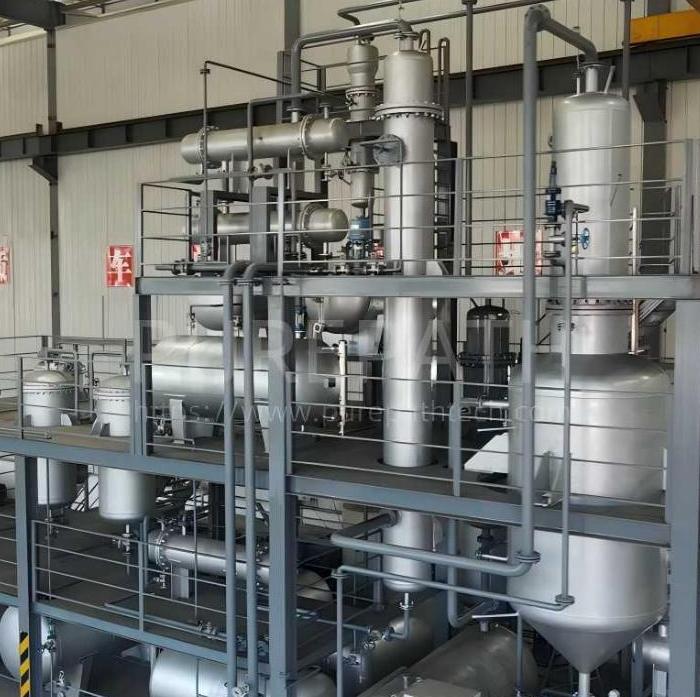
In a waste oil re-refinery, dehydration, solvent extraction, and vacuum distillation take place to separate the base stock from the waste oil. Certain additive chemistry interferes with the operation:
- Chlorinated Paraffins (EP Additives): The presence of chlorine under high distillation temperatures produces hydrochloric acid, which attacks the equipment during the operation.
- Silicone Anti-Foaming Additives: High levels of silicone tend to transfer to distillation fractions, causing contamination in hydrotreating units.
High-purity formulations ensure protection without interfering with downstream facilities.
3-Step Strategy to Balance Performance and Eco-Compliance
This framework can be adopted by plant managers in order to maximize fluid optimization in terms of both machinery performance and sustainability.
Step 1: OEM Standards and Base Oil Purity
Do not settle for anything less than OEM standards regarding the viscosity of the oil, as well as its load-carrying capacity. But think about more than just meeting the minimum requirements. In choosing between using either Group I mineral base oil or Group II and Group III hydroprocessed base oil, go for the latter.
Step 2: Implement Stringent Used Oil Condition Monitoring
The most effective strategy for dealing with used oil is minimizing its production. Initiate an oil monitoring program to monitor the Total Acid Number (TAN), viscosity variations, and wear elements. This entails switching from preventive oil changes based on time to condition-based changes to optimize the useful life of the fluid, save on purchasing costs, and avoid using excessively worn-out fluid during disposal.
Step 3: Introduce Separate Waste Streams Program
Used fluids should not be mixed since they become impossible to recycle. The mixing of hydraulic oils, gear oils, and synthetic cutting fluids in one container produces a blend that is not easily separated at conventional distillation facilities. Maintain separation of waste streams by labeling containers appropriately, such as “Mineral Hydraulic Oil only.”
Final Words
Sustainability in industry will work best when it helps to enhance profitability. The choice of industrial lubricants should be based on the need for both current mechanical performance and future disposal of the fluids. Through high-quality base oils, maintaining fluid integrity, and avoiding contamination while disposing of the fluids, a sustainable position can be achieved.