
used oil recycling plant
Upgrade your operations with the most efficient and eco-friendly machinery for recycling used engine oil.
PurePath Chemical Engineering is a process technology and licensing company offering a range of products and services for used oil recycling machine to re-refining of waste engine oil / used lubricating oils. With over 15 years of experience, PurePath specializes in the research, development, manufacturing, and sales of waste oil distillation plants. Our plants are specifically designed to convert 5 to 200 tons of used motor oil per day into API standard Group I base oils and Euro 5 standard diesel fuel. The overall oil recovery rate can reach 75%-85%, ensuring efficient and high-quality output.
WhatsApp/Tel: +86 15213363289
Email: [email protected]
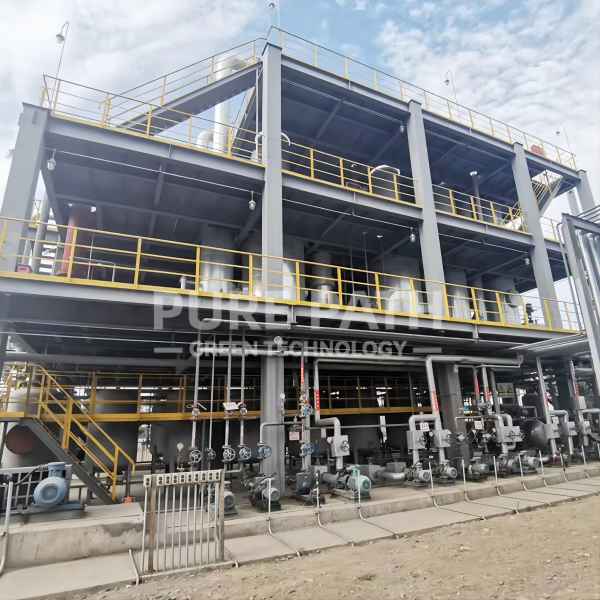
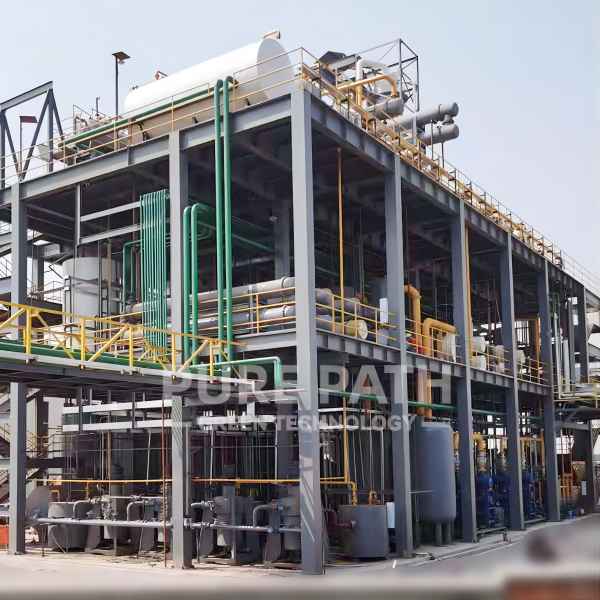
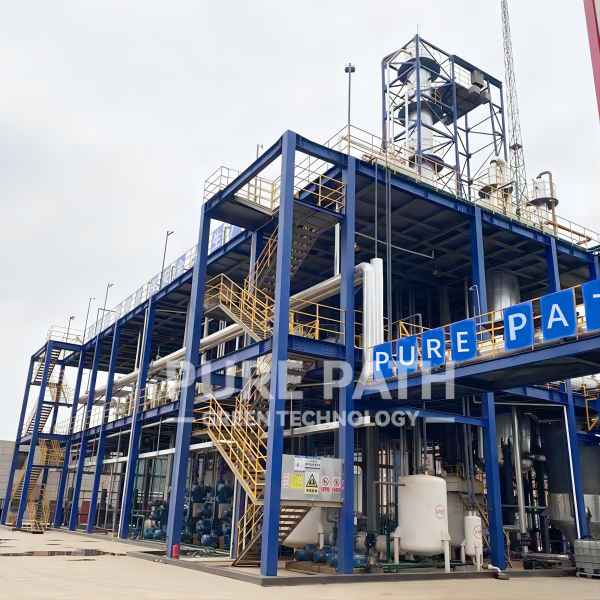
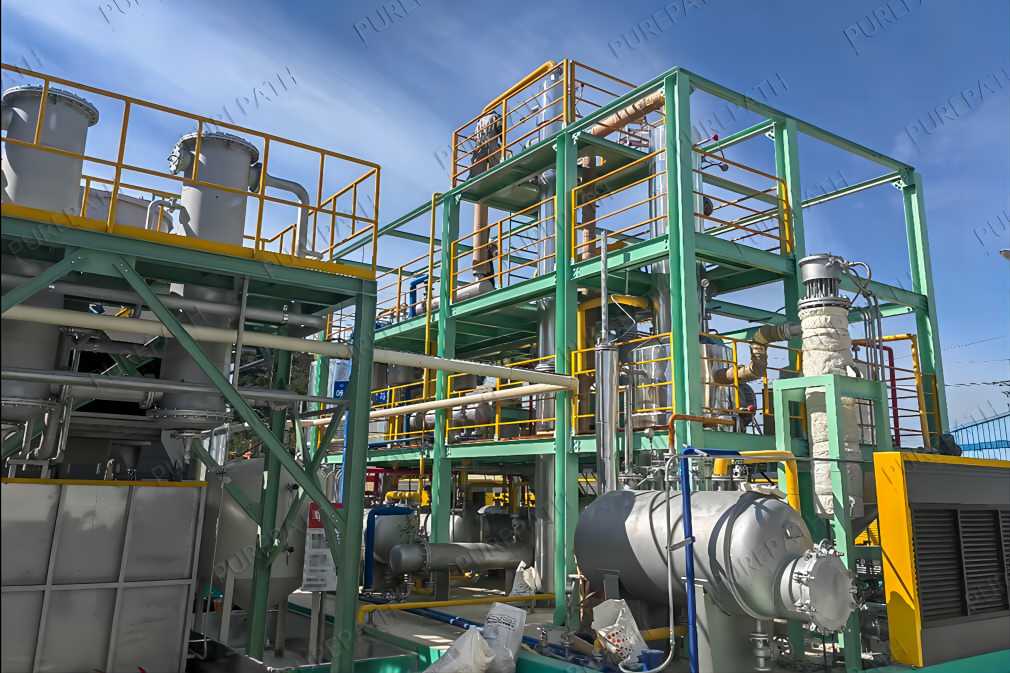
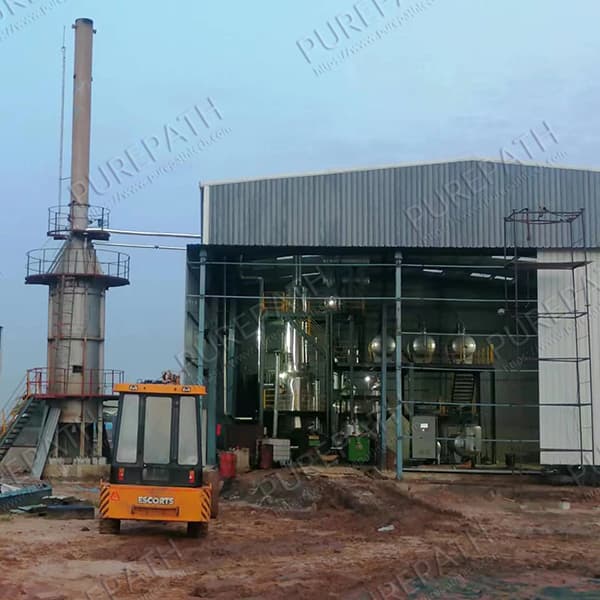
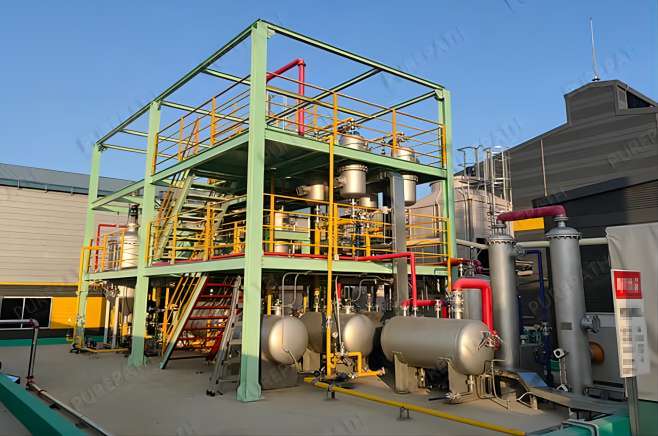
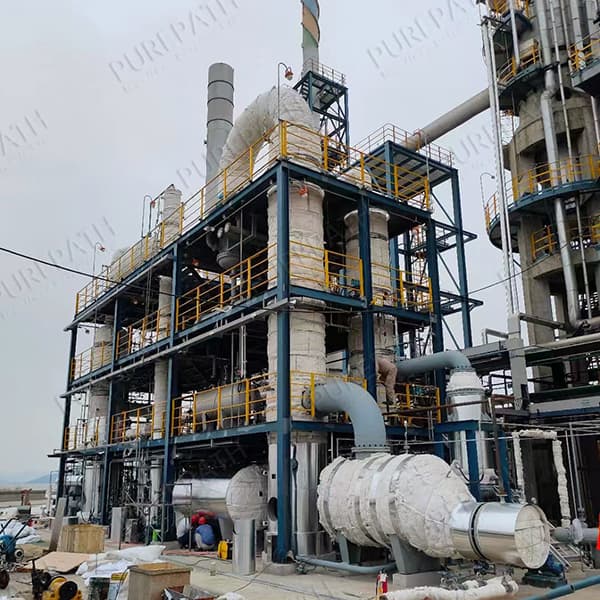
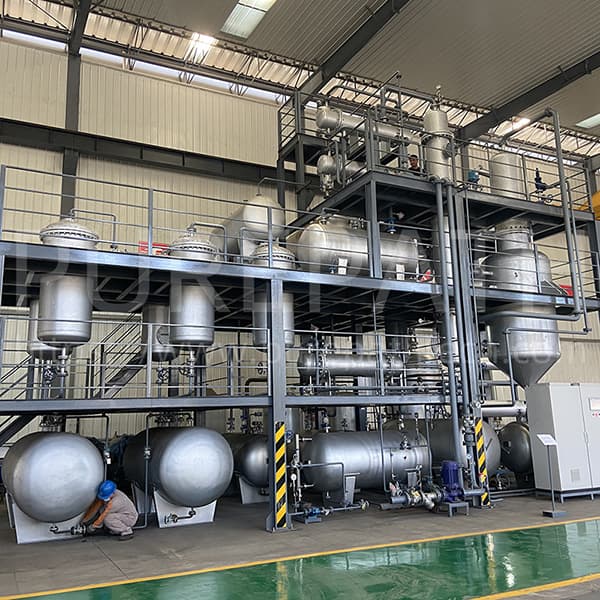
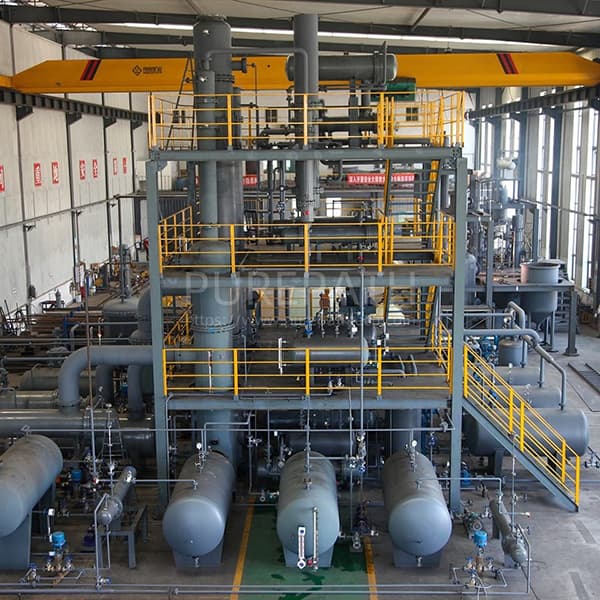
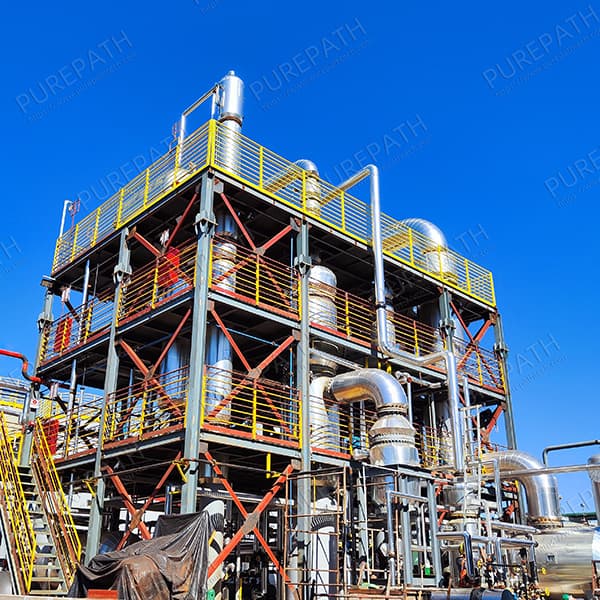
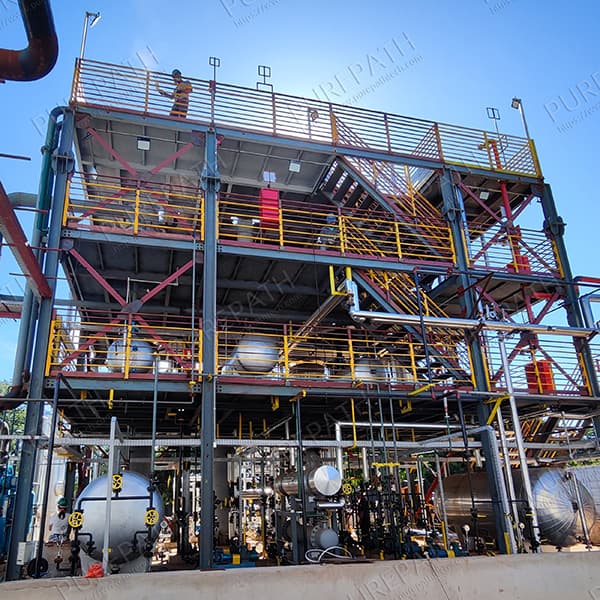
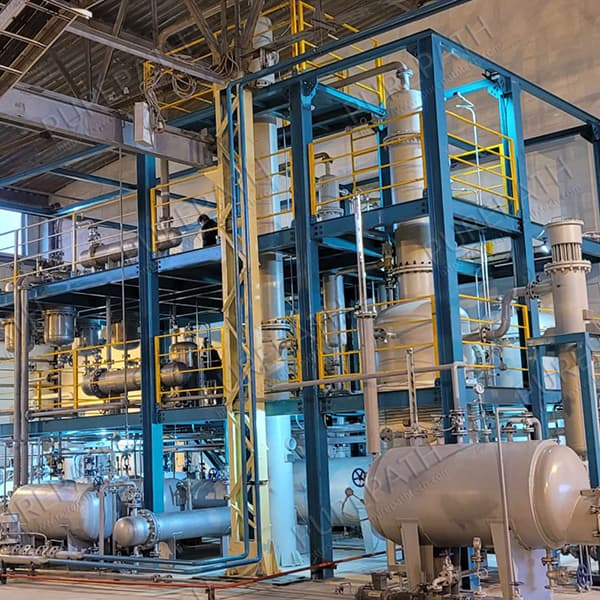
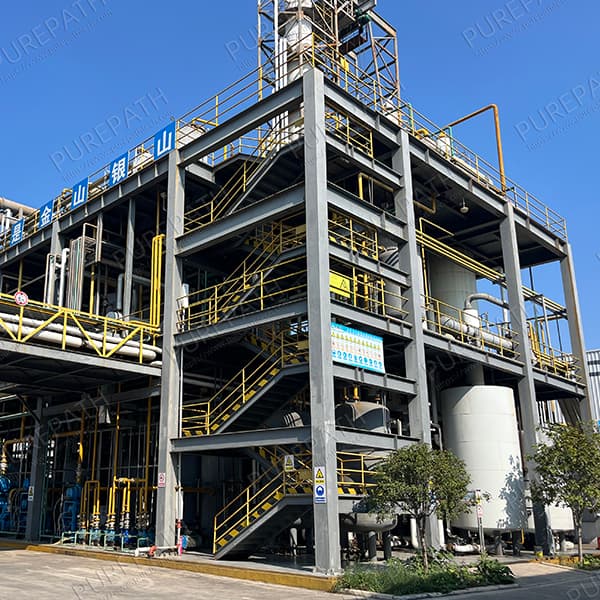
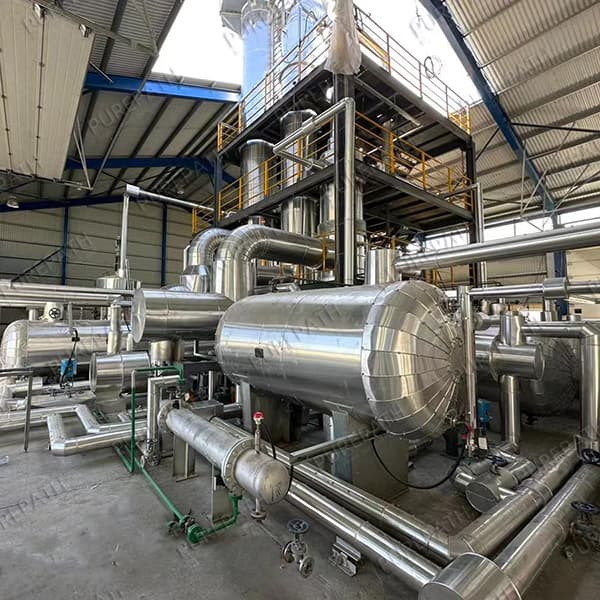
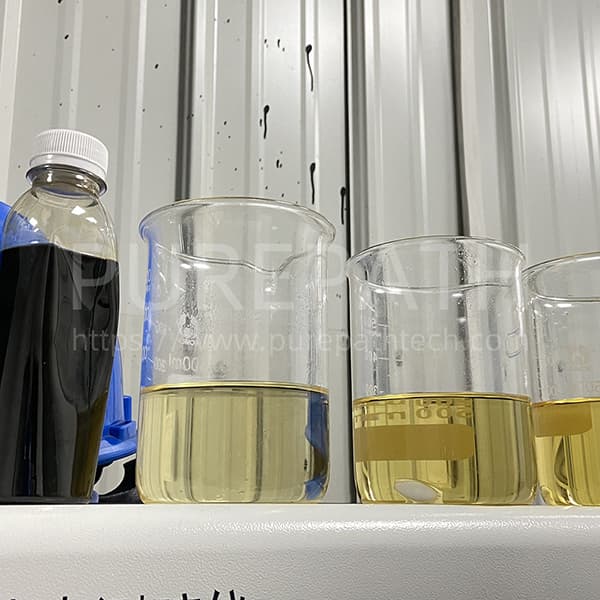
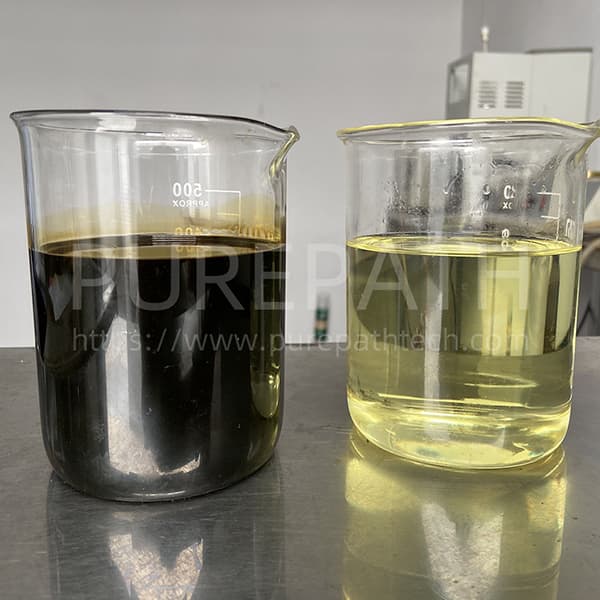
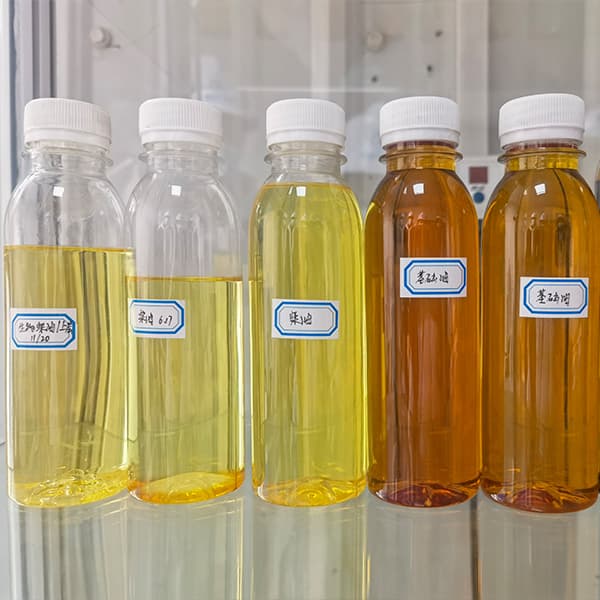
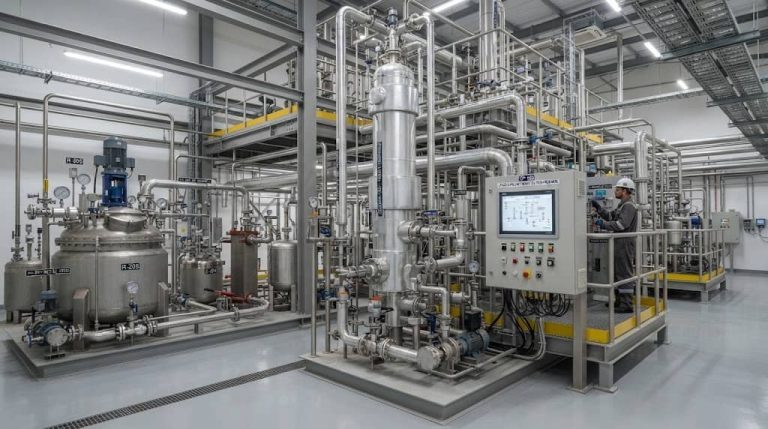
PPGT-TB Waste Oil to Base Oil WFE Vacuum Distillation Plant
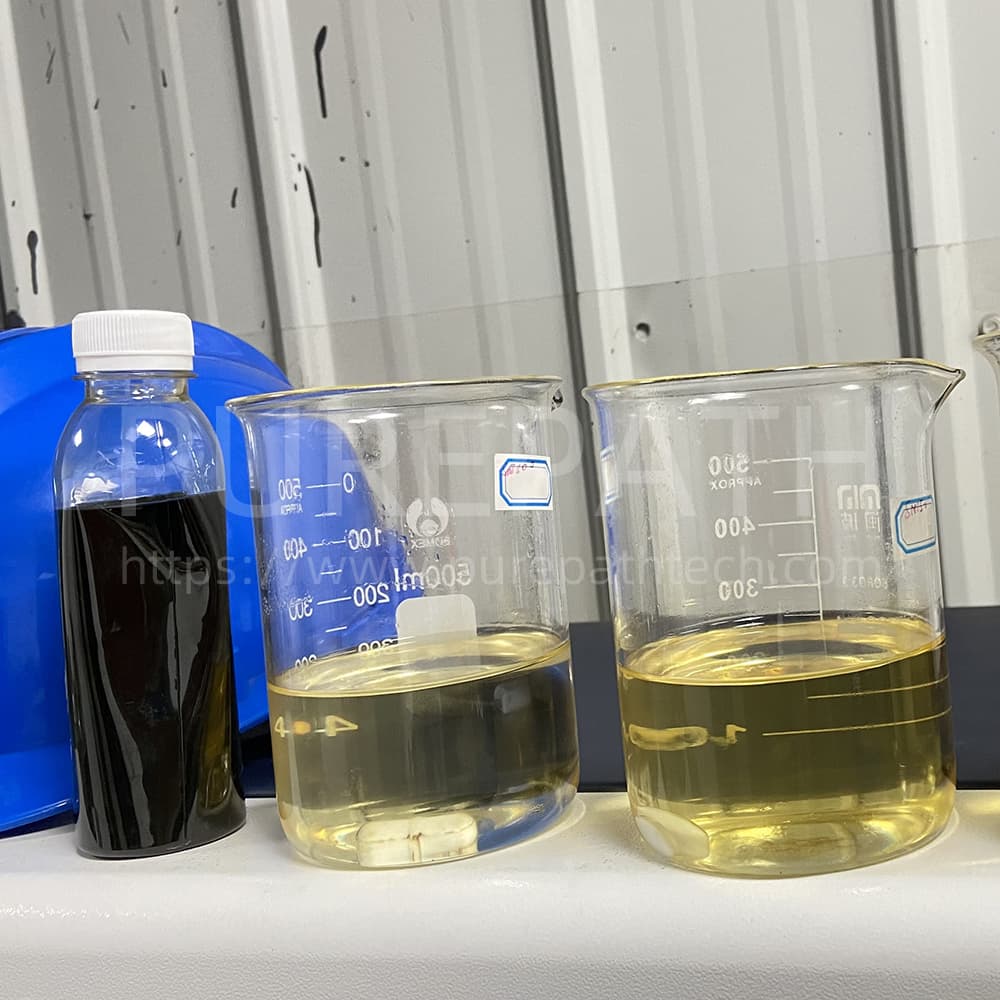
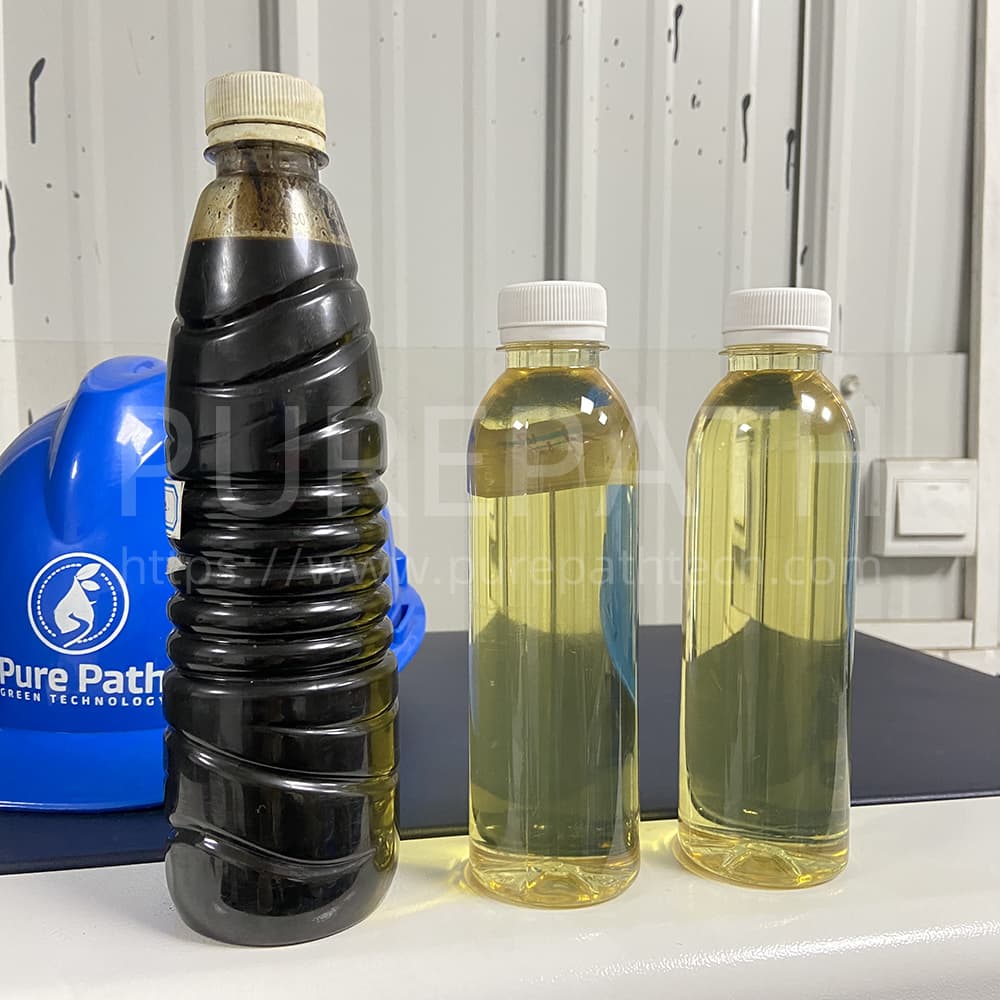
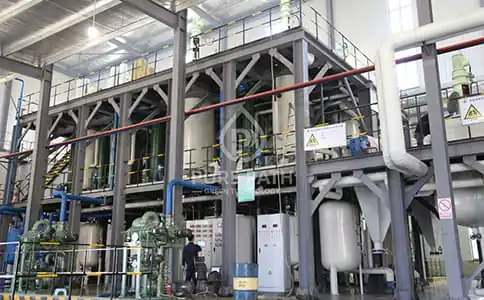
PPGT-TB Waste Oil To Base Oil Plant series is a process technology based on vacuum distillation (using TFE Wiped Film Evaporator) to re-refining of waste/used lubricating oils to near virgin API Group I base oils ranging from SN70 to SN500. Re-refining is the term used to describe use of PPGT-TB technology to extract the lubricating base oil from waste lubricants. Water, fuel oil, additives and sludge are separated from the base oil. The base oil yield can reach up to 75%-80%, ensuring high efficiency in the recovery process.
PPGT’s complete six-step process treats used oil to produce virgin base oil, which meets API Group I specifications:
- Pre-treatment
- Water and Light Fuel Removal
- Raw Gas Oil (Diesel) Removal
- Separation of Lube Distillate by Wiped Film Evaporation (WFE)
- Fractionation to split the base oil into desired viscosity cuts
- Refining of the base oils to remove bad color, odour
PPGT-TB series best feedstock is waste engine oil, used motor oil (Crankcase). It should have less than 10% water content. Other industrial oils, Transmission Fluid, Gear Oil, Hydraulic Fluid can be included.
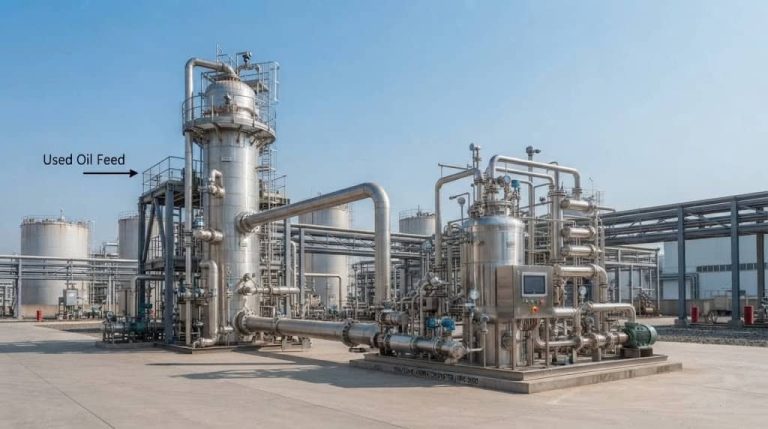
PPGT-DF Waste Oil to Diesel Continuous Fractional Distillation Plant
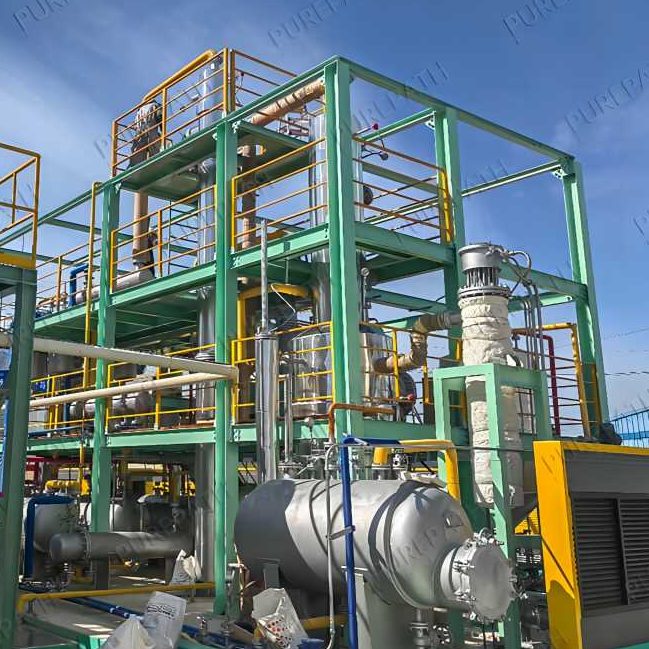
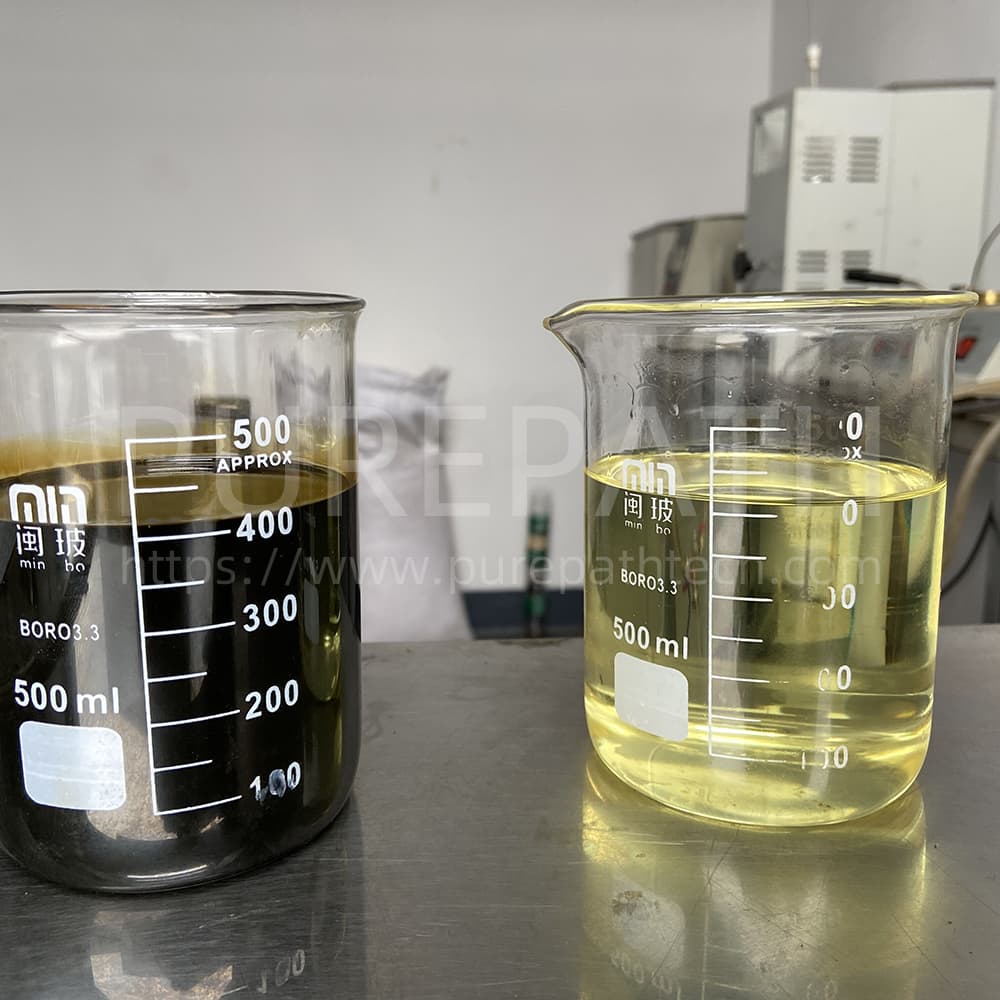
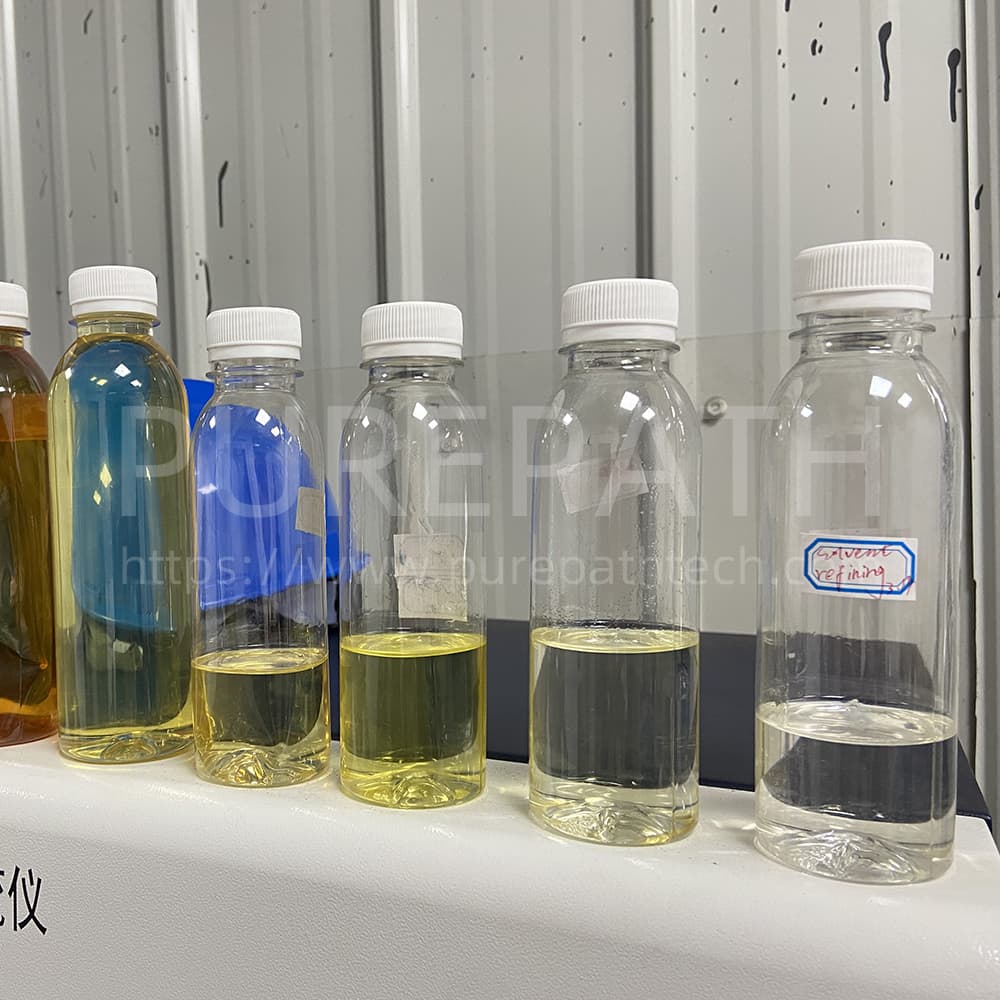
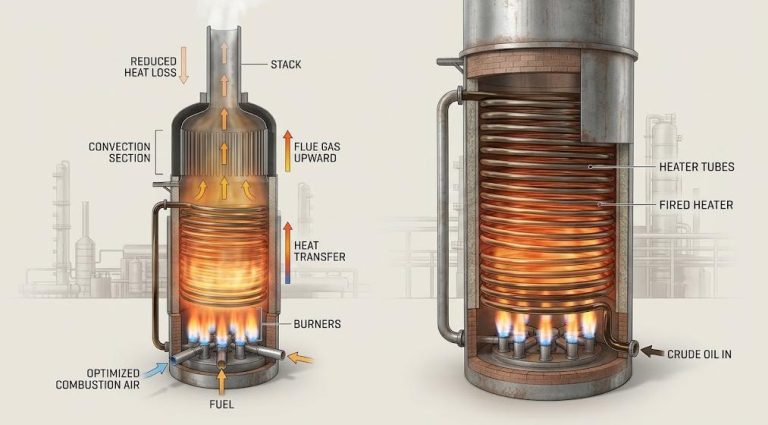
The PPGT-DF Waste Oil Distillation To Diesel Plant is designed to thermally break down the long chain hydrocarbons in waste motor oil, converting them into valuable diesel fuel. It also produces byproducts such as light gas oil, light hydrocarbons, water, and asphaltene sludge. The high flash point, high cetane number diesel yield can reach up to 80%-85%, ensuring high efficiency in the conversion process. With PurePath’s exclusive fractionating and ultrasonic desulfurizing technologies, the diesel produced by our distillation plant meets the Euro 5 related standards.
The five steps for distilling diesel from waste motor oil are:
- Pre-treatment
- Dehydration and Light Ends Removal
- Catalytic Cracking
- Fractionation and Condensation
- Refining and Desulfurization
The PPGT-DF Waste Oil Distillation Machine is capable of converting various types of waste oil feedstock into diesel fuel and other valuable byproducts. These include used motor oil, used engine oil, waste gear oil, waste crankcase oil, waste hydraulic oil, tire/plastic pyrolysis oil, slop oil, and more.
PurePath Chemical Engineering is a prominent company specializing in providing comprehensive services for waste oil distillation plants, base oil solvent refining plants, and desulfurization plants for light oils like diesel. Our expertise spans integrated engineering design, procurement, fabrication, and project operations.
What We Do?
Engineering service for customized petrochemical project(i.e. distillation, extraction, desulfurization and so on.)
Turnkey solution for Waste Oil Refinery, Base Oil Extraction Plant, Lube Oil Blending Plant & Desulfurization Plant.
One-stop-service for additives, catalysts, absorbents, laboratory instruments, tanks, pumps of our plant.
What We Have Done?
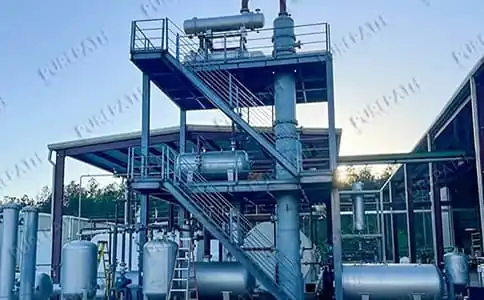
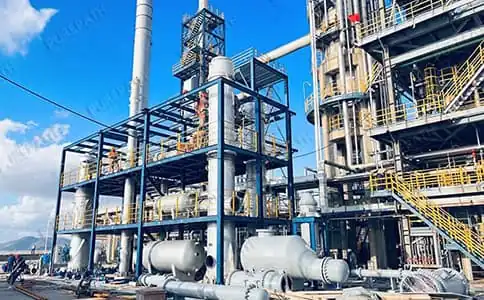
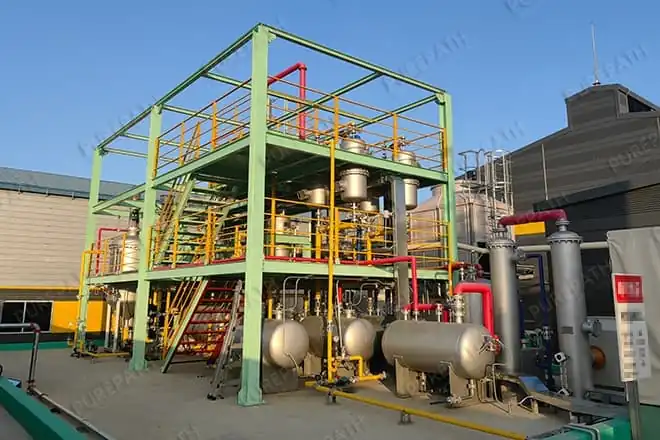
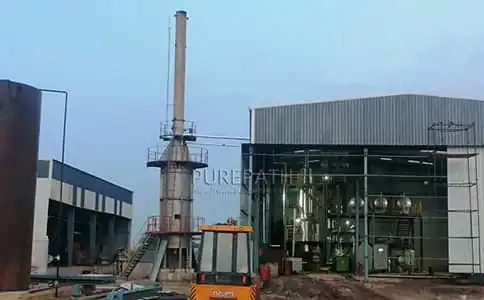
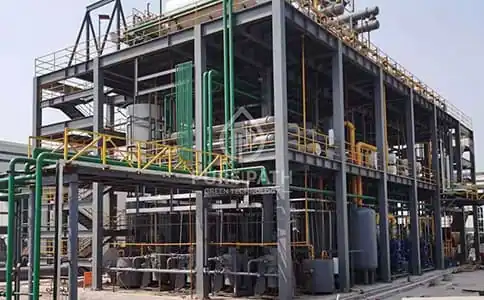
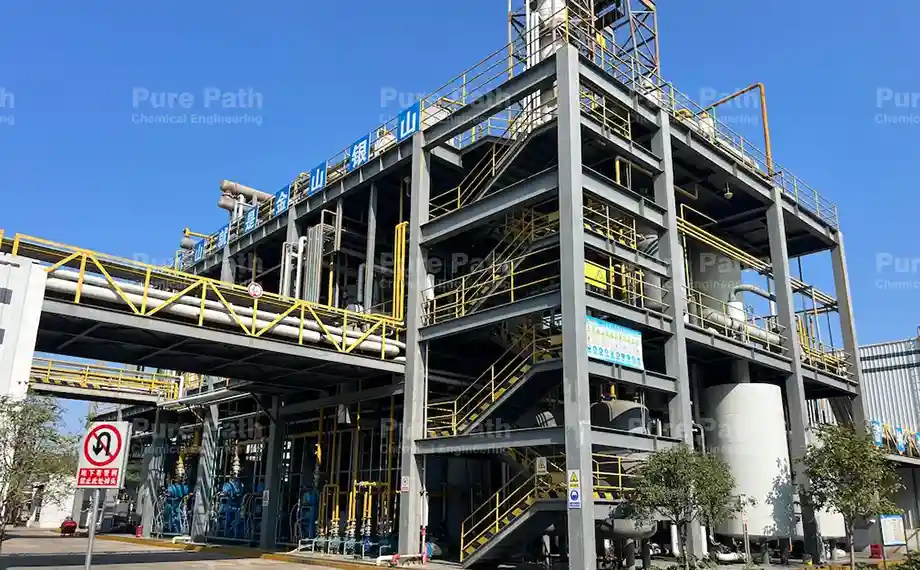
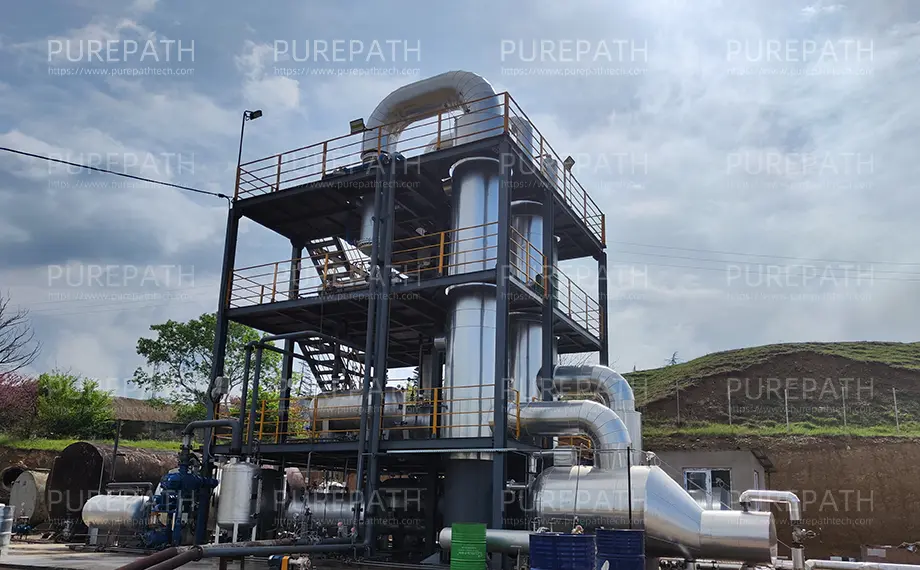
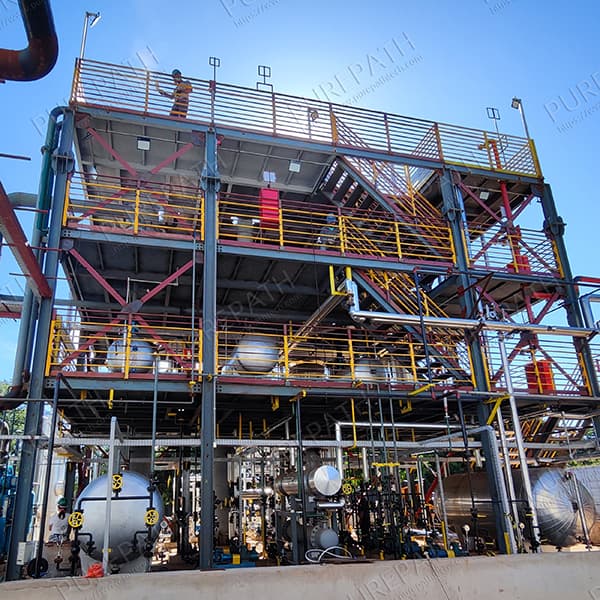
PurePath has successfully delivered and operated over 40 petrochemical refineries all over the world and has been deeply involved in over 100 petrochemical projects.

Free Consulting Service
PurePath provides our clients with free project consulting services, such as project establishment, feasibility study, market research, factory layout, emission control, and consumables, to ensure the successful start-up of the entire project.

Free Engineering Service
PurePath has been providing each of our potential customers with free engineering services during the pre-sale stage to ensure that every project we are involved in is tailored to suit our clients’ requirements.
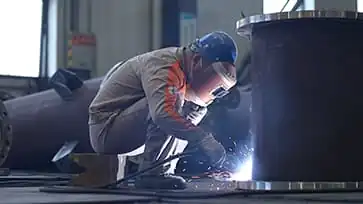
After Sale Service
PurePath is dedicated to providing our clients with the most satisfying after-sales service throughout the entire equipment lifecycle. We offer replacement parts at cost prices and swift online support free of charge after the warranty period for the equipment we have produced.
Please feel free to send us your inquiry regarding the price, specifications, and details of our plants and solutions.