
Why EPC Turnkey Modular Refineries Are the Top Choice for 2026 Investors?
Written By: Mr.Ran
Senior Petrochemical & Waste Oil Recycling Engineer
Deeply involved in the design, manufacturing, and optimization of various waste oil recycling and petrochemical equipment, delivering practical and efficient solutions for clients worldwide.
The world refining landscape for the year 2026 can be described by two key factors: high capital cost requirements and market volatility. The traditional method of building a refinery, also called “stick-built” construction, where years of construction work are required and where cost overruns can be unpredictable, is no longer applicable for small- to medium-scale refining projects. Today, the move towards EPC (Engineering, Procurement, and Construction) turnkey modular refineries is driven by the need for financial and technical flexibility.
Accelerated Time-to-Market: The 2026 Economic Imperative
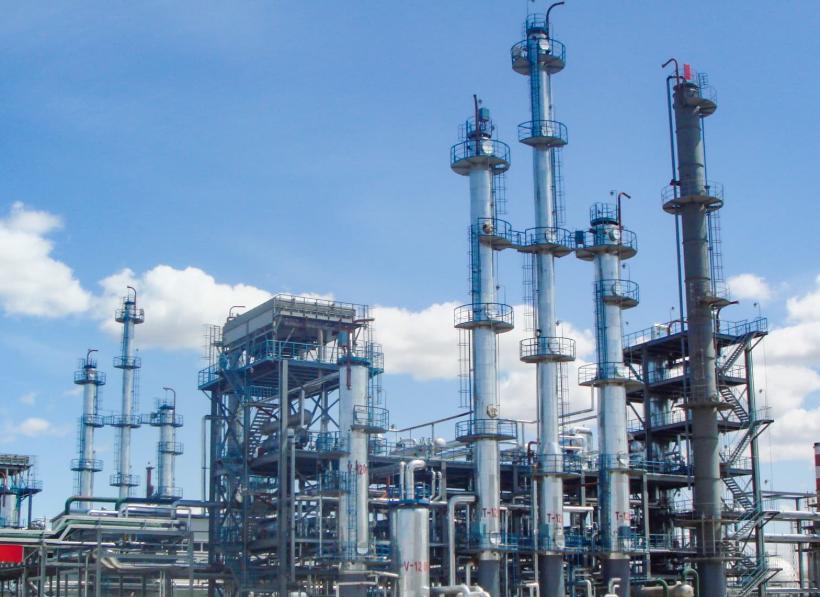
In 2026, the opportunity cost for a delayed project is higher than ever before. With crude oil prices oscillating in a band of $60-$70/bbl and the demand for recycled base oils (Group II/II+) growing exponentially due to carbon mandate requirements, being “first to market” is a competitive imperative.
- Parallel Path Construction: Unlike traditional construction methods, where civil work must be completed before mechanical installation begins, modular refineries permit simultaneous progress. While the site is being cleared and foundations are being poured in the destination country, the refining units are being constructed, wired, and piped in a controlled factory environment.
- Compression of Schedule: A normal capacity 5,000 BPD modular unit has an in-place schedule of 10 to 14 months, compared with a 24- to 36-month schedule for a field-erected unit of the same capacity. This is a critical advantage for an investor, providing an additional 12-22 months of revenue generation, which could amount to tens of millions of dollars in early-stage EBITDA.
Risk Mitigation through Factory Acceptance Testing (FAT)
On-site construction in remote and developing areas is frequently affected by the unavailability of skilled manpower, weather-related issues, and raw material availability. The EPC turnkey process transfers 90% of technical risk from the client location to the manufacturer location.
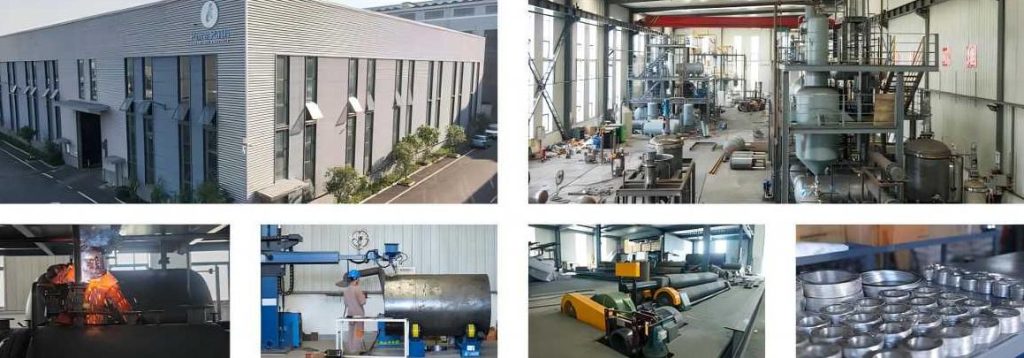
- Controlled Quality Environment: Welding, wiring, and instrumentation of the system occur in a specialized workshop. This ensures that every connection and sensor is designed to ASME and ISO codes, which would be difficult to ensure in harsh environmental conditions.
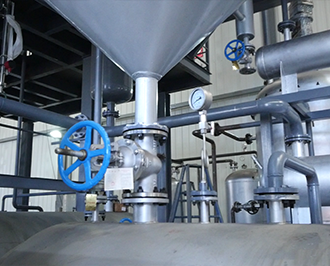
- The FAT Advantage: Before dispatch, the entire refinery, mounted on steel skids, is subjected to very rigorous Factory Acceptance Testing, where all the loops are checked, all the pumps are dry-run, and the control system is calibrated. This reduces the commissioning work to a mere fraction, and the “hidden costs” of field work are avoided.
Cost Certainty and Capital Efficiency
The “Turnkey” component of the EPC agreement is the strongest guarantee of 2026 CAPEX. Change orders and labor delays can increase the initial budget by as much as 30% or more in a stick-built project.
- Fixed-Price Contracts: The turnkey agreement with a manufacturer like PurePath ensures a fixed price for all aspects of the project, including process design and equipment delivery. This is a requirement for project financing or green bonds in today’s financial environment.
- Reduced Site Labor Costs: By reducing the requirement for site technicians, investors can cut costs associated with accommodation, insurance, and mobilization of staff. Typically, a modular plant requires 70% fewer man-hours on-site than a traditional construction site.
Scalability and the “Build-as-You-Grow” Strategy
The future of the 2026 energy market is based on capital flexibility, not size. Conventional, large-scale plants are subject to “under-utilization risk” since feedstock collection or regional demand may not grow as expected. Modular plants, however, allow for a “staged investment” model, which matches CAPEX with actual market growth.
- Phased Capacity Expansion: Investors can begin commercial operation with a base-level 2,000-3,000 BPD Distillation Unit, securing early market share. As the UMO or crude feedstock supply chain develops, additional processing units can be added in parallel, such as a Solvent Extraction or Polishing Unit. This “Lego” model ensures a cash-flow-positive operation at all times.
- Asset Portability and Resale Value: A modular refinery is not an immobile concrete asset like a traditional refinery. In the event of a change in geopolitical regulations or economic downturns, it can be completely shut down, containerized, and moved into a higher-margin territory. This portability maintains the asset value of the equipment, giving it an exit strategy, unlike traditional refineries.
Technical Depth: Meeting 2026 Environmental Standards
Modern modular refineries are not “simplified” versions of large refineries; they are highly sophisticated units designed specifically for a given feedstock, whether used motor oil (UMO) or small-batch crude.
- Advanced Distillation & Hydro-finishing: To produce Group II+ base oils that meet API 2026 standards, temperature control and high-pressure hydrogen finishing are critical. EPC manufacturers have designed these complex processes in compact units so that the finished product can compete with virgin materials.
- Sustainability Integration: With 2026 investors being held accountable for ESG (Environmental, Social, and Governance) goals, turnkey modular units now come standard with integrated waste heat recovery and closed-loop water systems, which reduces environmental impact from day one.
Sourcing Authority and Engineering Integrity
The transition to a modular EPC approach is underpinned by a solid data set based on global industry benchmarks. Recent Construction Industry Institute (CII) data now measures that off-site modularization reduces total project unpredictability by nearly 40%. This transparency is the ultimate security for the investor of 2026.
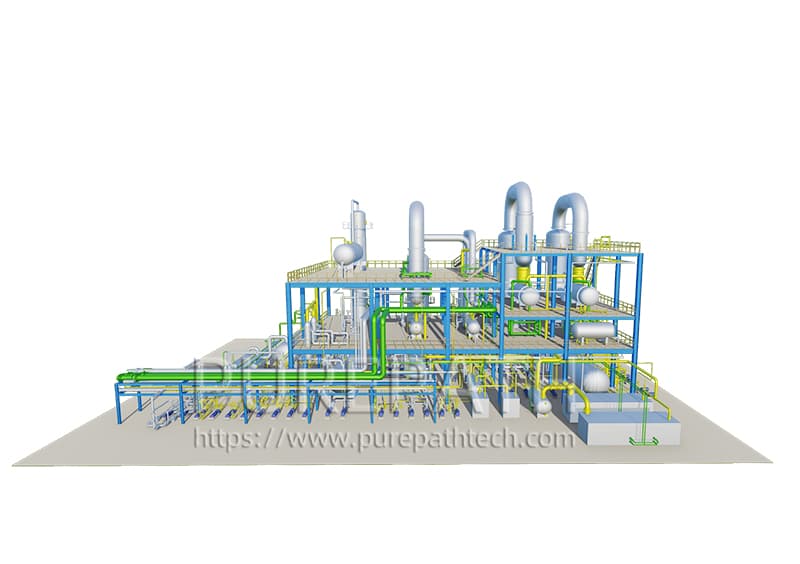
As a seasoned EPC company, PurePath’s approach to modular design is based on Process Flow Diagrams (PFDs) that have already been proven successful. This ensures that the transition from a 3D design to a fully functional refinery is seamless. The modules are designed to meet international shipping standards (ISO), so that the technology is exportable to any port in the world without the need for any special arrangements for over-dimensional cargo.
Explore our technical capabilities at official website.