
Cutting-Edge Technologies Driving Crude Oil Refinery Efficiency
Written By: Mr.Ran
Senior Petrochemical & Waste Oil Recycling Engineer
Deeply involved in the design, manufacturing, and optimization of various waste oil recycling and petrochemical equipment, delivering practical and efficient solutions for clients worldwide.
The efficiency of crude oil refineries lies not only in converting crude oil into usable products but also in maximizing output, minimizing energy consumption, reducing emissions, and ensuring safe and reliable operation. By 2026, modern crude oil refineries will no longer rely solely on powerful processing capacity; advanced technology will also play a crucial role.
Advanced Process Control (APC) Optimizes Crude Oil Refinery Output

One of the largest gains in efficiency in a crude oil refinery can be achieved through Advanced Process Control systems. Advanced Process Control systems use data from hundreds of sensors to automatically control temperature, pressure, and flow rates in a refinery.
The result is almost instantaneous, with fewer interruptions in production, consistent product quality, and efficient use of energy. In fact, refineries using APC report an increase in throughput of 3 to 8 percent, as well as a similar reduction in energy consumption.
In practical terms, APC lets operators respond to changing crude quality or market demands without shutting down units or manually tweaking settings. The technology essentially takes the guesswork out of refining.
Energy Recovery Units Cut Waste and Costs
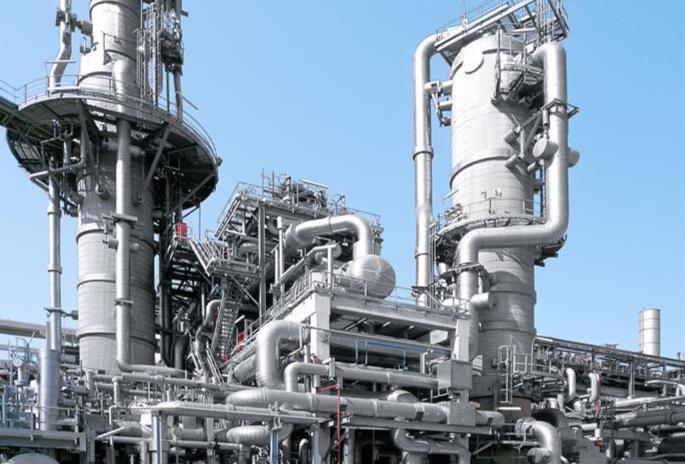
One of the major areas of focus in today’s refineries is energy efficiency. Energy recovery units, or ERUs, collect energy that would otherwise be wasted in the process and put it to use in another area of the refinery.
For instance, the energy in the overhead gases of the distillation column can be used to preheat the crude. This reduces the amount of fuel needed in the crude heaters. This can save millions of dollars in a year, in addition to reducing greenhouse emissions.
The table below highlights typical energy savings in a medium-scale refinery:
| Process Area | Traditional Heat Use | Savings (%) |
| Crude Preheating | 100 GJ/day | 30% |
| Steam Generation | 50 GJ/day | 30% |
| Overall Fuel Use | 150 GJ/day | 30% |
These savings aren’t theoretical—they translate directly into higher profit margins and reduced environmental impact.
Catalytic and Hydroprocessing Technologies Improve Output Quality
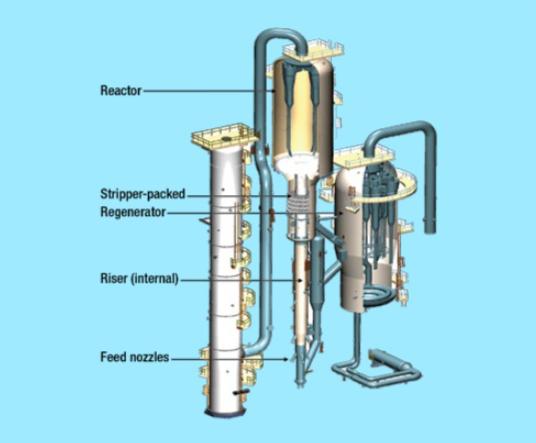
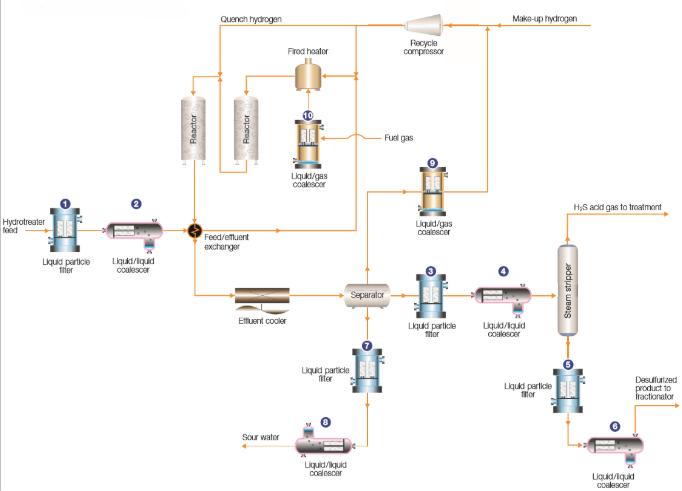
At present, crude oil refineries rely heavily on catalytic cracking and hydrogenation processes to convert heavier and lower-value crude oil into high-quality fuels such as gasoline and diesel.
Catalytic cracking breaks down large hydrocarbon molecules into smaller and more valuable ones. Hydrogenation treatment removes sulfur and nitrogen compounds to ensure that the fuel meets strict environmental standards. These two technologies also enable refineries to process a wider variety of crude oils, making raw material procurement more flexible and reducing raw material costs.
Modern catalyst design and reactor configuration can enhance conversion efficiency and extend the lifespan of catalysts. This means lower maintenance costs and more stable production plans.
Automation and Predictive Maintenance Reduce Downtime
The automation of oil refineries goes beyond process control. Predictive maintenance systems utilize sensors and analytical technologies to detect issues before equipment wear causes problems. Continuous monitoring can be carried out for various equipment such as pumps, compressors, heat exchangers, and turbines.
By predicting faults, oil refineries can proactively arrange maintenance, thereby avoiding losses in production and labor costs caused by unexpected shutdowns.
The final result is that we have gained more uptime, better security and lower operating costs.
Environmental Compliance Technologies Drive Efficiency

Compliance with environmental regulations is not only about legal requirements, but also a key factor in enhancing efficiency.
The flue gas desulfurization, wastewater treatment systems, and low-emission burners not only reduce pollutants but also recover the energy and materials that would otherwise be wasted.
For instance, the sulfur recovered from the flue gas can be sold as a by-product, while advanced wastewater treatment technologies can recover heat and water for reuse in the factory. Over time, this technology recovers costs by saving money and meeting regulatory requirements.
Data Analytics and Digital Integration
Refineries that operate at maximum efficiency treat their data resources as valuable business assets. The system collects real-time data about operational activities, maintenance records, market information, and inventory status through its unified dashboard system. The operators can quickly decide about feedstock blending operations, production scheduling, and maintenance work requests.
The implementation of data-based decision-making processes leads to operational efficiency enhancements while simultaneously decreasing potential hazards. Refined operations mistakes lead to high financial losses, which analytics technology helps organizations to identify and correct before they affect production capacity and product quality.
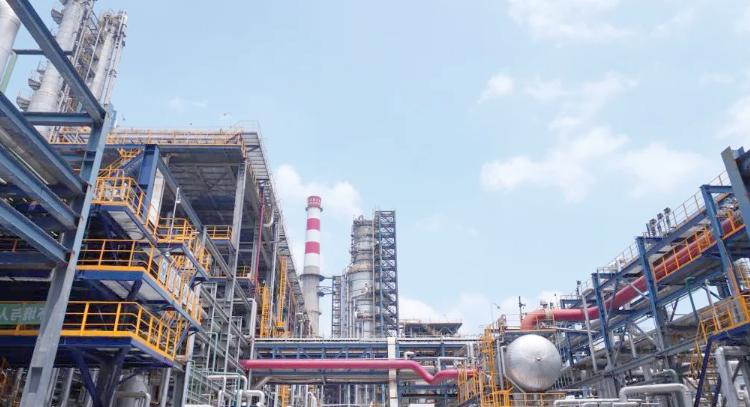
The contemporary crude oil refinery system achieves operational efficiency through the integrated use of advanced process control, energy recovery systems, catalytic reactions, automated systems, environmental regulations, and digital technology solutions.
Purepath Tech develops operational refinery designs that use advanced technologies to help clients attain optimal efficiency while fulfilling their environmental and safety requirements. We offer refineries that operate under actual conditions through our modular design solutions and our complete automation systems.
Our contact number is available for you to reach us about your refinery upgrade needs or your search for a new installation solution, which will demonstrate how our solutions improve your output and efficiency and boost your profits.