
Equipment and Chemical Reactions in Petroleum Refining
Written By: Mr.Ran
Senior Petrochemical & Waste Oil Recycling Engineer
Deeply involved in the design, manufacturing, and optimization of various waste oil recycling and petrochemical equipment, delivering practical and efficient solutions for clients worldwide.
Petroleum refining is a highly precise and complex chemical process aimed at converting crude oil into high-value fuels, lubricants, and petrochemical raw materials. The core of modern refineries lies in the deep integration of chemical engineering principles and specialized process equipment – the precise control of reaction kinetics and thermodynamics directly determines the yield, product purity, and operational efficiency.
This guide systematically reviews the core equipment, key chemical reactions (such as cracking, hydrogenation and isomerization), and advanced catalyst technologies that underpin the efficient operation of modern refineries.
The Importance of Petrochemical Refinery in Petroleum Refining Engineering Chemistry
Petrochemical refining is a complex process that requires several different chemical reactions and engineering principles. At its core, it requires specialized equipment that can aid in the chemical reactions that are necessary for refining crude oil into valuable products. The importance of petrochemical refinery equipment in the refining of petroleum engineering chemistry can never be overstated, as it plays a very important role in ensuring that processes are optimized for maximum efficiency.
1. Essential Equipment for Chemical Reactions
Petrochemical refinery equipment has been specifically designed to aid in the various chemical reactions that are necessary for refining crude oil into valuable products.
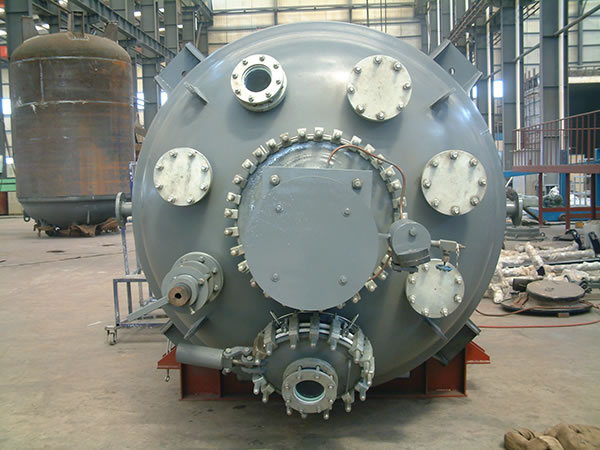
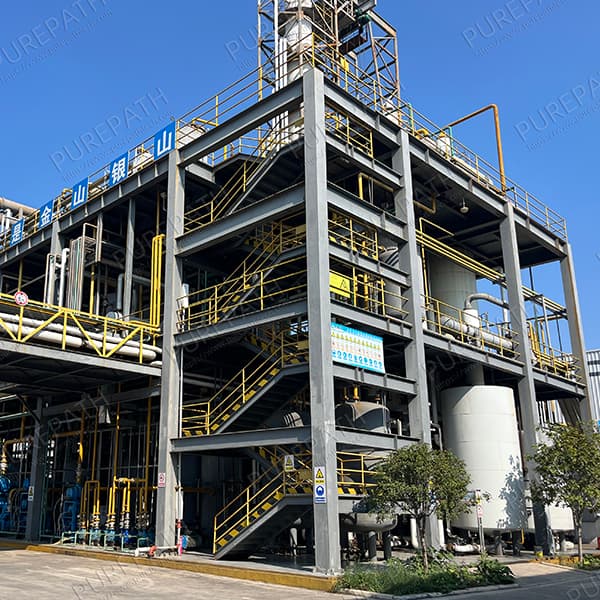
- Reactor Vessels: These apparatuses serve as essential components that enable the execution of chemical processes that include cracking, hydrogenation, and isomerization. They provide all necessary factors, which include temperature, pressure, and mixing capabilities, to achieve maximum reaction speed and product output.
- Distillation Columns: The apparatus functions as a critical component that enables crude oil to be divided into its multiple components through the process of boiling point-based separation. The design and operation of these columns directly influence the purity and yield of the products.
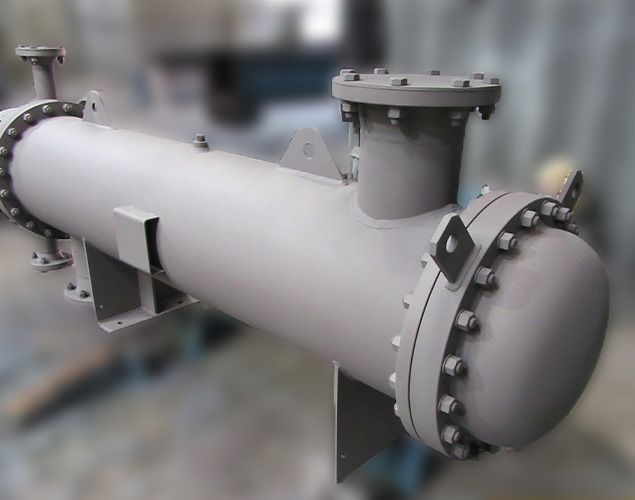
- Heat Exchangers: These devices help refineries function at optimal energy efficiency throughout their entire production process. They use outgoing stream heat to preheat incoming feeds, which leads to lower energy usage and decreased operating expenses.
2. Enhancing Reaction Efficiency
The efficiency of chemical reactions carried out in petroleum refining is, to a large extent, dependent on the equipment used. This is because the proper design of reactors can improve the rate of chemical reactions, thus enhancing efficiency.
- Catalytic Reactors: The use of catalysts is of prime importance when it comes to the efficiency of chemical reactions carried out in reactors. This is because the efficiency of chemical reactions is improved without altering the chemical composition of the reacting substances.
- Optimized Mixing: The efficiency of chemical reactions carried out in reactors is improved by optimizing the mixing of the reacting substances.
3. Product Quality and Purity
The equipment employed in petrochemical refining directly affects the quality and purity of the final products. For instance:
- Separation Equipment: The product streams become purified through the operation of centrifuges and membrane separators, which serve as separation devices. The deployment of advanced separation technology enables production facilities to meet both regulatory requirements and market specifications for their end products.
- Monitoring and Control Systems: The sophisticated control systems conduct real-time monitoring of temperature, pressure, and flow rate parameters, enabling operators to make precise adjustments that result in improved product quality. The systems maintain refining processes at their most effective operational state while reducing any operational variations that might compromise product quality.
4. Environmental and Safety Considerations
In modern petroleum refining, environmental and safety considerations are paramount. The design of refining equipment plays a crucial role in minimizing emissions and ensuring safe operations:
- Emission Control Systems: Equipment designed to capture and treat emissions helps refineries comply with environmental regulations. Technologies such as scrubbers and flare gas recovery systems are essential for reducing air pollution.
- Safety Mechanisms: Advanced safety features, including pressure relief valves and automatic shutdown systems, are integrated into refinery equipment to prevent accidents and protect workers and the environment.
5. Integration of New Technologies
The refining industry needs to implement advanced technologies for its petrochemical refining equipment. The following innovations bring value to the business:
- Digital Twin Technology: This technology enables operators to create a virtual refinery model that they can use to test various processes and predict results while optimizing operational efficiency through virtual experiments.
- Advanced Materials: New construction materials and catalyst developments create opportunities for refineries to achieve extended equipment lifespans and lower costs through better maintenance practices.
- Process Intensification: The development of new equipment designs that combine multiple processing steps into single units brings advantages through streamlined operations, decreased energy requirements and reduced environmental impacts for refining processes.
5 Key Chemical Reactions in Petroleum Refining & Their Process Equipment
The petroleum refining process encompasses several key chemical reactions, each serving a specific purpose in transforming crude oil into valuable products. Understanding these reactions is essential for optimizing refinery operations and improving product quality.
1. Cracking Reactions
Cracking is a crucial step in petroleum refining, where larger hydrocarbon molecules are broken down into smaller, more valuable ones. This process can be further divided into:
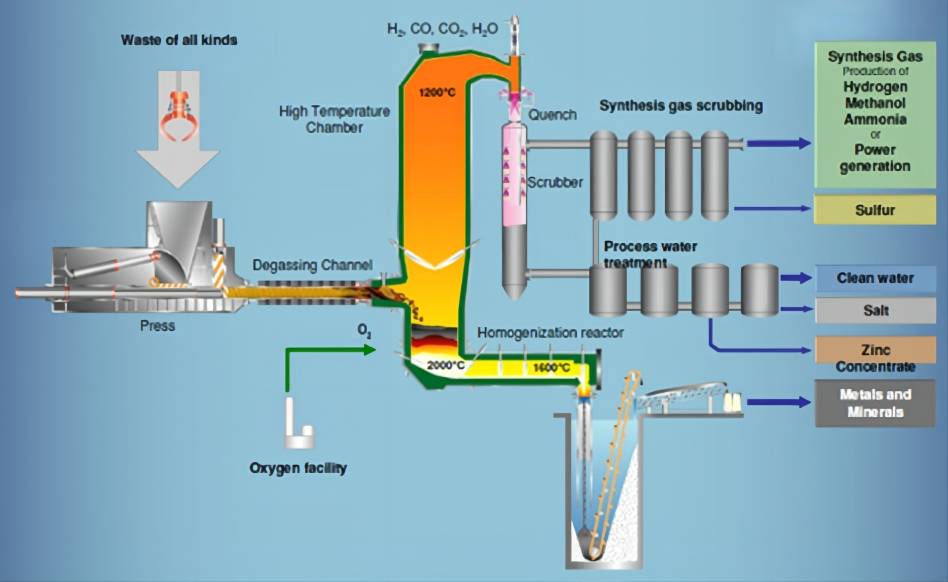
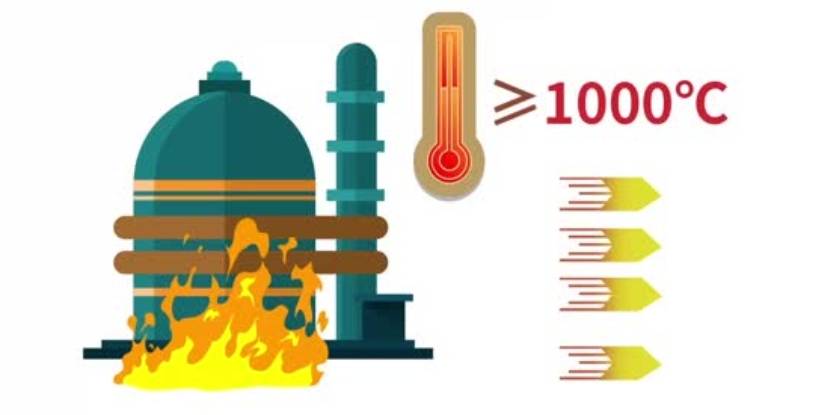
- Thermal Cracking: The process requires heating crude oil at extreme temperatures to transform its heavy hydrocarbons into smaller components. The method has a simple design, but it produces unwanted chemical substances as a result.
- Catalytic Cracking: This process uses catalysts to enable chemical bond breaking at reduced temperature and pressure conditions, which results in increased production of gasoline and other important materials. The use of catalysts helps to improve selectivity and reduce energy consumption.
2. Hydrogenation Reactions
Hydrogenation is another critical reaction in refining, where hydrogen is added to unsaturated hydrocarbons to convert them into saturated ones. This process is essential for producing high-quality fuels and reducing harmful emissions. Hydrogenation is particularly important in:
- Desulfurization: Removing sulfur compounds from fuels, which helps to meet environmental regulations and reduce air pollution.
- Upgrading Heavy Oils: Converting heavy crude oils into lighter, more valuable products through the addition of hydrogen.
3. Sulfur Removal Reactions
Desulfurization involves several chemical reactions aimed at removing sulfur from petroleum products. This is crucial for producing cleaner fuels and meeting regulatory standards. Common methods include:
- Hydrodesulfurization (HDS): A catalytic process that involves reacting sulfur compounds with hydrogen to form hydrogen sulfide, which can then be removed.
- Oxidative Desulfurization: Uses oxidants to convert sulfur compounds into more easily separable forms.
4. Isomerization Reactions
Isomerization is the process of converting straight-chain hydrocarbons into branched-chain hydrocarbons, which have better combustion properties. This reaction enhances fuel quality and improves octane ratings, making it an essential step in gasoline production.
5. Aromatization Reactions
Aromatization involves the conversion of aliphatic hydrocarbons into aromatic compounds, which are key building blocks for many petrochemicals. This process is significant for producing high-octane gasoline and feedstock for the chemical industry.
What are the Types of Catalysts Used in Petroleum Refining?
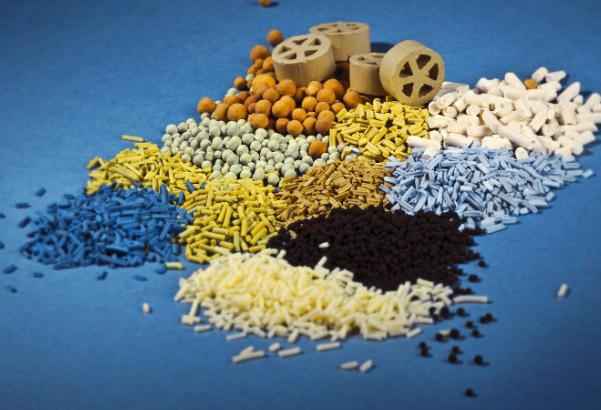
Catalysts are crucial in petroleum refining as they accelerate chemical reactions without being consumed in the process. The choice of catalyst can significantly impact yield, selectivity, and overall efficiency. Several types of catalysts are commonly used in refining:
1. Molecular Sieves in Cracking Catalysis
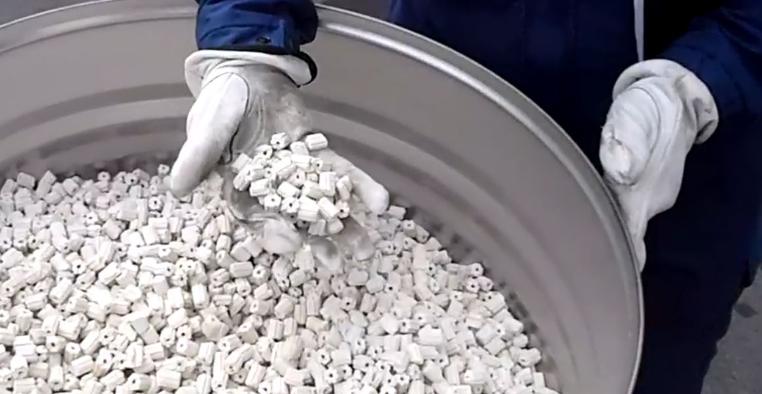
Molecular sieves are porous materials that can selectively adsorb certain molecules based on size and shape. They are widely used in catalytic cracking processes to enhance the selectivity and efficiency of hydrocarbon conversion.
2. Catalytic Reforming Catalysts
Catalytic reforming catalysts are essential in converting low-octane naphthas into high-octane gasoline components. These catalysts often contain platinum or rhenium and facilitate reactions such as dehydrogenation and isomerization.
3. Hydrogenation and Hydrocracking Catalysts
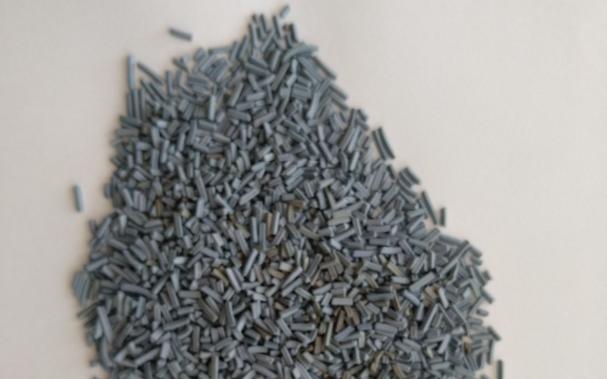
Catalysts for hydrogenation and hydrocracking processes are designed to promote the addition of hydrogen to unsaturated hydrocarbons. Common materials include nickel, palladium, and platinum, often supported on materials like alumina.
4. Other Specialized Catalysts
In addition to the primary catalysts, various specialized catalysts are used for specific reactions:
- Phosphoric Acid-Silica Catalysts: Used in olefin oligomerization processes to produce valuable chemicals.
- Sulfuric or Hydrofluoric Acid Catalysts: Employed in alkylation processes to produce high-octane gasoline components.
- Platinum-Zeolite Catalysts: Used in hydrocarbon isomerization to improve fuel quality.
- ZSM-5 Molecular Sieves: Utilized in diesel dewaxing to improve the cold flow properties of diesel fuels.
Advancing Petroleum Refining Through Integrated Equipment & Chemical Expertise
The efficiency of modern petroleum refining depends on the high compatibility among the chemical reaction mechanism, the performance of catalysts, and the engineering design of equipment. From high-pressure cracking, hydrogenation treatment to precise distillation, precisely controlling the reaction path is the core for increasing product yield, improving oil quality, and meeting global ultra-low sulfur emission standards (such as Euro VI and Tier 3).
In response to increasingly strict environmental regulations and the constantly changing energy demands, the oil refining industry is accelerating its transformation towards higher process intensification, higher thermal efficiency, and longer equipment lifespan. This not only requires standard industrial hardware, but also requires high-performance customized solutions that match the specific characteristics of raw materials and reaction kinetics.
PurePath: Specializing in refining oil and waste oil regeneration technologies
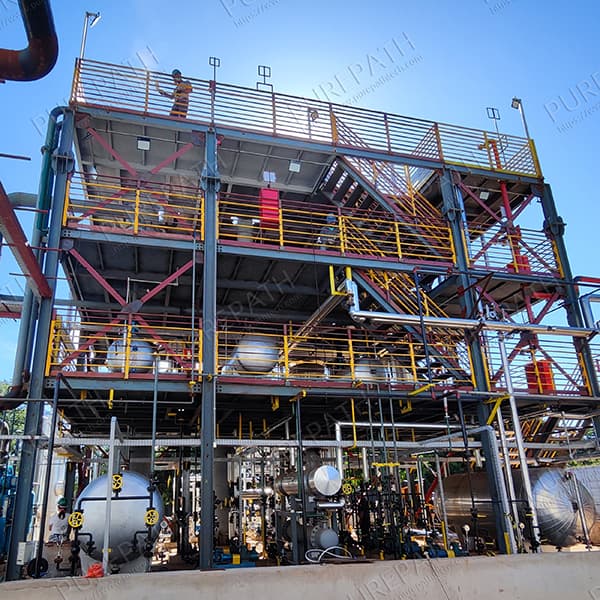
PurePath integrates petrochemical engineering chemistry and advanced equipment design seamlessly. Whether it’s a new project or an upgrade of an existing factory, we can provide customized crude oil distillation units (CDUs), hydrotreating units, and oxidation desulfurization (ODS) systems to ensure the long-term safe, stable, and continuous operation of the equipment.
Do you need customized equipment or technical support?
Please feel free to contact the PurePath technical team ([email protected]) to discuss your project requirements with our experienced engineering experts.