
Purification of Crude Oil and Its Impact on the Petroleum Refining Industry
Written By: Mr.Ran
Senior Petrochemical & Waste Oil Recycling Engineer
Deeply involved in the design, manufacturing, and optimization of various waste oil recycling and petrochemical equipment, delivering practical and efficient solutions for clients worldwide.
Crude oil, in its continuous extraction from reservoirs, contains various impurities, including water, salts, and heavy metals. The purification of crude oil is the foundational prerequisite before entering atmospheric or vacuum distillation units.
As a premier global vendor specializing in Large-to-Medium-Scale Waste & Crude Oil Distillation Plants, PurePath engineers advanced thermal separation and chemical treatment technologies to maximize the efficiency of this critical phase. Proper purification directly dictates the yields of high-value fractions like diesel, gasoline, and base oils while mitigating equipment corrosion.
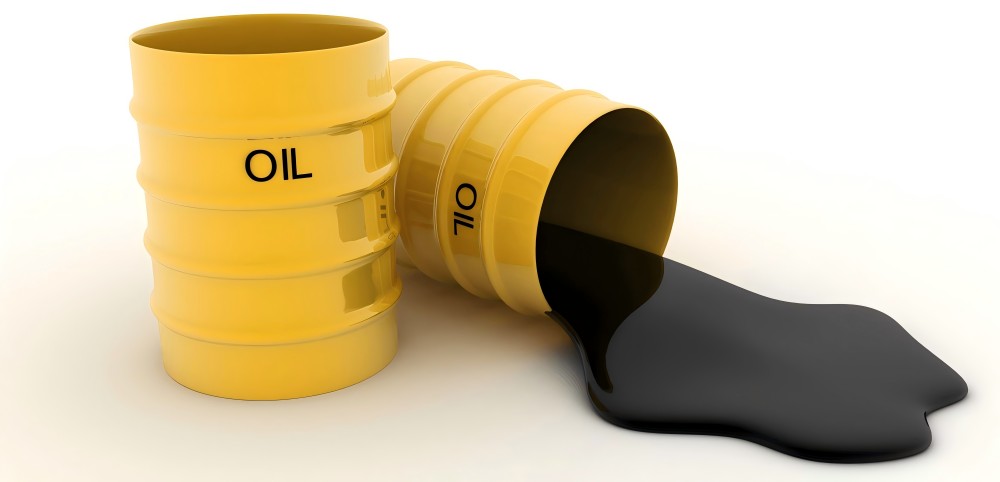
What is Crude Oil Purification?
Crude oil purification refers to the physical and chemical processes employed to remove impurities from crude oil. These impurities include water, salts, asphaltenes, sulfur compounds, nitrogen compounds, oxygen compounds, and various metallic impurities. The goal of purification is to enhance the quality and stability of crude oil, making it suitable for refining and chemical processing.
Purification is not merely about cleaning the oil; it involves altering the chemical composition of crude oil to meet the stringent requirements of refining processes. The purified crude oil ensures smoother refining operations, reduces wear and tear on equipment, and improves the overall efficiency of the refining process. Moreover, the development of advanced crude oil purification technologies plays a vital role in enhancing the comprehensive utilization efficiency of crude oil while minimizing environmental pollution.
What Impurities Need to be Removed in Crude Oil Purification?
Crude oil, in its natural state, contains a variety of impurities that must be removed to prevent damage to refining equipment, ensure product quality, and reduce environmental impact. The most common impurities in crude oil include:
| Impurity Type | Description | Impact | Removal Importance |
| Sulfur Compounds | Highly corrosive; produce sulfur dioxide (SO₂) and sulfur trioxide (SO₃) when burned. | Contributes to acid rain, damaging ecosystems, human health, and infrastructure. | Essential for environmental protection and equipment longevity. |
| Oxygen Compounds | Often acidic, causing corrosion in refining equipment. | Destabilizes petroleum products and leads to corrosion. | Critical for maintaining refining process integrity and high-quality end products. |
| Nitrogen Compounds | Typically alkaline, causing catalyst poisoning during refining. | Reduces catalyst efficiency, increases operational costs. | Key for preserving catalyst activity and refining efficiency. |
| Metallic Impurities | Includes metals like arsenic, nickel, and vanadium. | Reduces catalyst efficiency, and increases operational costs. | Crucial for refining efficiency and environmental safety. |
| Water Content | Harmful to refining catalysts, increases maintenance costs, and poses environmental and health risks. | Forms emulsions, complicating refining processes. | Effective dehydration is critical for product quality and refining stability. |
| Mechanical Impurities | Includes plant fibers, debris, and solid particles. | Causes blockages and damage to refining equipment. | Important for ensuring smooth operation and extending machinery lifespan. |
| Colloidal Impurities | Includes phospholipids, proteins, and sugars. | Accelerates oxidation and degradation of oil products. | Removed to stabilize oil and improve shelf life. |
| Fatty Impurities | Includes free fatty acids, pigments, and waxes. | Undesirable in petroleum products, affects appearance and performance. | Removed through chemical refining to enhance final product quality. |
| Other Impurities | Includes pesticide residues and trace metals. | Toxic, posing significant risks to health and the environment. | Advanced techniques are essential for ensuring safety and product quality. |
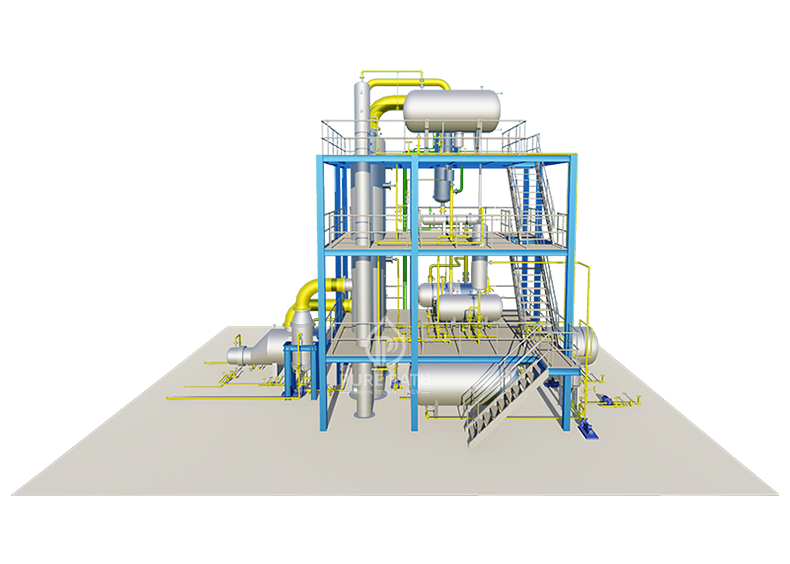
What are the Common Crude Oil Purification Processes?
The purification of crude oil involves a variety of processes, each tailored to remove specific impurities and improve the overall quality of the oil. Some of the most commonly used purification processes include:
Electrical Dehydration Process
Uses electric fields to coalesce and settle water droplets in crude oil.
settle water droplets in crude oil.
- Highly effective for initial water removal;
- Utilizes electrostatic forces for efficient separation.
Thermochemical Dehydration Process
Involves heating crude oil to separate oil and water based on density differences.
and water based on density differences.
- Effective for high-water-content crude oil;
- Vaporizes water for stable, dehydrated oil.
Molecular Sieve Dehydration Process
Employs molecular sieves to adsorb water molecules from crude oil.
- Highly efficient;
- Selectively captures water, ideal for situations requiring high dehydration levels.
Microwave Radiation Dehydration Process
Utilizes microwave energy to break emulsions and remove water.
- Known for short processing time and low energy consumption;
- Effective in crude oil purification.
Microbial Dehydration Process
Uses microorganisms to break emulsions and dehydrate crude oil.
- Environmentally friendly;
- Lowers chemical use, costs, and environmental impact.
Crude Oil Stabilization Process
Involves heating and flashing to stabilize light fractions of crude oil.
- Reduces evaporation losses during storage and transportation;
- Enhances crude oil utilization.
Catalytic Cracking Process
Converts heavy crude oil into lighter hydrocarbons like gasoline and diesel.
- Increases yield of high-demand products, adding value to crude oil;
- Critical in the refining process.
Types of End Products from Purified Crude Oil
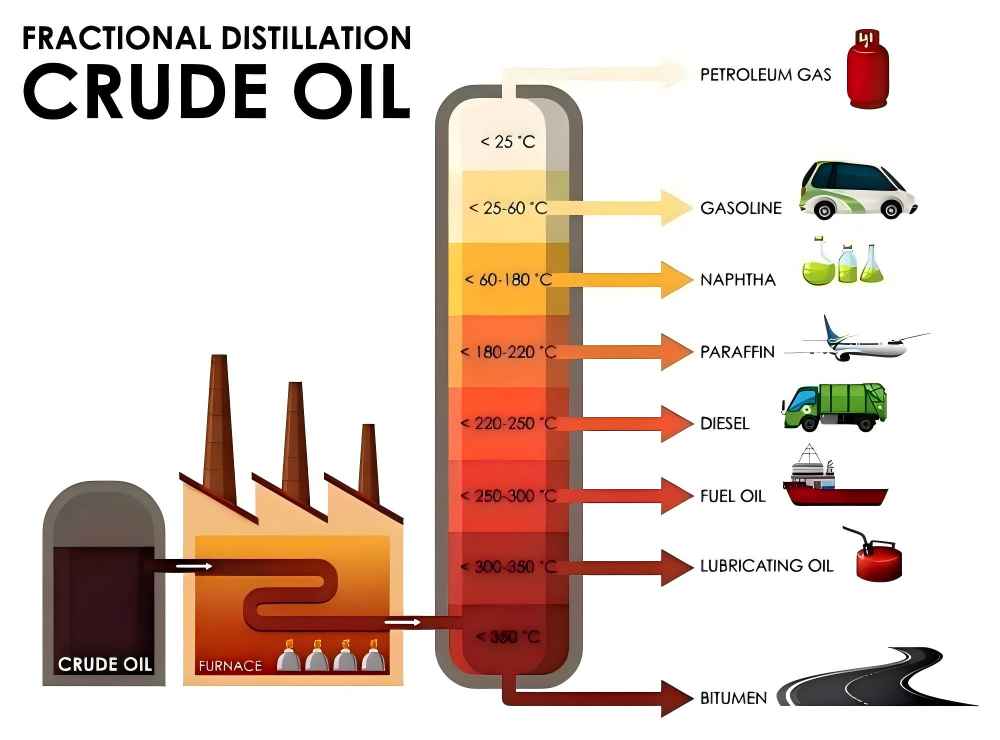
Once crude oil has been purified, it can be refined into a wide range of end products, each serving different industries and applications. The primary categories of crude oil end products include:
1. Fuels
Fuels make up the largest portion of all refined crude oil products. This category includes everyday essentials like gasoline, diesel, jet fuel, kerosene, and heavy fuel oil. Its primary role is powering global transportation—from passenger vehicles to commercial aviation—while also driving heavy industrial operations and supplying energy for household heating.
2. Lubricants and Greases
Specifically formulated to reduce friction and minimize wear in mechanical systems, this category covers vital industrial fluids like engine oil, hydraulic oil, and gear oil. These products are indispensable for maintaining vehicles, factory machinery, and heavy equipment, ensuring long-term operational efficiency and asset protection.
3. Waxes, Asphalt, and Petroleum Coke
These represent the heavier, specialized byproducts of the refining process. Waxes are commonly utilized in candle making, electrical insulation, and protective packaging. Asphalt serves as the literal foundation for global road construction and infrastructure projects, while petroleum coke plays a critical role in carbon electrode production for heavy manufacturing.
4. Petrochemical Products
Derived through the advanced chemical processing of raw crude oil, petrochemicals yield essential chemical building blocks like ethylene, propylene, and various aromatics. These elements serve as the raw material backbone for manufacturing everyday products, including plastics, synthetic rubber, synthetic fibers, industrial solvents, and agricultural fertilizers.
5. Gaseous Products
Mainly consisting of byproducts like propane and butane, these gases are captured during the refining sequence. They are widely utilized as clean-burning fuels for commercial heating and cooking, while also serving as crucial process fuels and feedstocks across various industrial and chemical manufacturing lines.
Industrial Engineering Standards in Crude Oil Purification
To comply with the strict international environmental and operational guidelines, current refineries need to regulate certain operational parameters during the purification process:
- Desalting Temperature Control: PurePath’s commercial designs achieve optimum electrostatic desalting through exact temperature control (between 110 and 140 degrees Celsius), resulting in very low water-in-oil emulsion levels.
- International Regulatory Compliance: All distillation and purification systems designed by PurePath fully comply with the international pressure vessel regulations (ASME – Section VIII), API 610/650 for the petroleum industry, and are CE certified for European applications.
- Catalysis and Solvent Effectiveness: Using solvent extraction methods along with the fractional distillation method ensures the complete elimination of heavy polycyclic aromatic hydrocarbons (PAH).
The Role of Crude Oil Purification in the Petroleum Refining Industry
Crude oil purification plays a pivotal role in the petroleum refining industry by ensuring that the raw material fed into the refining process is of the highest possible quality. Purification enhances refining efficiency, reduces operational costs, and extends the lifespan of refining equipment by minimizing the presence of harmful impurities.
Moreover, the development of advanced purification technologies has led to significant environmental benefits. By removing sulfur, nitrogen, and other pollutants from crude oil, refineries can produce cleaner fuels and reduce emissions, contributing to a more sustainable energy future.
Technological advancements in crude oil purification, such as the use of molecular sieves, microwave radiation, and microbial methods, have also improved the overall efficiency and effectiveness of the purification process. These innovations have enabled refineries to meet increasingly stringent environmental regulations while maximizing the yield of valuable end products.
In summary, crude oil purification is a critical step in the petroleum refining process, ensuring that crude oil is of the necessary quality for efficient and effective refining. By removing impurities such as sulfur, nitrogen, metals, and water, purification processes protect refining equipment, enhance product quality, and contribute to environmental sustainability.