
How to Reduce Energy Consumption in a Crude Oil Distillation Unit?
Written By: Mr.Ran
Senior Petrochemical & Waste Oil Recycling Engineer
Deeply involved in the design, manufacturing, and optimization of various waste oil recycling and petrochemical equipment, delivering practical and efficient solutions for clients worldwide.
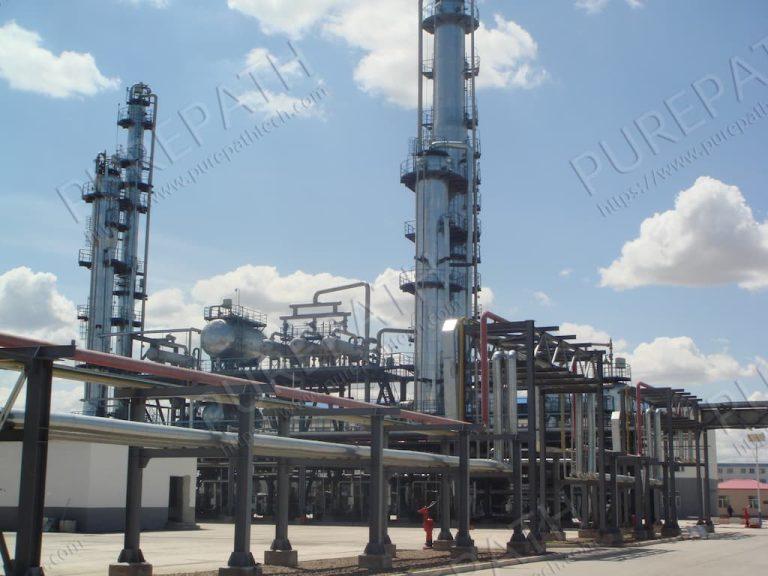
The crude oil distillation unit (CDU) is one of the most energy-intensive units in a refinery. Heating the crude oil, separating the fractions, and maintaining the stability of the tower all require a significant amount of fuel and steam. Therefore, the CDU is also one of the main sources of energy consumption in the refinery.
The good news is that reducing energy consumption usually does not require a complete overhaul of the unit. By focusing on identifying the areas with heat loss and over-supply of heat, energy-saving opportunities can be found.
Here are several practical energy-saving methods for the crude oil distillation unit.
1. Improve the Crude Preheat Train
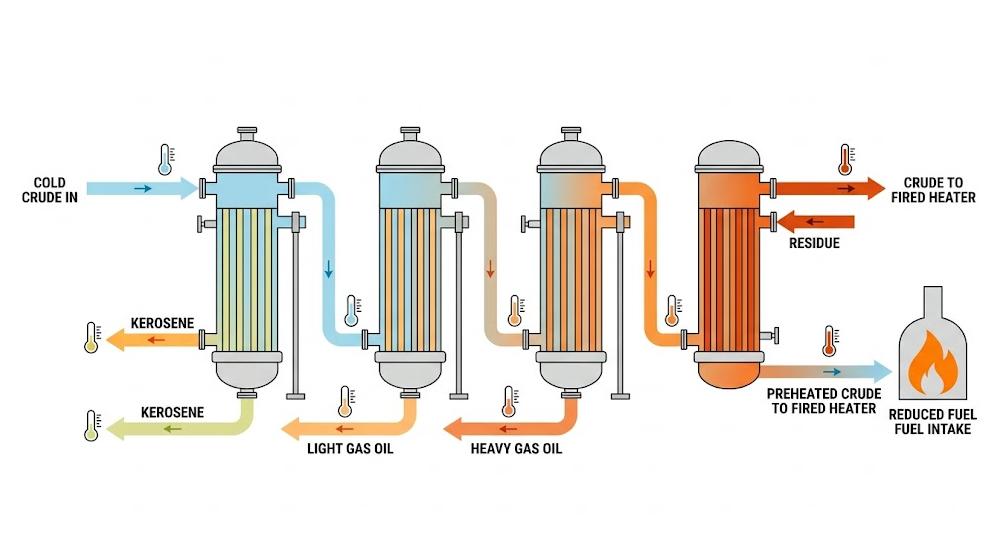
The crude oil preheating system is the primary object of inspection.
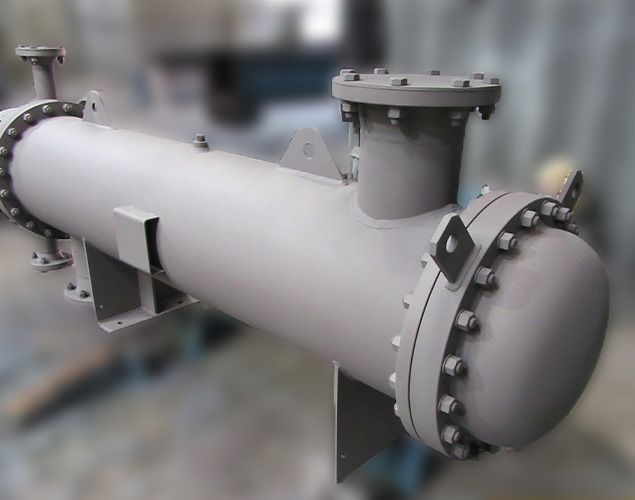
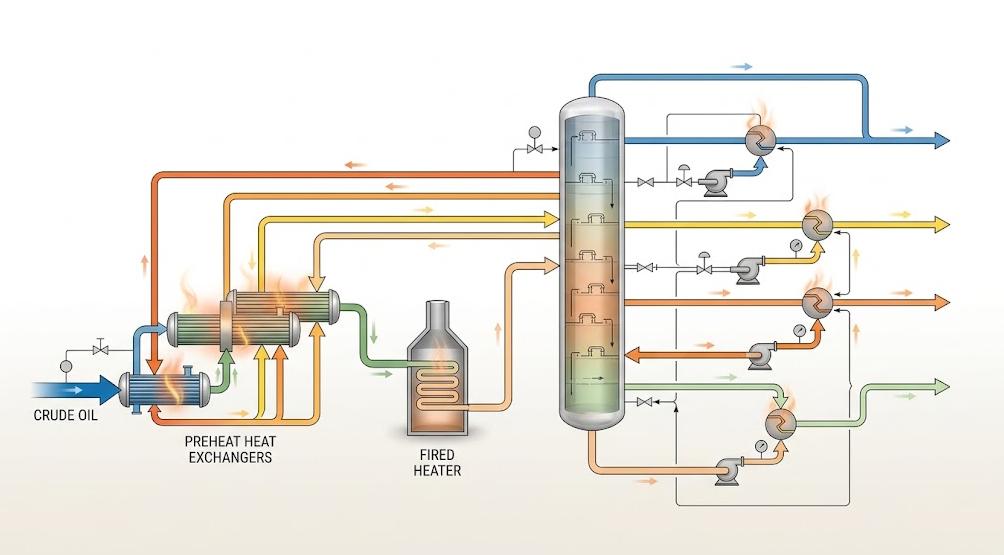
Before the crude oil enters the heating furnace, it passes through multiple heat exchangers, where it is preheated using the hot product flow, the circulating reflux flow (pump-around flow), and other process flows. The more heat is recovered, the less fuel is required for the heating furnace. If the performance of the preheating system declines, the heat load of the heating furnace will also increase significantly.
To improve the performance of the preheating system, the following key tasks should be focused on:
- Regularly check the outlet temperature of the heat exchangers.
- Monitor the heat transfer performance of the heat exchangers and promptly identify equipment with a decrease in heat load.
- Optimize the flow arrangement of cold and hot fluids.
- Clean the heat exchangers in a timely manner when they are severely clogged.
- If economically feasible, increase heat recovery measures.
Thermal integration and pinch point analysis are common methods for reducing the heat utility requirements of the atmospheric and vacuum distillation unit (CDU). The core principle is simple: Before introducing new heat, prioritize the recovery and full utilization of existing heat.
Read more: What Are the Process of Crude Oil Distillation?
2. Optimize Furnace Operation
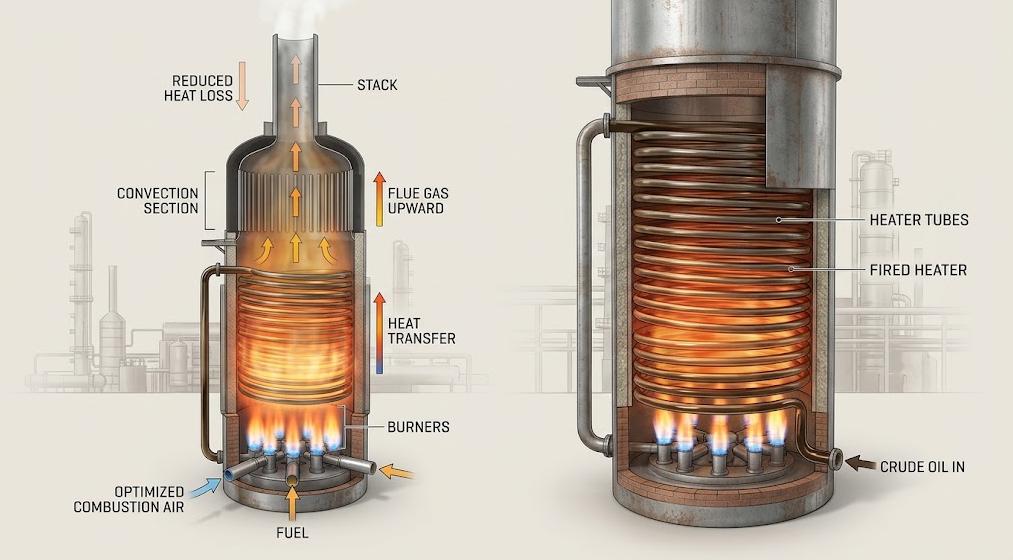
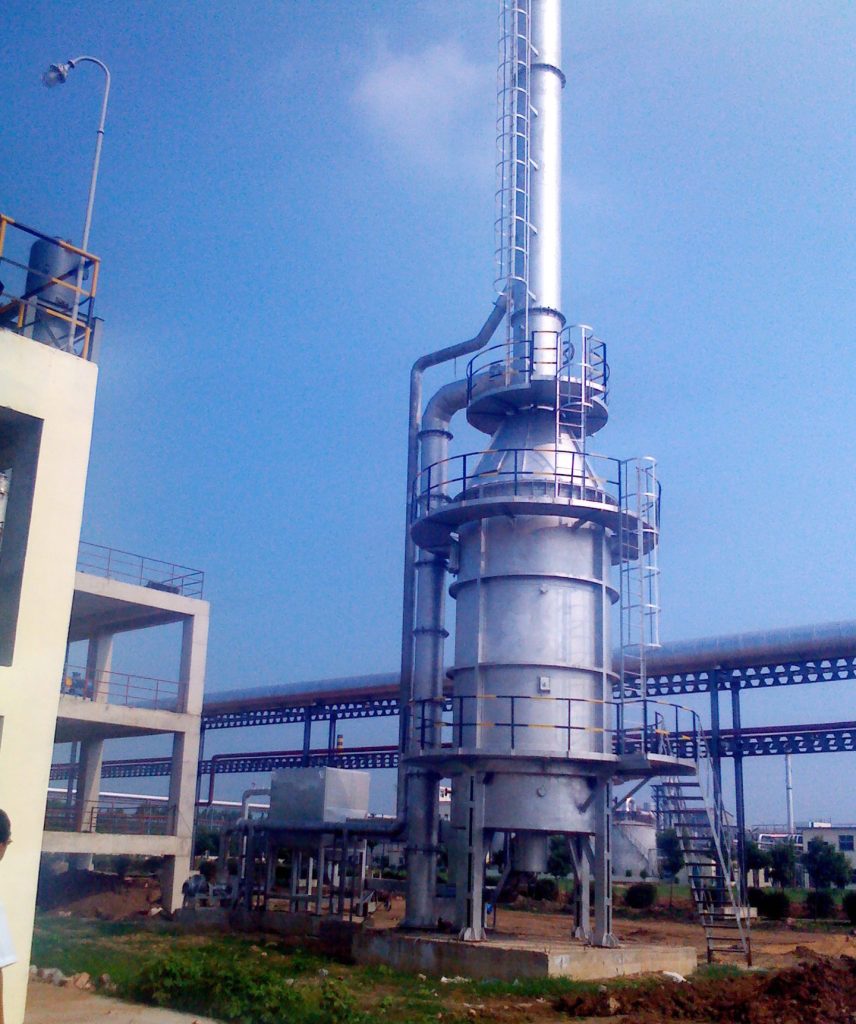
The crude oil heating furnace is another major energy-consuming equipment.
Its goal is not only to enhance the heating capacity, but also to provide the required heat with the lowest fuel consumption while ensuring that the export temperature of the crude oil meets the standards.
Operators should closely monitor the following parameters:
- Heating furnace outlet temperature
- Fuel gas consumption
- Chimney exhaust gas temperature
- Flue gas oxygen content
- Burner performance
- Ventilation condition
- Furnace pressure
If the heating furnace operates under excessive air conditions, it will result in more high-temperature exhaust gas being discharged through the chimney, causing energy waste.
Conversely, if the combustion air is insufficient, it may lead to incomplete combustion and operational risks.
Therefore, the combustion process should be properly controlled, rather than simply reducing the air supply.
The energy efficiency guidelines for industrial heating furnaces state that excessive air and high exhaust gas temperatures are the main factors causing heat loss.
3. Reduce Excess Air and Stack Heat Loss
A simple check of the heating furnace’s efficiency can sometimes reveal immediate energy-saving opportunities.
If the oxygen content in the flue is higher than the required level, the heating furnace may be heating excessive air, which will eventually be expelled with the flue gas. Higher flue temperatures also mean that more useful heat is being released into the atmosphere.
The following aspects can be focused on for optimization:
- Burner adjustment
- Supplemental air control
- Oxygen content monitoring
- Furnace ventilation (draft) control
- Flue gas waste heat recovery
- Regular inspection of the heating furnace’s heat transfer surfaces
The key is to maintain stable combustion while minimizing unnecessary heat loss.
4. Control Stripping Steam
In the crude oil distillation tower, steam is used to reduce the vapor pressure of hydrocarbons and improve the separation effect.
However, more steam is not necessarily better. Excessive stripping steam will increase steam consumption and also raise the gas load for downstream condensation and treatment.
The actual steam demand mainly depends on:
- The composition of crude oil
- Product Specifications
- Tank pressure
- Separation requirements
- Operating temperature
- The hydraulic characteristics of the existing tower
In the optimization study of the crude oil distillation unit (CDU), the amount of stripping steam is one of the important operational variables. In actual operation, the steam consumption should be reasonably controlled while meeting the separation requirements, to avoid unnecessary steam consumption.
5. Optimize Pump-Around Systems
Pump-around circuits provide heat removal from the atmospheric column and are an important part of CDU heat integration.
Instead of simply treating pump-around duties as fixed operating values, refineries can evaluate whether the current flow rates and temperature drops are properly matched with the crude preheat system.
A better match can increase heat recovery and reduce the demand for external utilities.
Operational optimization of pump-around duties, temperature drops, product flow rates, and furnace outlet temperature has been studied as part of integrated CDU energy optimization.
6. Control Heat Exchanger Fouling
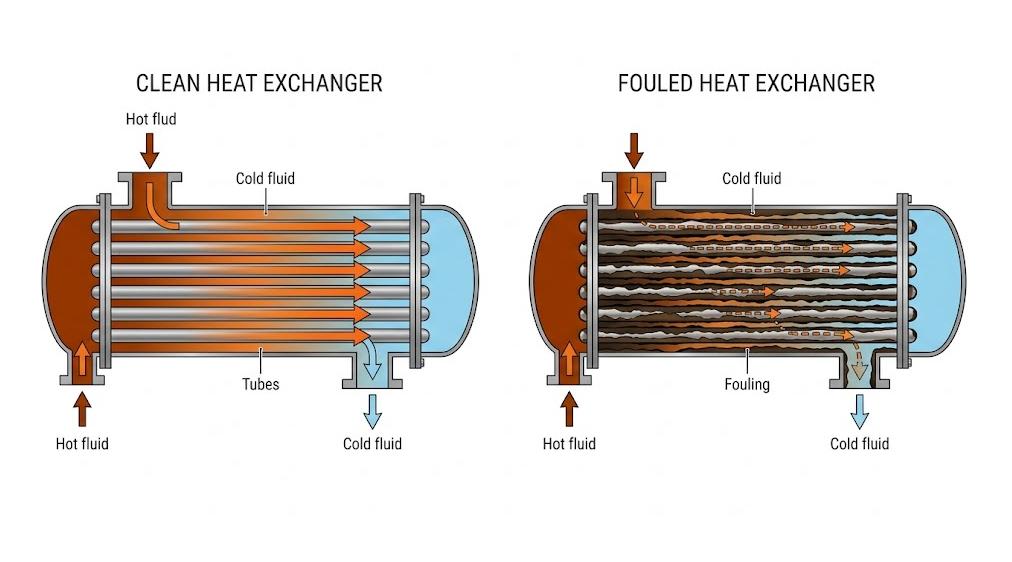
Fouling is a common cause of the gradual increase in energy consumption of the preheating system. After deposits accumulate on the heat transfer surface, the heat transfer efficiency decreases, resulting in a lower temperature of the crude oil entering the heating furnace, and thereby increasing the heat load of the heating furnace.
The impact can be summarized as follows:
Increased Fouling → Reduced heat recovery → Lower preheating temperature of crude oil → Increased fuel consumption of the heating furnace.
Therefore, the performance of the heat exchanger should be continuously monitored instead of dealing with it only when the efficiency drops significantly. Regular monitoring and cleaning based on the actual operating conditions can help maintain the heat transfer efficiency. Research on heat exchangers in relevant refineries also indicates that crude oil scaling affects the thermal and hydraulic performance of the equipment.
7. Consider Preflash and Better Heat Integration
For some crude oil distillation units (CDUs), pre-flash tanks or other pre-separation facilities can reduce the amount of material entering the main heating furnace that needs to be fully heated.
However, pre-flash should not be considered in isolation. During the assessment, the pre-flash system, heating furnace, fractionating tower, heat exchanger, and steam system should be analyzed as a whole.
A recent study shows that in simulation cases, when the pre-flash system and heat integration are coordinated for optimization, the thermal load of the atmospheric heating furnace decreases by 8.95%, and the total consumption of thermal utilities reduces by 7.38%. The specific effect will vary depending on the type of crude oil and the configuration of the unit, but this case demonstrates that system-level optimization can bring additional energy-saving potential.
Final Takeaway
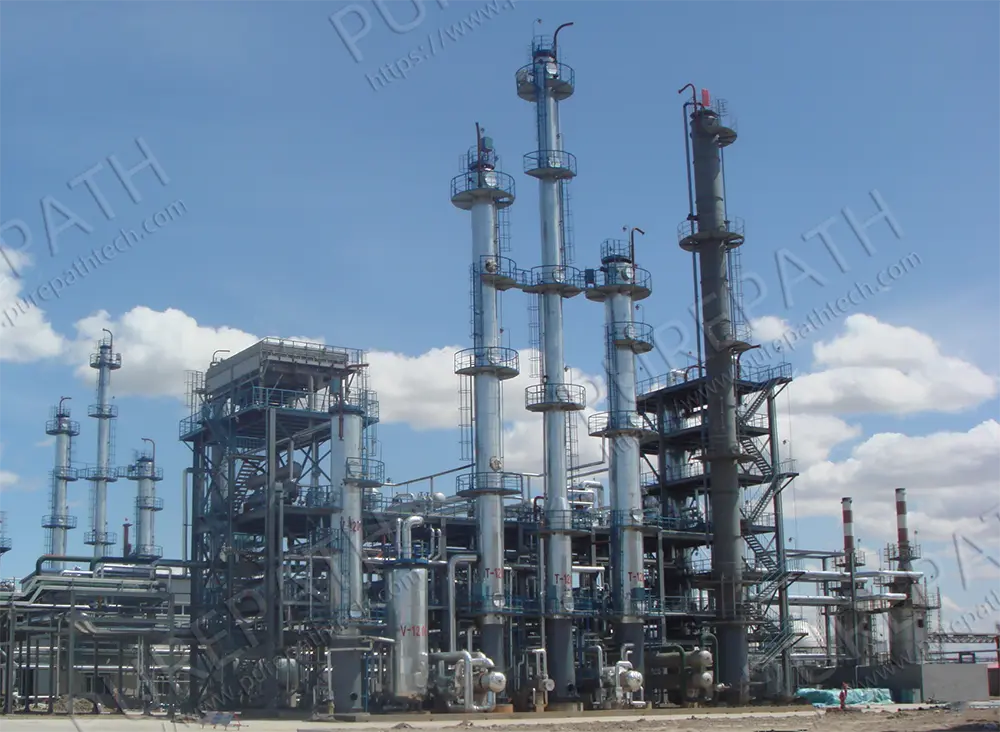
Reducing CDU energy consumption starts with better heat recovery and tighter process control. Focus on the crude preheat train, fired heater, steam consumption, pump-around system, and heat exchanger performance to reduce unnecessary energy use.
For new units and revamps, these factors should be considered together during the design stage. PurePath provides crude oil atmospheric and vacuum distillation units, fired heaters, and heat exchangers, helping refineries build efficient and reliable process systems with integrated heat utilization in mind.