
Hydrocracking Process: Key Advantages and Disadvantages for Modern Refineries
Written By: Mr.Ran
Senior Petrochemical & Waste Oil Recycling Engineer
Deeply involved in the design, manufacturing, and optimization of various waste oil recycling and petrochemical equipment, delivering practical and efficient solutions for clients worldwide.
As worldwide fuel requirements become stricter, and with crude oil becoming more and more difficult to refine, fuel refineries are having to invest more and more in overhauling more complex, heavier products into cleaner and more profitable end-products.
Of the solutions and technologies on the market, hydrocracking stands out the most, and is the answer to most operators looking to comply with modern regulations for deeper conversion and higher flexibility in products.
This article discusses the functionality of the hydrocracking process, the importance of hydrocrackers, and the main benefits and challenges of advanced upgrading technologies that refineries need to take into consideration before purchasing and investing in hydrocracking technology.
Hydrocracking Process in Modern Petroleum Refining
The hydrocracking processes convert heavy and low-value feedstocks into diesel and other high-value products. It is crucial in petroleum refining. With the increasing demand for low-sulphur fuel and stricter regulations on fuel emissions, hydrocracking is pivotal for economic optimisation and environmental compliance for refineries.
The process uses high-pressure hydrogen along with certain catalysts to crack larger hydrocarbon molecules. This way, refineries can process difficult-to-handle feedstocks like deasphalted oils. Hydrocracking performs with better efficiency, better selectivity, and better overall product consistency when compared to other forms of catalytic cracking.
How a Hydrocracker Unit Works
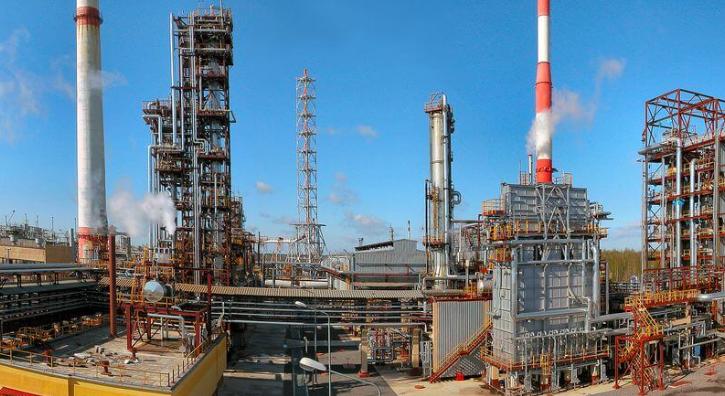
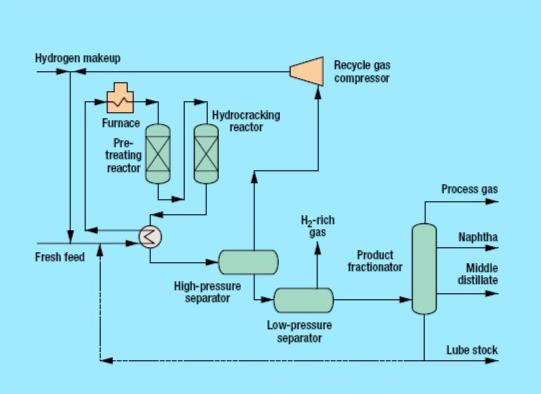
Current hydrocrackers are designed to convert heavier and more complex petroleum components into economically more desirable and lighter products. Integration of several processing steps achieves this:
- Feed Pre-Treatment: Removal of sulphur, nitrogen and metals from the feed stream to protect catalysts and maintain stable operating conditions. Elimination of poisons increases catalysts’ lifetime and operational efficiency.
- Reaction at Elevated Pressure: Heavier molecules are converted into lighter products in the presence of catalysts under higher than atmospheric pressure of hydrogen and elevated temperature. The configuration is usually single stage; however, in cases when products’ selectivity needs tailoring due to market demand, two-stage designs are more desirable.
- Separation and Fractionation: Cooled reactor effluent is separated into hydrogen and liquid components. The gaseous hydrogen is recycled, while liquids are subsequently separated into desired products: diesel, kerosene, naphtha, and unconverted oils.
- Integration with Other Refinery Units: The hydrocracker unit is integrated with hydrotreaters, hydrogen production units, and others to maximise marketable products and fully utilize operational flexibility.
With this high degree of operational flexibility, hydrocracker units allow refineries to process more complex feedstocks while producing cleaner fuels and increasing profits.
Key Advantages of the Hydrocracking Process for Refinery Profitability
The hydrocracking process provides a series of operational and economic advantages which result in making hydrocracking strategically important in today’s petroleum refining. Hydrocracking helps improve the environmental performance of refineries and assists in maximising refinery margins by converting heavy feedstocks into lighter and more valuable products. Hydrocracking has the following advantages:
- Deep Conversion of Heavy Feedstocks: Hydrocracking aids in the deep conversion of vacuum gas oils and other difficult strands rather than just minor conversion, which conventional methods would perform to improve overall yield and product recovery.
- Production of Clean, High-Quality Fuels: Ultra-low sulphur diesel, high-cetane distillates, and low-aromatic kerosene fuels result from the process. These fuels have ultra-low sulphur and high cetane numbers and therefore meet the latest global fuel specifications and regulations.
- Product Flexibility: Hydrocrackers can change the catalysts of oil and operational conditions in units to modulate the production of diesel, jet fuels, naphtha or special base oils that suit the needs of the market.
- Lower coke formation: Hydrocracking uses a hydrogen-rich environment, which results in lower coke formation and lower maintenance needs than conventional catalytic cracking.
- Improved refinery margin: Hydrocracking improves margin by enhancing low-value streams into premium products.
The hydrocracking process has the perfect combination of high conversion efficiency, operational flexibility, and excellent product quality, which provides a cornerstone for the competitiveness of the refining industry.
Limitations and Disadvantages of the Hydrocracking Process
Before a refinery decides to invest in a hydrocracker unit, a consideration of the advantages and disadvantages of the hydrocracking process must take place.
- In regards to disadvantages, the primary concern is the capital cost. Hydrocracking units require large and complex equipment such as high-pressure reactors, advanced metallurgical machinery, and large hydrogen supply systems. This leads to a larger investment cost compared to other upgrading technologies.
- There will also be significant operational expenses due to the large quantities of hydrogen needed to complete both the saturation and cracking reactions. Additionally, there is complexity associated with the catalysts that are required. Input impurities such as sulphur, nitrogen, or metals can cause the catalysts to deactivate quickly and necessitate more frequent maintenance. Moreover, the process operates under very high temperatures and pressures, which is why there must be highly trained staff and strict safety measures in place.
- Lastly, the existing configuration of the refinery must be taken into consideration. There is a possibility of not being able to reach the unit’s full potential if sufficient hydrogen is not supplied, if there are issues with the handling systems for the gas, or if there is not enough equipment/unit downstream.
Even though there are a large number of challenges with hydrocracking, due to the economic and operational benefits that are associated with hydrocracking, many refineries do not view these challenges in the same way as they do with other processes.
Hydrocracking vs Hydrotreating Process
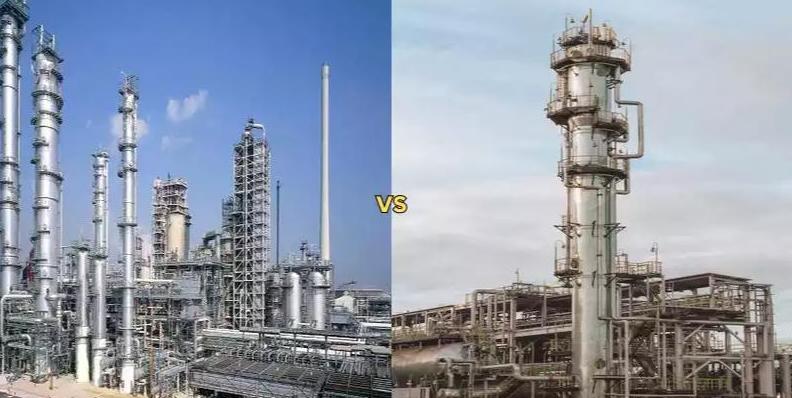
Even though hydrocracking and hydrotreating are often grouped together, they have different functions in refinery operations. The goal of hydrotreating is to remove impurities, such as sulphur, nitrogen, and metals, from the feedstocks, while causing almost no change to their molecular structure. As for hydrocracking, the impurities are removed while also completely changing the structure of the heavy hydrocarbon molecules into high-value, lighter products.
Recognising the differences enables the refinery to determine situations where it is necessary to install a hydrocracker unit and other circumstances where it is acceptable to install just a hydrotreating unit. The table below summarises the main differences between these two processes:
| Feature | Hydrocracking Process | Hydrotreating Process |
| Purpose | Convert heavy molecules into lighter products while improving quality | Remove impurities (sulfur, nitrogen, metals) without significant cracking |
| Hydrogen Usage | High, for both cracking and saturation | Moderate, mainly for impurity removal |
| Operating Conditions | High temperature and high pressure | Moderate temperature and pressure |
| Products | Diesel, jet fuel, naphtha, base oils | Same molecular weight as feed, cleaner fuel streams |
| Flexibility | Adjustable product slate based on market demand | Limited; mainly feed purification |
| Integration | Often combined with hydrotreaters and other units for maximum yield | Can operate standalone or upstream of hydrocracking |
By comparing these processes, you can make informed decisions about where to invest and how to configure units to meet production goals and regulatory requirements.
Conclusion
Nothing surpasses modern refiners’ technology like hydrocracking when it comes to maximising the value of heavy feedstocks and providing clean and top-grade fuel. Hydrocracking combines high pressure and hydrogen with advanced catalysts to deepen conversion and provide the output flexibility to create different products based on the market’s needs.
If your refinery is considering acquiring a hydrocracker, you should work with an experienced Petroleum Refinery manufacturer. At Purepath, we manufacture and provide advanced petroleum refiners and integrated refining systems designed to help meet the desired production performance and goals. For more information on how to optimise your refinery with advanced equipment, visit our product page and contact us: Petroleum Refineries