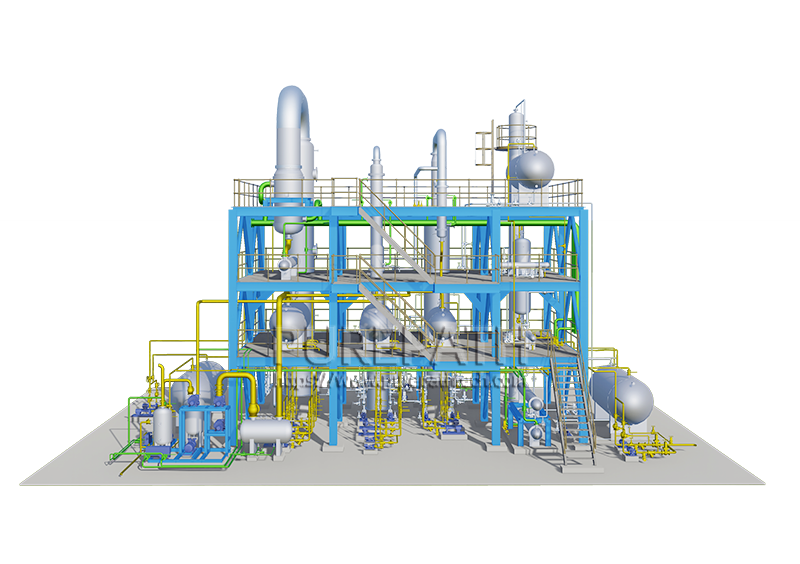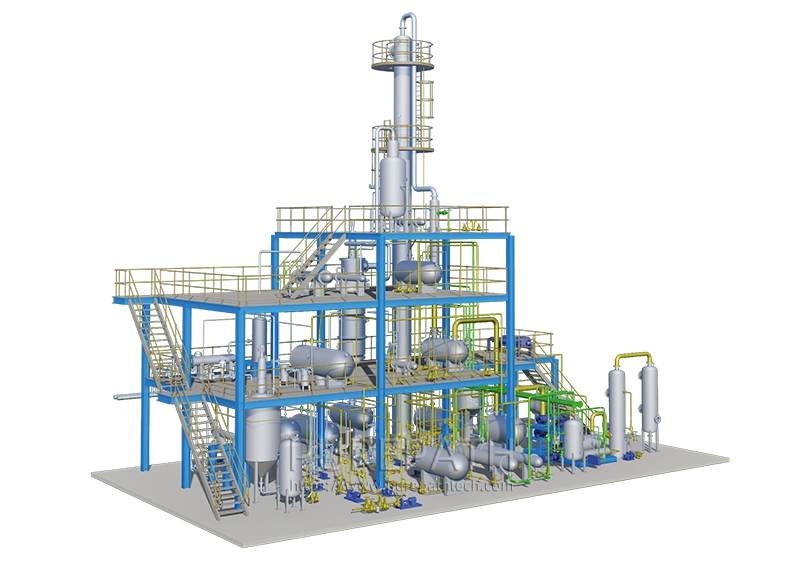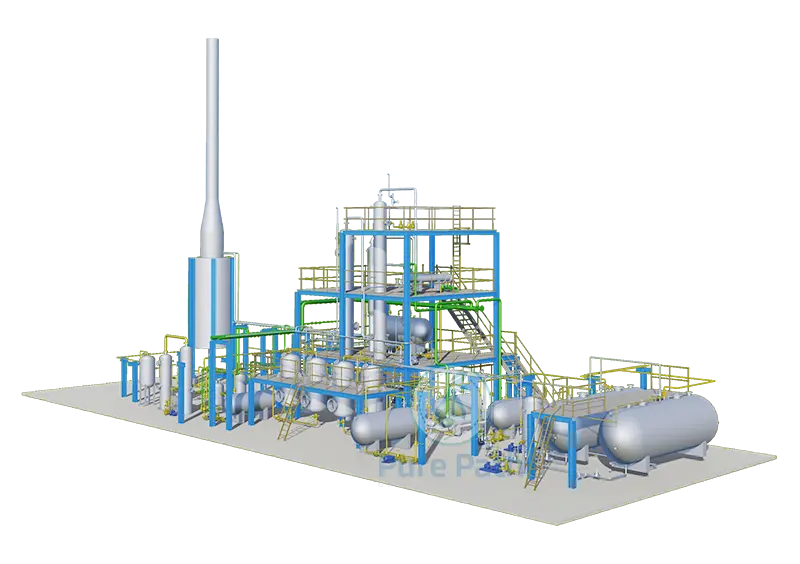

Waste Oil Recycling Plant Cost Breakdown: Equipment, Utilities, and Operating Expenses
Written By: Mr.Ran
Senior Petrochemical & Waste Oil Recycling Engineer
Deeply involved in the design, manufacturing, and optimization of various waste oil recycling and petrochemical equipment, delivering practical and efficient solutions for clients worldwide.
When you budget for a waste oil recycling plant, you need to think beyond the price of equipment. The total project budget also includes installation, utilities, site preparation, environmental controls, and operating costs.
The difficulty for buyers is to understand what the suppliers quote. The equipment may be cheaper, but major costs could be omitted from the contract.
In this guide, we review the key elements of a waste oil recycling plant cost, point out common omissions in quotes from suppliers for equipment, and offer a functional checklist for reviewing equipment quotes.
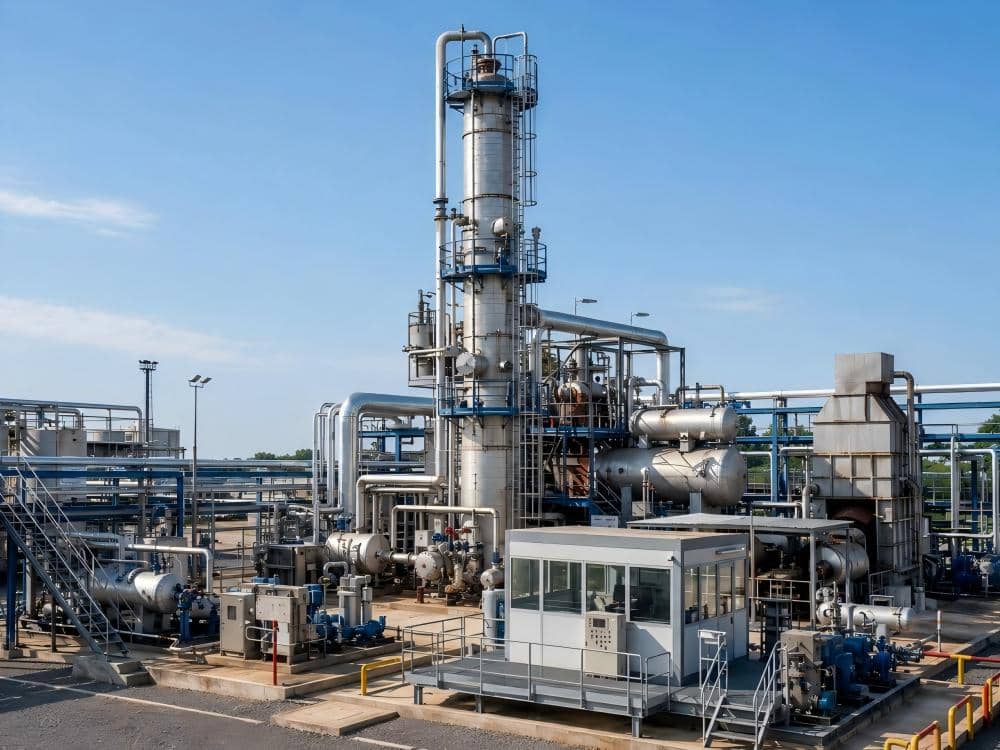
What Is Included in a Waste Oil Recycling Plant Cost?
The total cost of a waste oil recycling plant includes initial project investment and ongoing operating expenses. These two categories should be reviewed separately when evaluating a supplier’s proposal.
Initial investment covers equipment, engineering, installation, and site preparation. Operating expenses cover the resources needed to process waste oil and keep the facility running.
| Cost category | Typical items |
| Process equipment | Pretreatment, distillation, separation, and refining units |
| Auxiliary systems | Pumps, heat exchangers, condensers, and vacuum systems |
| Engineering and installation | Process design, piping, electrical work, and commissioning |
| Site development | Foundations, buildings, drainage, and storage areas |
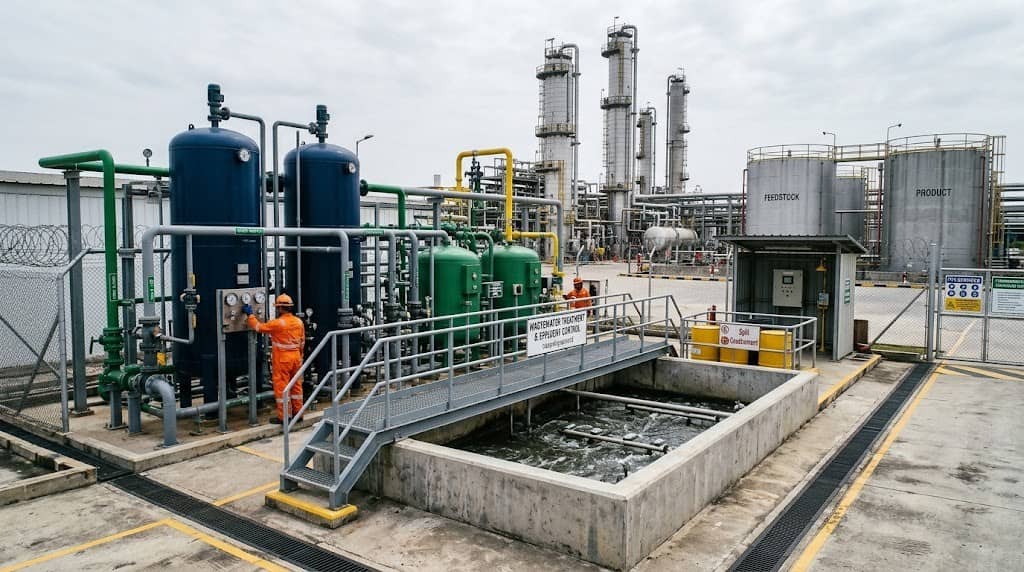
| Environmental controls | Wastewater, off-gas, and residue management |
| Operating expenses | Feedstock, energy, labor, chemicals, and maintenance |
Each supplier does not cover all of these. Some bids include only equipment supply. Others also include engineering, installation supervision, and commissioning. To compare prices, however, the scope of the project must be the same for each. Otherwise, the lowest price for equipment may not be the lowest price for installation.
Which Equipment Has the Biggest Impact on Plant Cost?
The equipment configuration depends on the nature of the feedstock, processing capacity, and desired product. The plant’s process configurations may be different from those of a plant producing diesel range fractions from a plant used for base oil recovery.
1. Pretreatment and Feedstock Handling
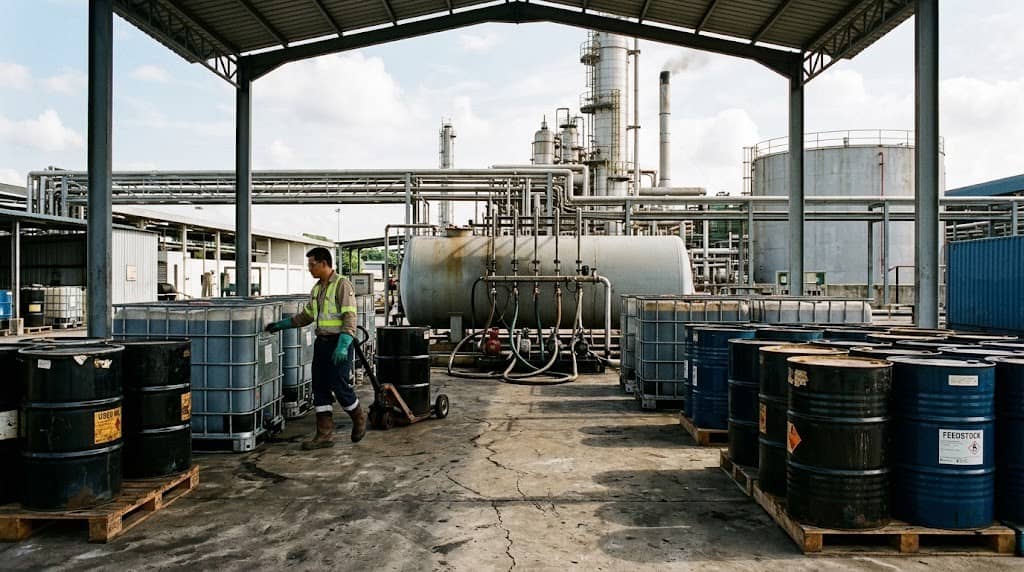
Waste oil may contain water, sediment, soot, degraded additives, and other contaminants. Depending on the feedstock, the plant may need storage tanks, filtration, settling, dehydration, and transfer systems.
Poor feedstock quality can increase pretreatment requirements. It may also affect downstream equipment selection, residue generation, and maintenance planning.
2. Distillation and Refining Systems
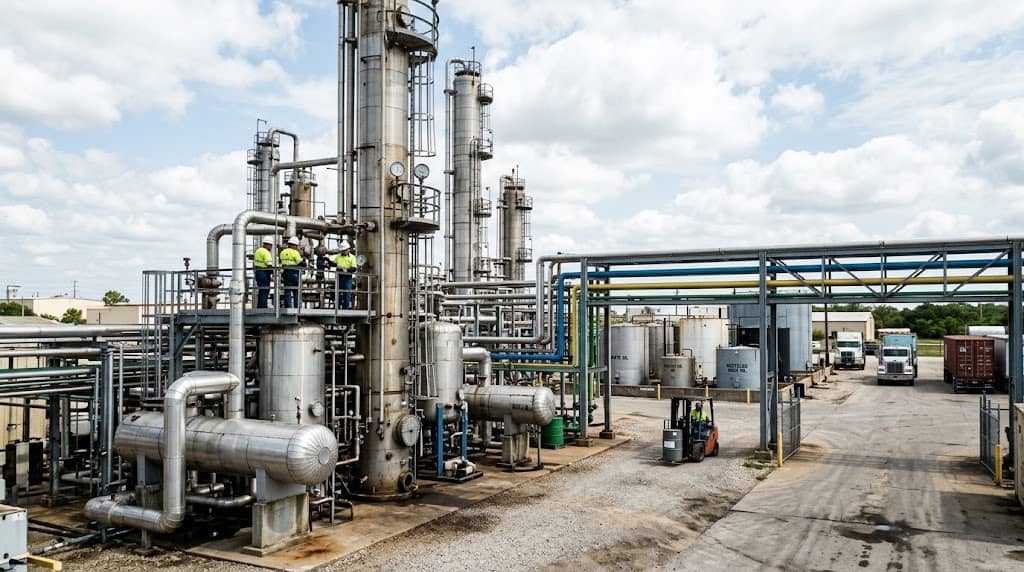
Distillation equipment separates oil fractions under controlled temperature and pressure conditions. Depending on the process design, the plant may use vacuum distillation, fractionation, thin-film evaporation, or other separation technologies.
Additional refining stages may be necessary to meet the target product specifications. For projects focused on lubricating base oil recovery, PurePath’s Waste Oil Recycling Plant page provides an overview of its available processing solutions.
3. Auxiliary Equipment and Automation
The main process units are only part of the system. Heating equipment, condensers, vacuum pumps, heat exchangers, storage tanks, instruments, and control systems also affect the quotation.
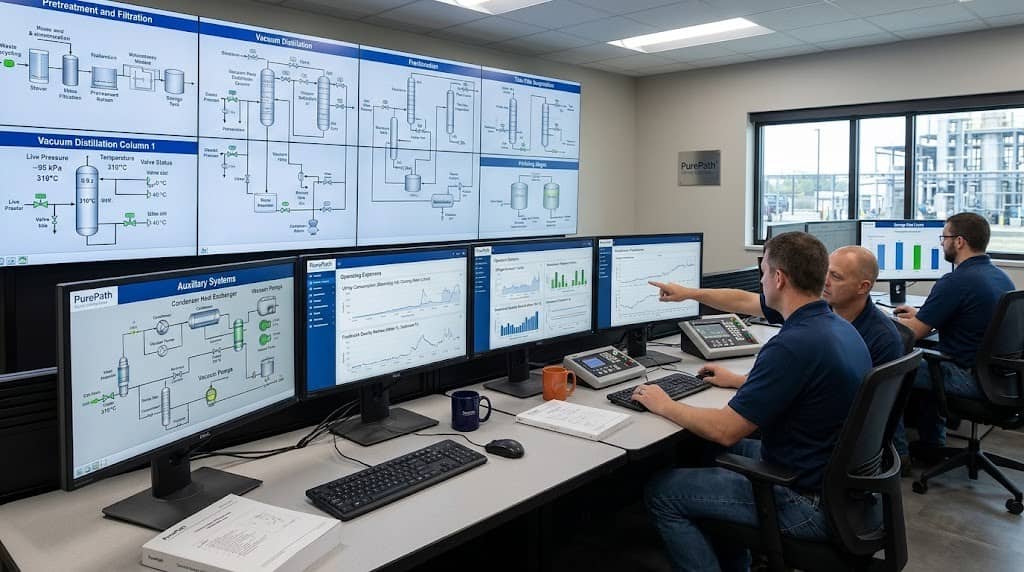
Automation requirements depend on the operating strategy and process complexity. Buyers should confirm which instruments, control functions, alarms, and safety interlocks are included. A detailed equipment list is more useful than a single headline price. Ask the supplier to identify the specifications, purpose, and supply boundaries of each major unit.
How Capacity and Process Design Affect Equipment Costs
Plant capacity is an important cost factor, but equipment costs do not necessarily increase in direct proportion to throughput.
Larger plants may require different column dimensions, heat-transfer areas, pumping capacity, storage volumes, and utility infrastructure. Site conditions and process integration can also change the final project cost.
Three factors deserve particular attention.
- Batch versus continuous processing. Batch systems may suit certain feedstock supply patterns and operating requirements. Continuous systems may be appropriate when feedstock availability and production demand support extended operation. Neither option is automatically cheaper for every project.
- Target product quality. Recovering an oil fraction is not the same as producing base oil that meets a defined specification. Additional separation or refining may be required, depending on the feedstock and product requirements.
- Project delivery scope. An equipment-only purchase differs from an integrated project that includes engineering, installation, commissioning, and supporting systems.
When comparing proposals, use the same feedstock assumptions, design throughput, operating schedule, and product specifications for every supplier. Explore PurePath’s used oil recycling equipment and plant solutions to review the available processing configurations.
Waste Oil Recycling Operating Cost: What Should You Budget For?
The initial equipment purchase is only one part of the financial commitment. A realistic waste oil recycling operating cost assessment should account for feedstock, utilities, labor, consumables, maintenance, and waste management.
Feedstock Procurement
Waste oil purchase prices vary by source, quality, location, and supply agreement. Transport costs can also be high when collection points are widely dispersed.
Water, sediment, and other contaminants affect the amount of usable material entering the process.
Evaluate feedstock on a quality-adjusted basis, not just by purchase price per tonne. Reliable supply and consistent quality can be just as important as the quoted price.
Energy and Utilities
Heating fuel, electricity, cooling water, and other utilities support the process. Actual consumption depends on the process configuration, operating conditions, feedstock properties, and heat recovery arrangements.
Ask suppliers for estimated utility consumption under clearly stated design conditions. Request the calculation basis and supporting operating data where available.
Labor, Chemicals, and Maintenance
The operating costs could include labor, engineers, lab testing, filter media, adsorbents, solvents, catalysts, and replacement parts.
The maintenance needs will be determined by the quality of the raw material, the design of the equipment, operations, and the need to clean or replace components.
Waste Residues and Environment Management
Wastewater, heavy residues, sludge, used adsorbents, and off-gas streams could have to be treated or disposed of properly.
These systems will be dependent upon the particular process and the local environmental standards. The purchaser should verify how these streams will be managed before completing the project budget.
Refer to the U.S. Environmental Protection Agency’s used oil management guidance for more information on the proper handling and recycling of used oil.
Hidden Costs to Check Before Accepting a Supplier Quotation
If the quote contains mainly process equipment, there will be some costs that could be left out. Looking into the cost of such items in advance will help avoid budget gaps and controversies when installing them.
- Freight and Import Costs: Transportation, cargo insurance, customs, and duty charges.
- Civil Works: Foundations, buildings, drainage, roads, and tank foundations.
- Site Utilities: Electricity, fuel, cooling water, and others.
- Installation and Commissioning: Site labor, technical supervision of design, testing, and training of personnel.
- Environmental Systems: Emissions control systems, residue handling, and wastewater treatment.
- Startup Materials: Commissioning feedstocks, chemicals, lubricants, and spares.
- Testing and Acceptance: Product testing, performance tests, and third-party inspection as agreed.
- Services Not Included: Field engineering, permits, additional piping, and all the other contractors’ services.
Not all packages are needed for every project. The key here is understanding what is included in the package, what is not, and what has to be supplied by the purchaser.
Questions to Ask Your Supplier
Before approving a quotation, ask:
- Is this an equipment-only price or a full installed-project price?
- Which auxiliary systems and environmental controls are included?
- Who is responsible for civil works, site utilities, and local installation?
- What feedstock properties and finished-product specifications does the design assume?
- Are commissioning, training, testing, and documentation included?
- Which spare parts, warranty services, and after-sales support are provided?
Clear answers help prevent scope disputes and unexpected expenses during installation.
How to Compare Waste Oil Recycling Plant Quotations Fairly
A reliable quotation comparison should cover more than the purchase price. Start by preparing a common project specification. Include feedstock type, expected throughput, operating hours, target products, quality requirements, and site conditions.
Then compare each proposal across the same categories.
| Comparison item | What to verify |
| Equipment scope | Main units, auxiliary systems, and specifications |
| Engineering | Process design, drawings, and system integration |
| Installation | Site work, supervision, and commissioning |
| Utilities | Consumption estimates and connection requirements |
| Environmental controls | Wastewater, emissions, and residue handling |
| Delivery | Shipping terms, schedule, and documentation |
| After-sales support | Warranty, spare parts, and technical assistance |
Also check the assumptions behind the stated processing capacity and product recovery figures. Ask whether the figures are design estimates, guaranteed performance values, or results from an actual operating plant.
The goal is to compare equivalent technical solutions and clearly defined responsibilities. A low quotation with major exclusions may cost more once the missing items are added.
For a broader financial analysis, see PurePath’s Used Oil Recycling Plant Cost: CAPEX, OPEX, and ROI Optimization Guide. This complementary resource covers the wider relationship between investment, operating expenses, and project returns.
How to Request an Accurate Waste Oil Recycling Plant Quotation
A supplier can prepare a more useful proposal when the project requirements are clear from the start.
Before requesting a quotation, prepare the following information:
- Feedstock: Used engine oil, hydraulic oil, industrial lubricants, or other waste oil streams.
- Feedstock analysis: Available data on water, sediment, contaminants, and other relevant properties.
- Processing capacity: Required daily throughput and planned operating days per year.
- Target product: Base oil, diesel-range fractions, or another defined output.
- Product specifications: Required quality parameters and intended applications.
- Project location: Country, site conditions, and available utilities.
- Delivery scope: Equipment supply only or a package including engineering, installation, and commissioning.
- Project schedule: Expected delivery and start-up dates.
These details help suppliers determine the appropriate equipment configuration and identify project-specific requirements before pricing.
Final Thoughts
The price of a waste oil recycling plant is influenced by far more factors than the core processing equipment. Pretreatment needs, process design, installation package, utilities, environmental systems, and maintenance all affect the final cost.
When selecting a supplier, compare the full extent of supply, confirm the technical assumptions, and list all the costs that have been left out of the price. This way, you will get a better picture of the total investment needed and lower the risk of surprises when executing the project.
Considering the development of a waste oil recycling project? Connect with PurePath to talk about the feedstock, capacity, intended product, and project needs. Determining the scope is the first step to receiving a realistic equipment quotation.