
2026 Global Crude Oil Distillation Unit Outlook: Tech Trends & Supply Risks
Written By: Mr.Ran
Senior Petrochemical & Waste Oil Recycling Engineer
Deeply involved in the design, manufacturing, and optimization of various waste oil recycling and petrochemical equipment, delivering practical and efficient solutions for clients worldwide.
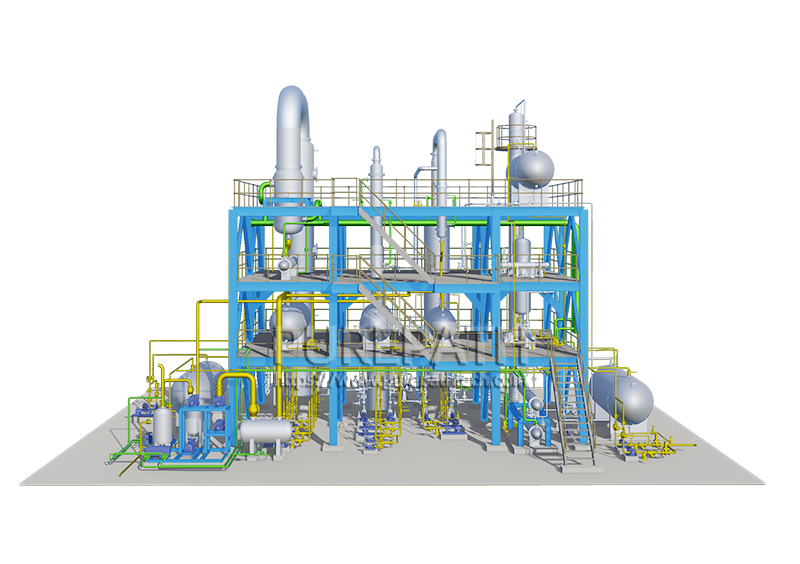
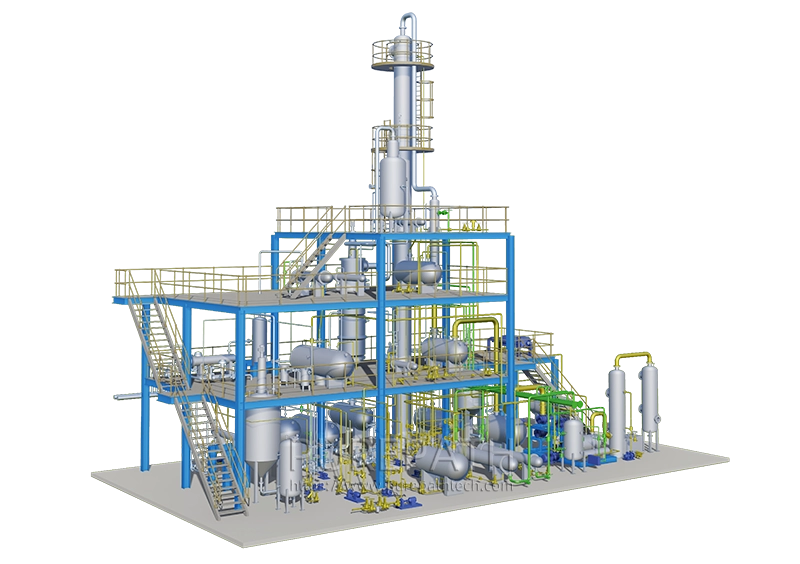
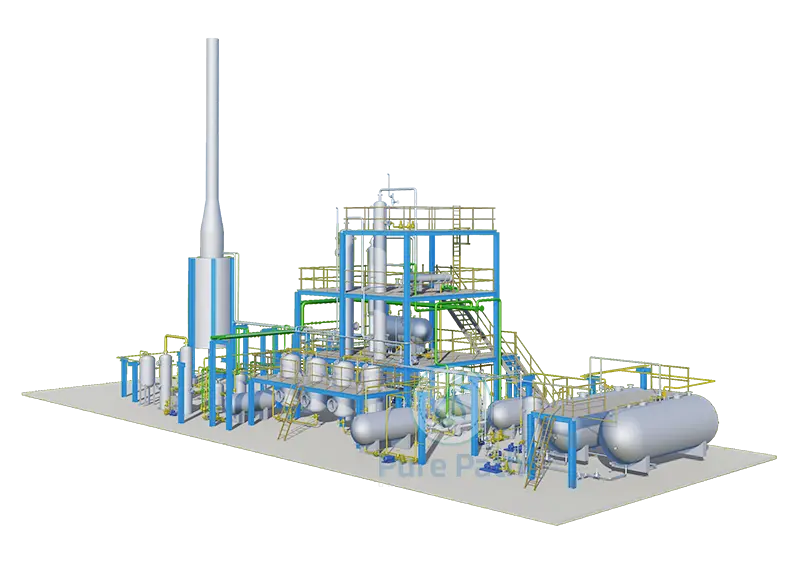
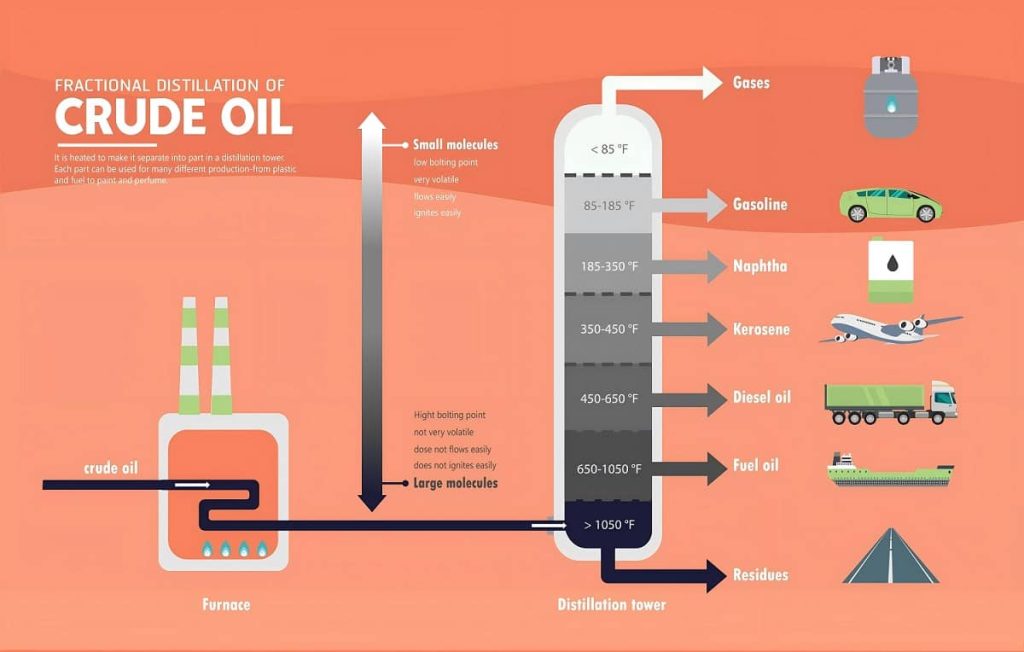
The crude oil distillation unit is the very first unit in a petroleum refinery. It is responsible for processing raw crude oil and separating its components based on their boiling points. This unit remains the most energy-intensive unit in the refinery as of March 2026, consuming about 35 to 45% of all energy used in the processes. Further, the feasibility of the hydrocrackers and fluid catalytic crackers very much depends on the effectiveness of crude distillation. The manner in which these units function and are maintained has considerably changed along with technological advancement and other global changes.
The Impact of Geopolitical Events on Global Distillation Capacity
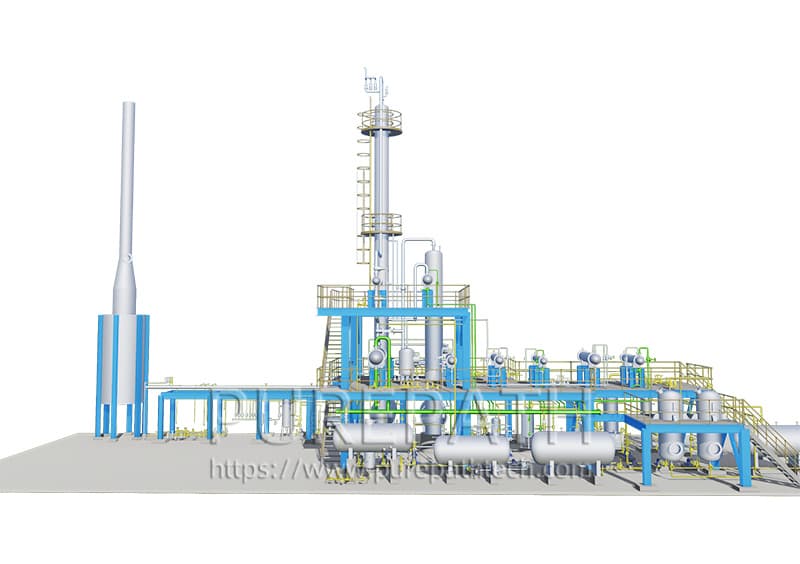
Physical equipment outages in the catalog of available products for the corporate consumers have defined the situation in the world markets in supplies of quality petroleum products in the first quarter of 2026. Inconsistencies in relations in the Gulf have sandwiched about 3.0 million barrels per day of refining capacity. Initial reports suggest that the principal trouble is the loss of the atmospheric distillation towers and their furnaces.
When a crude oil distillation unit is damaged or shut down, the refinery cannot produce the intermediate feedstocks required for other units. This has led to a reduction in the global supply of diesel and jet fuel. Efforts have been undertaken by the International Energy Agency, or IEA, on March 11th, 2026, which is the release from the strategic reserve of 400 million barrels of crude oil as a strategy to try to outdo the deficit. This was meant to serve as a sufficient supply of crude feedstock in order to enable the crude distillation of refineries operative in both Europe and Asia to work at full blast and make up for the affected crude processing units in the Middle East.
Lastly, the closure of the Strait of Hormuz has contributed to the shift in the mode of unprocessed crude supply to refineries. Previously, the refineries in the Gulf region would process heavy sour crude, but presently the current trend is to re-align the cuts in the distillation system to accommodate light oil tight oil (LTO) from the United States or sweet grades from regions like West Africa. Such changes and transitions necessitate particular adjustments to the temperatures and the pressures within the distillation columns in order to curb any product losses.
Digital Integration and Predictive Maintenance in the Crude Distillation Process
In 2026, running a refinery without the use of digital twin technology had automatically become a violation of the standard procedure. A digital twin is a modestly accurate simulation of part or all of an industrial gasoline distillation unit created in a computer environment using a structural computer model based on real-time data.
1. Monitoring Corrosion and Fouling
During the process of crude oil distillation, crude oil is passed into the oven through a preheater train of heat exchangers first. In 2026, refineries use ultrasonic sensors and thermal imaging to monitor the accumulation of salt and carbon deposits, known as fouling, in these exchangers. Deploying appropriate machine learning algorithms on this data enables one to pinpoint the exact moment when a distillation unit of crude oil requires attention. According to the findings, unplanned downtime has decreased by an average of 18% this year compared with the industry norms.
2. Real-Time Optimization (RTO)
We implement Real-Time Optimization (RTO) for adjusting reflux ratios and stripping steam rates using modern process control systems. In March 2027, global market data is incorporated in this system so that prices of naphtha are compared to kerosene, and the CDU specs are auto-adjusted accordingly. Profit maximization over real time has been ensured through this technology, negatively affecting the refinery host’s profit during peak hours.
Decarbonization and Electrification of Distillation Systems
New environmental policies that relate to 2026 put rigid constraints on the carbon dioxide released when the process of crude oil distillation is undertaken. The necessity of heating the raw petroleum to more than 350°C during this process makes the furnace in the crude distillation tower one of the major sources of scope 1 emissions.
1. Furnace Electrification
Several refineries in Singapore and Northern Europe have begun the process of replacing gas-fired burners with high-capacity electric heaters. These heaters utilize renewable electricity to provide the thermal energy required for the crude distillation process. While the capital expenditure for this transition is high, it allows the refinery to avoid carbon taxes that have increased significantly in 2026.
2. Hydrogen Fuel Implementation
For refineries where full electrification is not yet technically feasible, the use of low-carbon hydrogen as a fuel for the CDU furnace is a growing trend. By blending hydrogen with refinery fuel gas, operators can reduce the carbon intensity of the crude oil distillation unit. Current data shows that a 20% hydrogen blend can reduce furnace CO2 emissions by approximately 7% to 10% without requiring major structural changes to the burner hardware.
3. Carbon Capture Integration
By 2026, many large-scale crude oil distillation plants will be installing CCS systems on the flue gas stacks. This system is based on the use of amine solvents to remove and produce CO2 and prevent its discharge into the atmosphere. Holding capacity is high, the carbon dioxide is compressed and conveyed to the stopped oil fields for secure storage deep in the earth’s crust.
Advances in Physical Separation Technology
The internal components of the crude oil distillation unit have undergone significant technical updates to improve separation efficiency.
- High-Capacity Trays: By the year 2026, improvements such as gas flow optimization will be available for higher efficiency. These improvements would mitigate the challenges in offering the enhanced gas flow structure, leading to superior energy performance in the process of crude oil distillation.
- Dividing Wall Columns (DWC): To save on capital expenditure construction cost, many refineries have taken up retrofit cases for the crude unit with the help of dividing wall technology, which allows for streamwise separation of distillates in one column and therefore removes the need for additional separation towers, a practice that results in a 20% reduction in energy consumption.
- Membrane Pre-Separation: One breakthrough achievement for the use of polymer membranes was realized in 2026. Membrane systems are employed for removing light gases and water from the crude oil upstream of the crude oil distillation before the oil is fed into the CDU adequately. This improves the efficiency of the furnace by leveraging advances in technology, which has resulted in limiting the volume of the material to be heated.
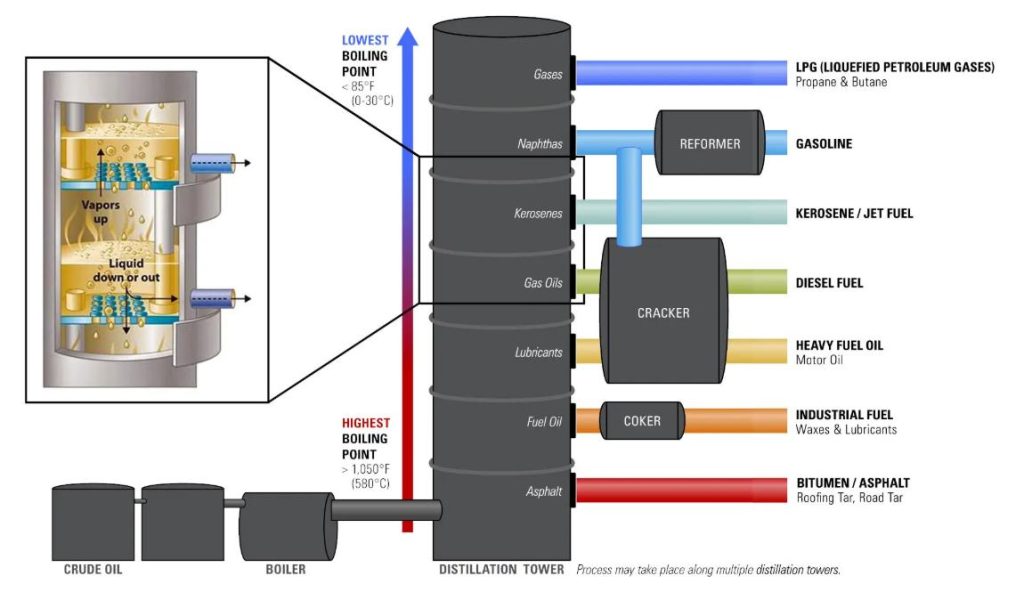
The process of distillation of crude oil used in petroleum refineries has been canonized for several decades, and rates of this procedure are dictated by technological development and geopolitics. Additionally, even when it comes to investing in digitizing and greening out of the distillation of crude oil, the sector currently faces the challenge of insecurity in supply due to conflicts occurring in various regions.
In terms of the data, by the end of 2026, significantly more profitable refineries will be able to install AI-based maintenance systems and carbon capture technology in refineries in comparison with less profitable refineries. Distillation units intended for crude oil are in high demand due to the need to produce liquid fuels and chemical feedstock in the global economy, but there is a change in the way these plants are operated.