
Can You Recycle Engine Oil Mixed with Coolant or Fuel?
Written By: Mr.Ran
Senior Petrochemical & Waste Oil Recycling Engineer
Deeply involved in the design, manufacturing, and optimization of various waste oil recycling and petrochemical equipment, delivering practical and efficient solutions for clients worldwide.
That barrel located at the corner of your workshop, which contains a dirty blend of old engine oil, old coolant, and a small amount of diesel fuel, is not only an unpleasant sight. It is a repetitive expenditure and a compliance issue. Disposal to the specialized service incurs a cost that goes to the profit reduction, while the standard recycling service usually refuses such “cocktails.”
The answer in a nutshell is yes, engine oil mixed with coolant or fuel can be recycled, but it needs proper technology. Basic filtration will not work. This guide elucidates the real difficulties of mixed waste oil and how a specialized recycling plant can convert this waste into an asset.
Why Mixed Waste Oil is a Problem for Conventional Recycling
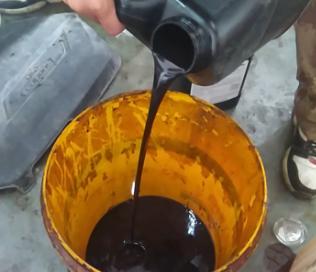
Contaminated oil isn’t just dirty; its components actively interfere with safe and efficient processing. Here’s why conventional methods fail.
1. The Chemistry of Contamination
Water & Coolant (Glycol): Water can cause dangerous flash boiling and foaming as it heats up. More importantly, however, glycol degrades in the heat to produce organic acids. These acids attack the internal components of recycling equipment, causing early failures and contaminating end products.
Light Fuels: These are normally Gasoline/Diesel. They have very low flash points. In a normal course of heating, these will evaporate quickly and are among the early ones to evaporate, leaving a big hazard for fire and explosion. On the other hand, if these vapors do not get segregated, they spoil the flash point and quality of the recovered base oil.
2. The Direct Business Impact
Mixed waste stream means:
- Rejection or Very High Charges: The vast majority of commercial recyclers either refuse heavily contaminated oil or charge huge premiums for it.
- Liability for Storage: If you cannot process it, you have to store it for a long time, which increases the risk of leaks, spills, and non-compliance with regulations.
- Resource Value Wasted: The valuable base oil stuck in the mixture is treated as a pure disposal cost and written off.
Key Stages in Processing Contaminated Waste Oil
Problems in handling mixed oils do not have a single-step solution. A strong on-site oil recycling solution has to employ a sequenced, engineered approach for safety and quality of output.
Stage 1: Pre-treatment-the Most Important Step.
Processing starts with safe handling and preliminary separation. Contaminated oil is fed into a settling tank. Here, by gravity, heavy solids, metal shavings, and free water are separated. The pre-treatment is crucial: it protects the core refining components from possible damage and is essential in the treatment of difficult emulsions (oil and coolant mixtures).
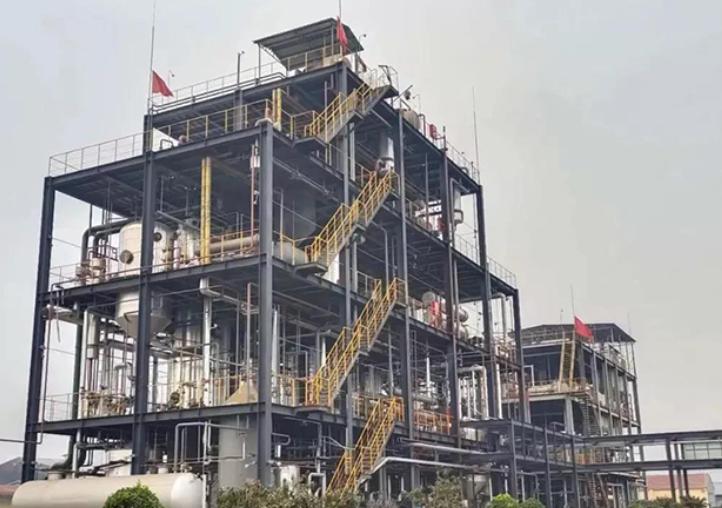
Stage 2: The Core Separation – Vacuum Distillation Technology
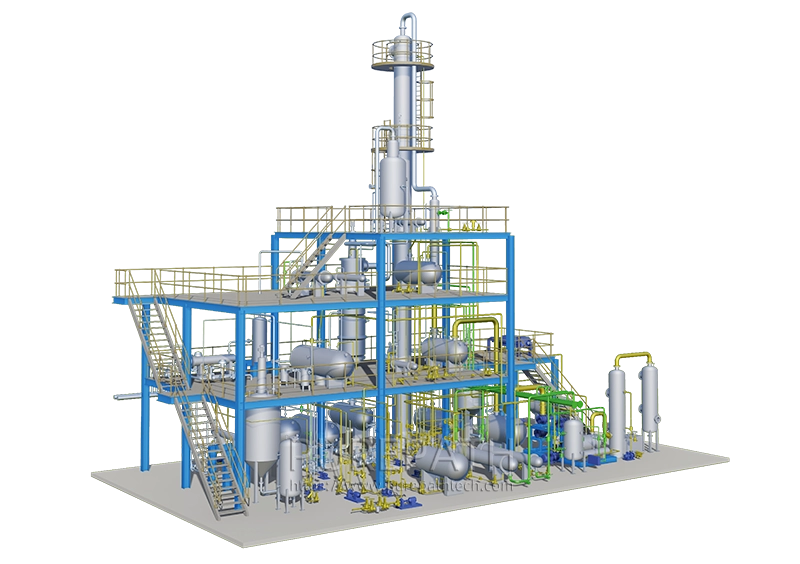
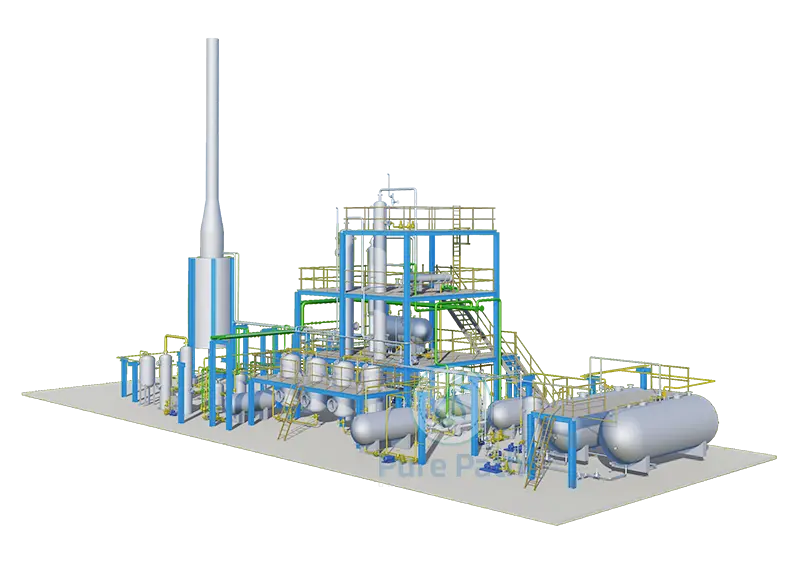
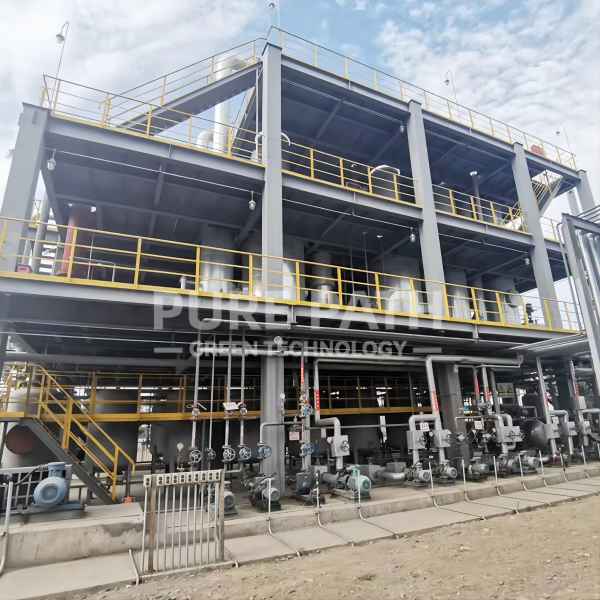
This is where advanced technology makes a difference. Modern systems-like our-use Vacuum Distillation. By reducing the pressure inside the system, it cuts the boiling point of the oil considerably.
- First of all, light fuel contaminants are safely and gently vaporized, then condensed and isolated into a separate fraction.
- The base oil is then distilled off at temperatures sufficiently low to avoid the base oil from cracking and coking, while water, glycol, and heavy sludge are left as residue.
This is the only reliable method of recycling engine oil mixed with fuel and coolant into high-purity base oil distillate by separation at a molecular level.
Stage 3: Final Polishing-usable quality
This oil still contains colorations and smells. A final polishing stage, like clay bleaching, removes these remaining polar impurities. The resultant product is a clear, stable, and marketable recycled base oil suitable for reuse as a lubricant, hydraulic oil, or high-value fuel.
Benefits of On-Site Recycling for Mixed Oil Streams
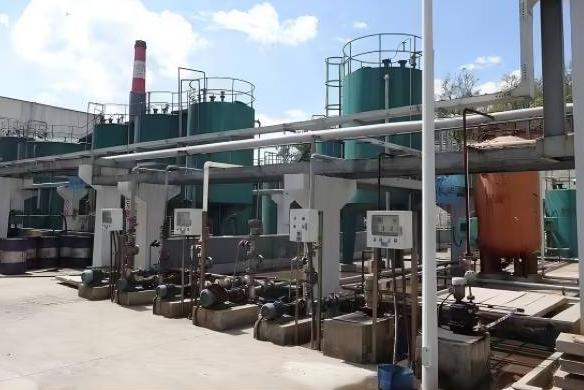
Investing in a system that handles your real-world waste mix delivers concrete operational and financial advantages.
Transform Cost into Revenue
| Before (External Disposal) | After (On-Site Recycling) |
| High, Variable Cost: Paying per gallon for hazardous waste removal. | Cost Eliminated: Zero disposal fees for recycled oil. |
| No Return: Pure expense. | New Revenue Stream: Regenerated oil used in-house or sold as fuel. |
Simplify Compliance & Reduce Risk
- The hazardous waste stored on-site will be drastically reduced, thereby minimizing the risk of spills and the associated environmental liabilities.
- Regulatory compliance will be simplified by having a transparent and auditable process for waste handling.
Gain Operational Independence
Liberate yourself from the timelines and price changes of outside waste haulers. Master your waste flow completely, turning it into a resource under management and boosting your eco-friendly image.
Is Your Operation a Candidate for In-House Recycling?
The choice of a professionally operated waste oil recycling plant is a strategic investment for facilities that regularly produce large quantities of waste oil. Consider the following:
- Is there a monthly production of waste oil amounting to more than 200 gallons (750 liters)?
- Is contamination of your waste stream with coolants, solvents, or fuels a frequent occurrence?
- Are your annual waste disposal costs experiencing a steady increase?
- Do you consider operational control and sustainable practices to be important?
In case you have replied “yes” to most of the above questions, then an on-site recycling solution is a good and economically feasible option. It is not merely a matter of waste management but rather a matter of resource recovery and company resilience.
Ready to find a solution that fits your needs?
Call us for a free, no-obligation consultation. Our engineers can assist you in determining your costs and volume of business to determine which type of waste oil recycling equipment would work best for your business.
Read more about our powerful Waste Engine Oil Recycling Plant, designed with complicated fluids in mind and offering exceptional return on investment!