
How to Manage Hazardous Waste Oil More Safely and Legally?
Written By: Mr.Ran
Senior Petrochemical & Waste Oil Recycling Engineer
Deeply involved in the design, manufacturing, and optimization of various waste oil recycling and petrochemical equipment, delivering practical and efficient solutions for clients worldwide.
For many businesses, hazardous waste oil is something that simply “needs to be taken away.” As long as it leaves the site, it often feels like the problem is solved. In reality, this approach is becoming increasingly risky.
Environmental regulations around waste oil are getting stricter, disposal costs continue to rise, and responsibility no longer ends once a licensed contractor picks it up. Companies are now expected to know where their waste oil goes, how it is handled, and whether it is treated in compliance with local laws.
At the same time, waste oil volumes are growing across industries. Managing hazardous waste oil is no longer just a housekeeping task. It has become a matter of legal compliance, operational safety, and long-term cost control. This is why many companies are rethinking how they manage waste oil and looking for safer, more controllable solutions.
Why Hazardous Waste Oil Is a Growing Compliance and Safety Risk
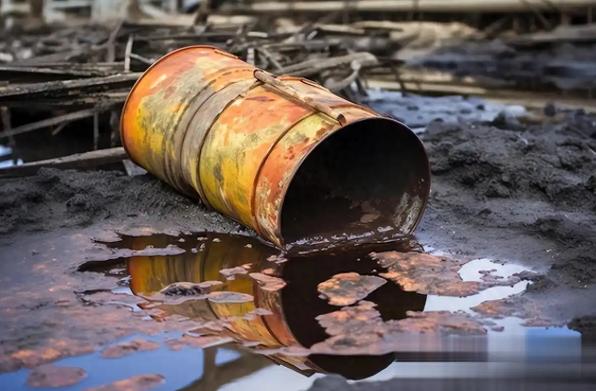
There are increased environmental regulations regarding hazardous waste oil. Governments are putting more burden on generators, as opposed to waste disposal companies. The increase in environmental regulations means that firms are responsible for waste oil as far as storing, transporting, processing, and recording are concerned.
Inappropriate handling of waste oil leads to:
- Fines for non-compliance and litigation risks
- Contamination of soil and water quality
- Storage areas explosion risks
- Fire and explosion hazards in storage areas
- Audits and inspections with greater scrutiny
On the other hand, the amounts of used oil being generated continue to swell as equipment and machinery in industrial setups and vehicles, among other equipment, continually need to be lubricated and serviced. Indeed, used oil no longer qualifies as a minor by-product in many enterprises, as it is now a problem of compliance and safety.
Common Challenges Companies Face When Handling Hazardous Waste Oil
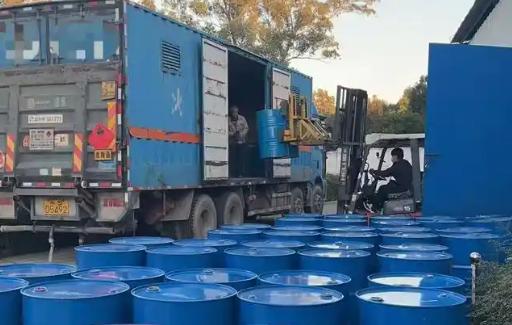
Most of the corporates are aware of the regulations but find the challenge in complying with them in their operations.
A key issue will be reliance on third-party disposal. Used oil needs to be collected, hauled off, and disposed of via third-party contractors. All of this will create some delay in their schedules, with increased costs of their services, as well as a lack of clarity on what happens to the oil once it is removed.
Another issue is the risk in storage and handling. Hazardous waste oil often builds up in drums or tanks while it waits to be collected. During this period, businesses are exposed to risks involving leakage, overfilling, accidental mixing, and worker exposure.
Documentation is also very weak. Record-keeping of waste oil generation, storage, and disposal is highly crucial for meeting legal requirements, but manual tracking systems are very prone to errors and inconsistencies.
Put together, these issues mean hazardous waste oil management is expensive, labor-intensive, and hardest to control, especially for companies whose operations involve continuous waste oil generation.
How Waste Oil Recycling Machines Support Safer and Legal Waste Oil
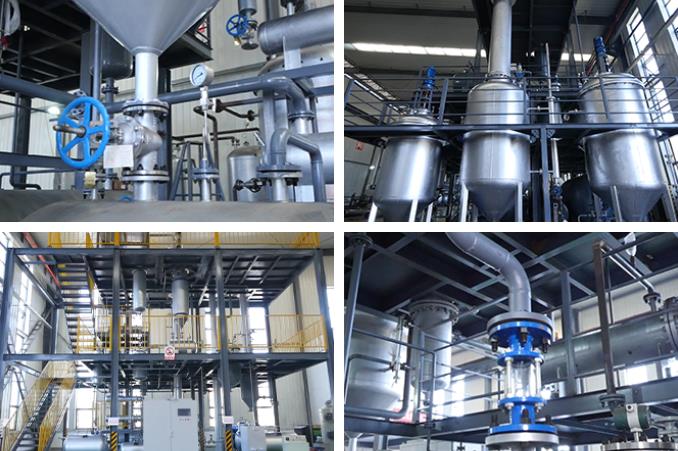
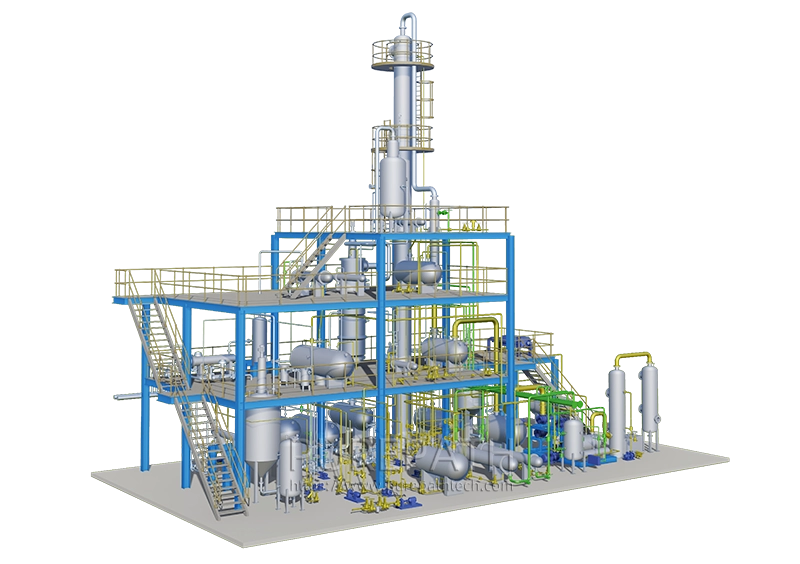
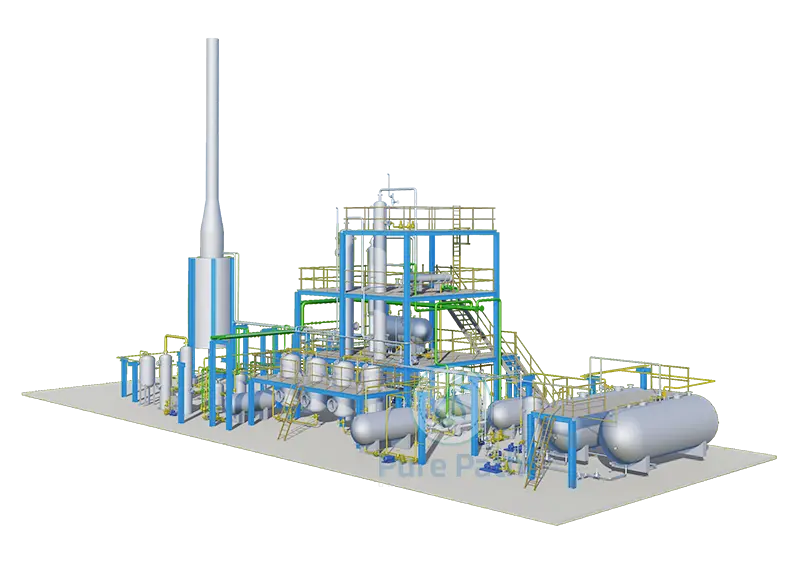
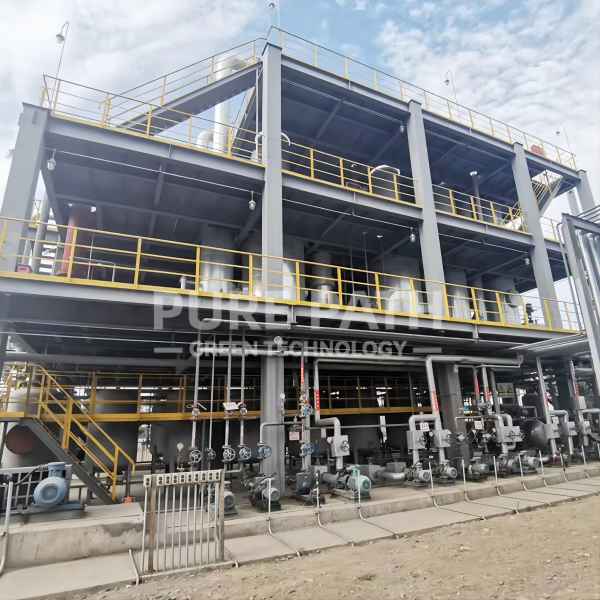
To overcome these challenges, many firms are now adopting waste oil recycling facilities in their establishments, in an effort to manage their hazardous waste.
Waste oil recycling machines enable companies to recycle used oil in-house, thus lessening the amount of toxic waste materials that require storage or shipment away from the company. Used oil, which previously was looked upon as just a disposal concern, thus become a resource that, upon treatment, could be reused.
On the regulatory compliance end, there are some absolutes seen with on-site recycling:
- A cut-down of the hazardous waste volume and the resultant decrease in regulatory exposure.
- The fact that processing takes place in a closed and controlled environment minimizes spill and fire risk.
- Trackability as far as the point at which the recycling of the oil takes place within the company’s operational system.
In many instances, recovered oil can be reused as fuel or industrial oil, providing environmental compliance and improved resource efficiency and cost control.
By the direct incorporation of waste oil recycling machines into normal daily activities, companies take control over how the hazardous waste oil is managed, tracked, and processed, rather than solely placing all of their trust in external contractors.
Key Considerations When Implementing a Waste Oil Recycling Solution
Although on-site recycling presents obvious advantages, being able to adapt the right system and approach is central to successful implementation.
The capacity matching is among the first to be considered. Every waste oil recycling machine in a family should be selected in accordance with the actual generation of waste oil and not based on peak estimation. An oversized system results in increased investment and running costs, while an undersized ones create processing bottlenecks.
Another important factor is the composition of the waste oil. While most systems can accept all usual applications of waste oils like engine oil, hydraulic oil, gear oil, and lubricating oil, contaminants and water content have to be considered in system selection.
Compliance needs also differ depending on the region. Companies should assess:
| Consideration | Why It Matters |
| Emission standards | Ensure the system meets local environmental limits |
| Residue handling | Sludge and residues must be managed legally |
| Operating documentation | Supports audits and inspections |
| Safety features | Reduces fire and exposure risks |
Finally, operational simplicity and maintenance requirements should not be overlooked. A reliable waste oil recycling system should integrate smoothly into daily operations without requiring excessive manual intervention.
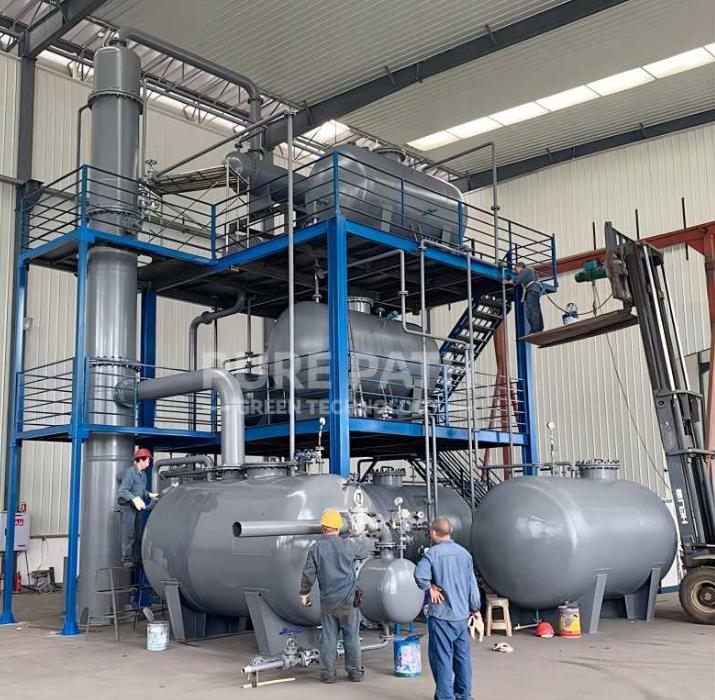
Building a Long-Term, Compliant Waste Oil Management Strategy
Effective and legal management of hazardous waste oil is not an action for the short term but an ongoing process. Organizations that implement the recycling process in-house find it easy to standardize and minimize the need for outsourcing.
With time, the benefits of complying with the new rules will go beyond
- Reduces disposal and transport costs
- Less risk when storing and handling
- Enhancing sustainability performance & ESG reporting
With an experienced manufacturer of waste oil recycling machines, it is ensured that the solution chosen will conform to the respective regulatory requirements, as well as the functional requirements. The increasing environmental expectations support organizations in undertaking the best-practice risk management of hazardous waste oils to manage operational threats at low cost and good stewardship.
Contact us for a free waste oil flow assessment. Our engineers will tailor the most cost-effective on-site waste oil recovery solution to your specific needs!