
$100 Oil Peak: Why Used Oil Recycling is the Most Profitable Investment in 2026?
Written By: Mr.Ran
Senior Petrochemical & Waste Oil Recycling Engineer
Deeply involved in the design, manufacturing, and optimization of various waste oil recycling and petrochemical equipment, delivering practical and efficient solutions for clients worldwide.
The geopolitical earthquakes that shook the world in March 2026 have irrevocably changed the world’s energy landscape. The de facto straitjacking of the Strait of Hormuz, which has effectively bottlenecked 20% of the world’s daily petroleum liquids, has caused the price of Brent Crude Oil to break the $100 barrier for the first time in years. While this volatility creates chaos for traditional supply chains, it has opened a historic window of profitability for the used oil recycling sector.
For the big industrial investors, the story has changed. The establishment of a high-capacity used oil recycling plant is no longer merely seen as the “green” thing to do; it is now seen as a way to protect oneself from the fractured world oil market.

How High Oil Prices Drive Used Oil Recycling Margins
The profitability of an industrial used oil recycling facility is determined by the spread between feedstock costs and the price of finished lubricants. In a $100/barrel environment, this spread grows exponentially.
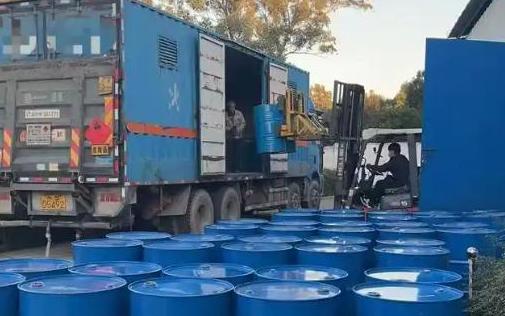
In a normal market environment ($60-$70/bbl), the margin for base oil production is steady but unremarkable. As of March 10th, 2026, however, the price of virgin API Group I and II base oils has risen in concert with crude oil prices. In a normal environment, “waste oil” (feedstock) price adjustment can be expected to lag 30-60 days from the time of collection.
- Virgin Base Oil (SN150/300): Market prices have risen by around 35% since the blockade announcement on February 28th.
- Operating Margin: Data available shows that the gross profit per ton of recycled base oil in March 2026 has risen by almost $180 compared to Q4 2025.
- ROI Acceleration: In a plant where 100 TPD is processed, this price differential effectively reduces the Payback Period by 4-6 months.
Why Every Region Needs a Local Used Oil Recycling Plant Now
The shipping disruptions of 2026 have shown how brittle global supply chains are. When the Strait of Hormuz is constricted, land-locked or oil-import-dependent nations will experience an immediate lack of high-quality lubricants and industrial fuels.
Depending on imported virgin base oils is now a high-risk strategy. Creating a localized used oil recycling facility is a “circular shield.” Treating used oil as a renewable resource can provide:
- Import Substitution: Replacing costly and delayed imports of virgin material with high-quality recycled base oils like SN150-SN500.
- Supply Security: Providing a consistent flow of lubricants to the local transportation and manufacturing sectors, unaffected by maritime blockade.
- Cost Control: Protecting the local sector from the 50% rise in freight and insurance costs following maritime tensions.

Technical Efficiency: How PurePath Optimizes Your Used Oil Recycling Plant Yield
According to PurePath’s project feasibility simulations and current market crack spreads, a 2% yield increase at $110 per barrel represents an increase of $800,000 in annual net profits for a 100 TPD facility. A 2% loss in efficiency for a 50,000-ton per year facility translates to millions of dollars in lost revenues.
At PurePath, we specialize in maximizing the “Product Fraction” using two proprietary technologies:
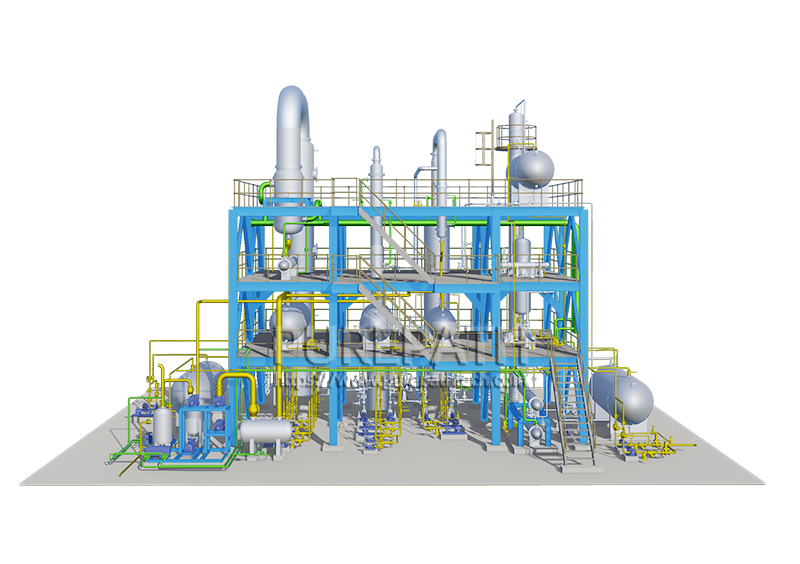
- High-Vacuum Thin Film Evaporation: Unlike in the conventional batch distillation process, where the oil is “cracked” as a result of long hours of heating, our process utilizes high-vacuum technology, which reduces the boiling point of the crude oil and thus prevents degradation of the crude oil, ensuring a base oil yield of 85% and above.
- Solvent Extraction Refining: In order to meet API II specification requirements, the dark and odorous distillates need to be refined. Our solvent extraction refining process removes PAHs and nitrogen/sulfur compounds without the need for costly hydrogen addition, as in the case of hydrofinishing. This results in a water-white base oil with high oxidation stability, thus allowing for premium pricing.

Rapid EPC and Commissioning for Large-Scale Used Oil Recycling Plants
Time to market is critical when the oil prices are peaking. The investors cannot wait for the 3-year construction period when the window is open. PurePath solves this problem through the Modular EPC method.
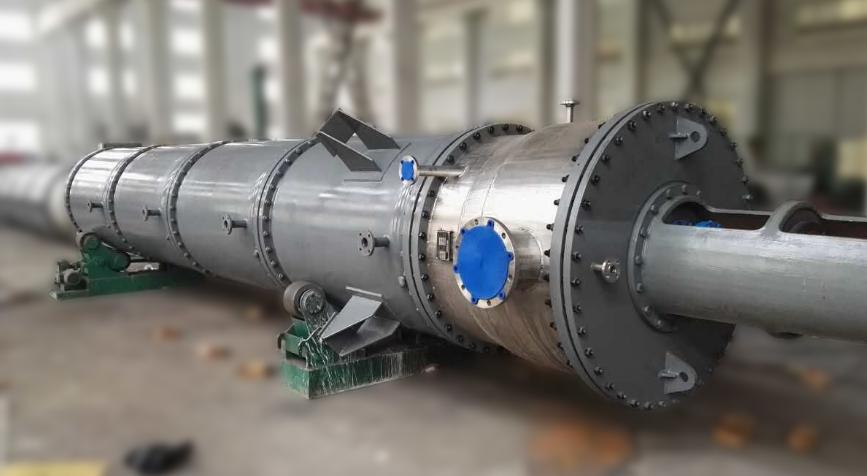
For our large-to-medium scale facilities, we have employed the ‘Hybrid Modularization’ method. Although the main columns are erected on-site, the complex utilities such as the vacuum groups, the thermal oil heaters, and the PLC control skids are pre-assembled and FAT-tested at our facility.
- Design Phase: Through the use of Aspen HYSYS for molecular simulation, the plant is optimized for the feedstock type in the targeted region.
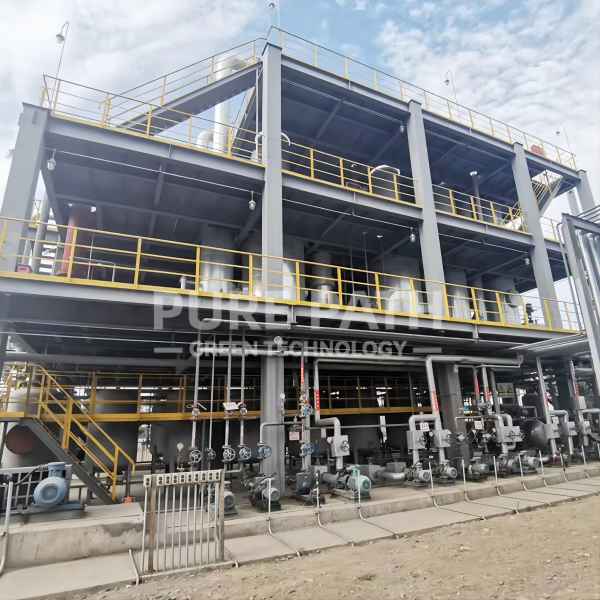
- On-Site Integration: This method has the advantage of minimizing on-site welding and electrical work by up to 40%. This allows the 100 TPD used oil recycling plant to go from groundbreaking to “First Oil” in record time.
- Digital Commissioning: PurePath’s team makes use of the integrated DCS/PLC systems in order to assist in remote monitoring and startup, thus reducing the risk of travel restrictions in unstable zones.
Sustainability Meets Profitability
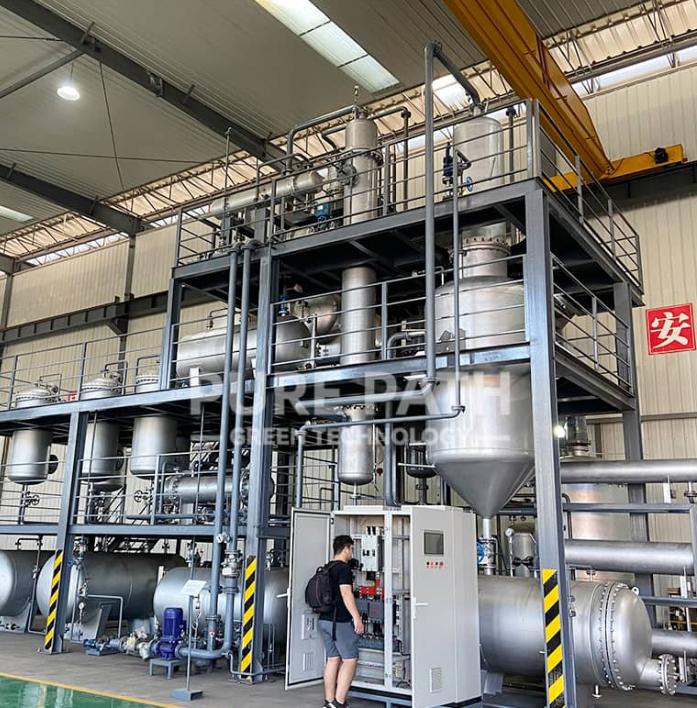
In 2026, environmental compliance is not a regulatory requirement; it’s a competitive advantage. The used oil recycling facility designed and engineered by PurePath is more than just a facility for waste management; it’s a facility for converting waste into gold. Our facilities are designed for zero discharge, using state-of-the-art non-condensable gas scrubbing technology to utilize process emissions as a fuel source for its own thermal heaters.
Our proprietary Solvent Extraction and Vacuum Distillation technologies are combined to ensure every drop of feedstock is utilized, thereby producing API-grade base oils in an environmentally conscious manner by minimizing carbon footprint. At PurePath, we demonstrate that economic viability and environmental responsibility are not mutually exclusive, but are in fact synonymous.
Ready to ensure your energy future?
Get in touch with us today to receive your customized Technical Proposal and ROI Analysis for your 50-200 TPD Used Oil Recycling Project! Let’s turn global volatility to your local advantage!