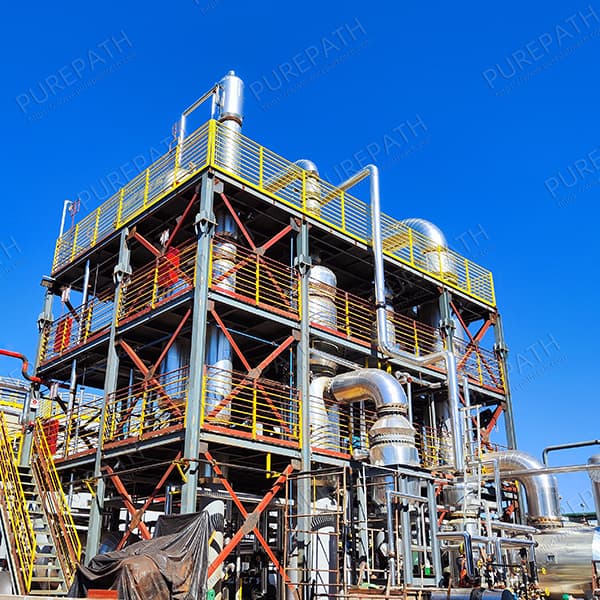
Why Oil Carryover Occurs in Vacuum Distillation Equipment
|

Why Oil Carryover Occurs in Vacuum Distillation Equipment

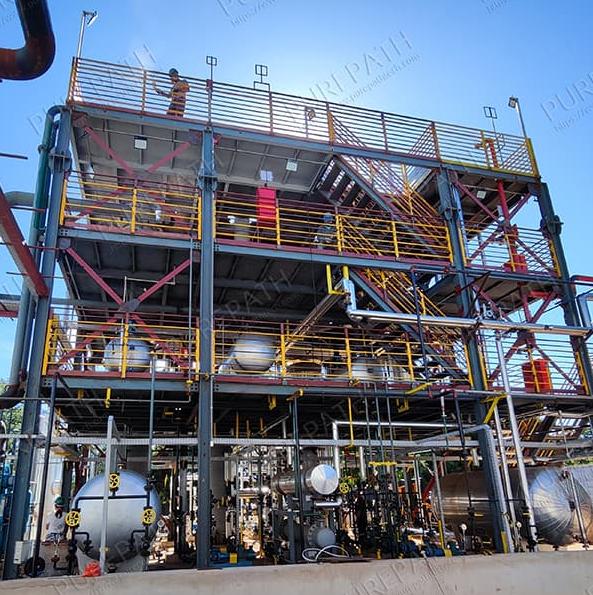
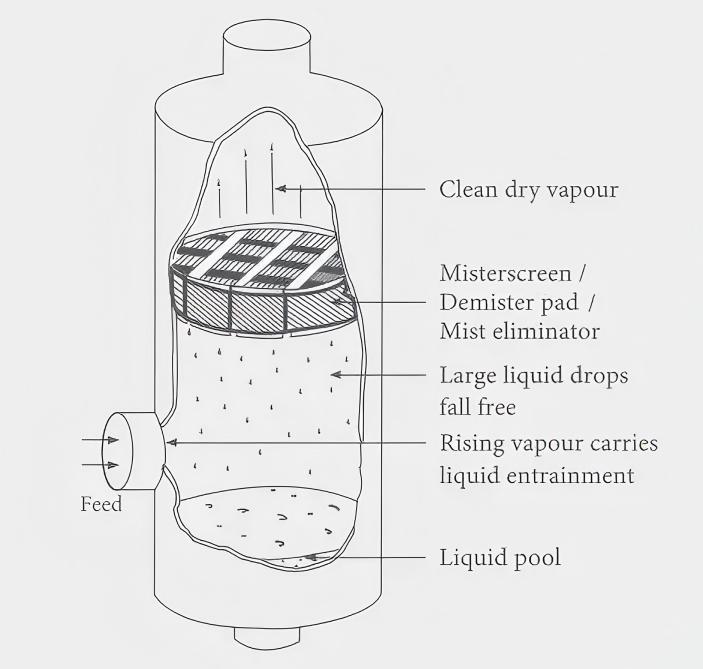
Home / Literatures Oil carryover is an operational issue in the vacuum distillation of waste oil re-refining. It is characterised by the exit of liquid oil droplets or foam along with the rising vapour from the distillation column to downstream equipment. It can lead to greasy deposits in vapour lines, increased loading on condensers, and…

Waste Oil Recycling Plant Cost Breakdown: Equipment, Utilities, and Operating Expenses
|

Waste Oil Recycling Plant Cost Breakdown: Equipment, Utilities, and Operating Expenses

Home / Literatures When you budget for a waste oil recycling plant, you need to think beyond the price of equipment. The total project budget also includes installation, utilities, site preparation, environmental controls, and operating costs. The difficulty for buyers is to understand what the suppliers quote. The equipment may be cheaper, but major costs…

Used Oil Re-Refining Technologies Comparison: Selecting the Right Process for High-Quality Base Oil
|

Used Oil Re-Refining Technologies Comparison: Selecting the Right Process for High-Quality Base Oil

The modern industrial and automotive sectors generate substantial quantities of used oil annually. This waste stream, encompassing spent lubricating oils, hydraulic fluids, and industrial process oils, poses significant environmental challenges if not managed responsibly.

How Used Oil Feedstock Quality Affects Base Oil Yield
|

How Used Oil Feedstock Quality Affects Base Oil Yield

Home / Literatures Used oil feedstock quality is one of the most important variables affecting the used oil base oil yield. The same amount of waste oil collected can yield varying amounts of re-refined base oil as the composition of the waste oil may contain different percentages of recoverable lubricating hydrocarbons, water, fuel dilution, sludge, solids,…

Used Oil Decolorization and Deodorization: Causes, Technologies and Solutions
|

Used Oil Decolorization and Deodorization: Causes, Technologies and Solutions

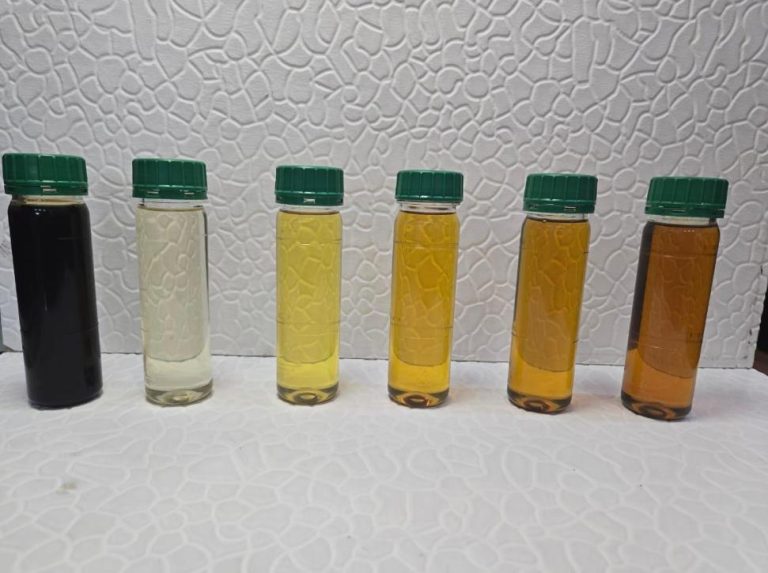
Home / Literatures Refining used/waste oil is not merely about separating impurities from used lubricating oil. Dark color, unpleasant odor, and color changes that occur during storage all affect the quality and market competitiveness of the regenerated base oil. These problems often have diverse causes and require different treatment methods. Adsorption can remove certain color-causing…

Used Oil Feedstock Specification for Re-Refining
|

Used Oil Feedstock Specification for Re-Refining

Home / Literatures The quality of used oil feedstock directly affects re-refining efficiency, product consistency, residue generation, and operating cost. Before used lubricating oil enters a commercial re-refining plant, operators need clear feedstock specifications and acceptance criteria to determine whether each batch is suitable for processing. A used oil feedstock specification is not a universal pass/fail standard. Acceptable…

Why Is the Base Oil Yield Lower Than Expected? 5 Common Causes
|

Why Is the Base Oil Yield Lower Than Expected? 5 Common Causes

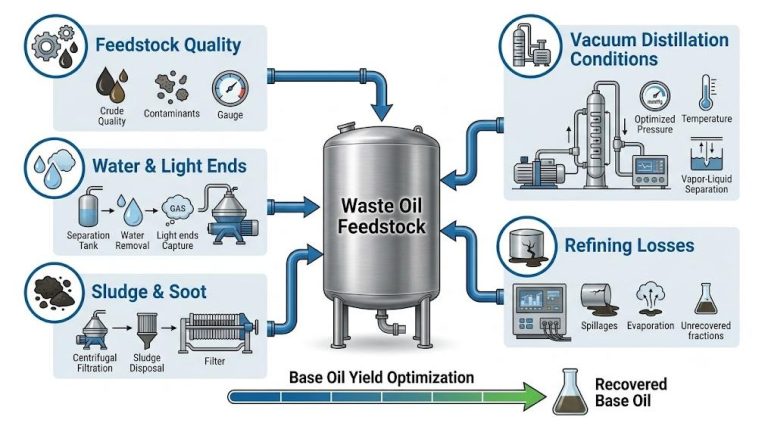
Home / Literatures During the re-refining process of waste oil, the yield of base oil is often lower than expected. Besides the equipment performance, the actual recovery rate is also affected by the quality of raw materials, moisture, light components, heavy pollutants, vacuum conditions and refining losses. Before replacing the equipment or increasing the operating…

What Causes Dark Color in Re-Refined Base Oil?
|

What Causes Dark Color in Re-Refined Base Oil?

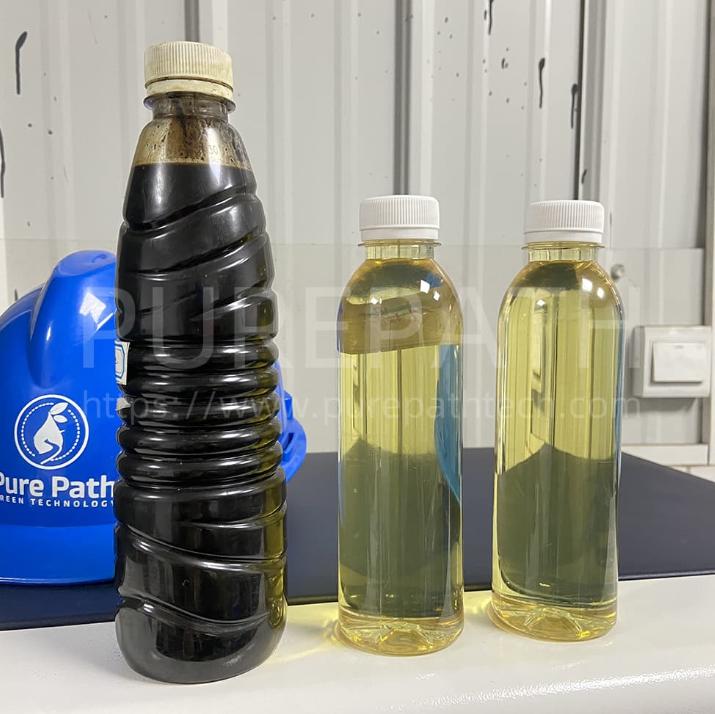
Home / Literatures Dark color is a common quality issue for refined base oils, but it does not necessarily indicate a failure in the distillation process. The final color is influenced by the raw material condition, residual impurities, thermal conditions, and the downstream purification effect. Identifying the source of the color is the first step…

Used Oil Recycling Plant Cost: CAPEX, OPEX, and ROI Optimization Guide
|

Used Oil Recycling Plant Cost: CAPEX, OPEX, and ROI Optimization Guide

Running a waste oil recycling plant not only means maintaining a lean headcount and low costs of supplies, but also effective process management, material handling, as well as the most efficient use of energy available, to ensure the operations are well managed to prevent the waste of high production capacities in the name of low margins.

End of content

End of content