Cutting-Edge Technologies Driving Crude Oil Refinery Efficiency
|

Cutting-Edge Technologies Driving Crude Oil Refinery Efficiency

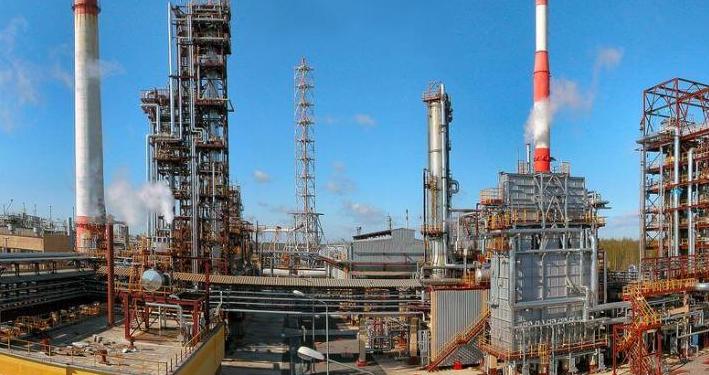
The efficiency of crude oil refineries lies not only in converting crude oil into usable products, but also in maximizing output, minimizing energy consumption, reducing emissions, and ensuring safe and reliable operation. By 2026, modern crude oil refineries will no longer rely solely on powerful processing capacity; advanced technology will also play a crucial role.

Hydrotreating Unit Capacity Selection for Small and Medium Refineries
|

Hydrotreating Unit Capacity Selection for Small and Medium Refineries

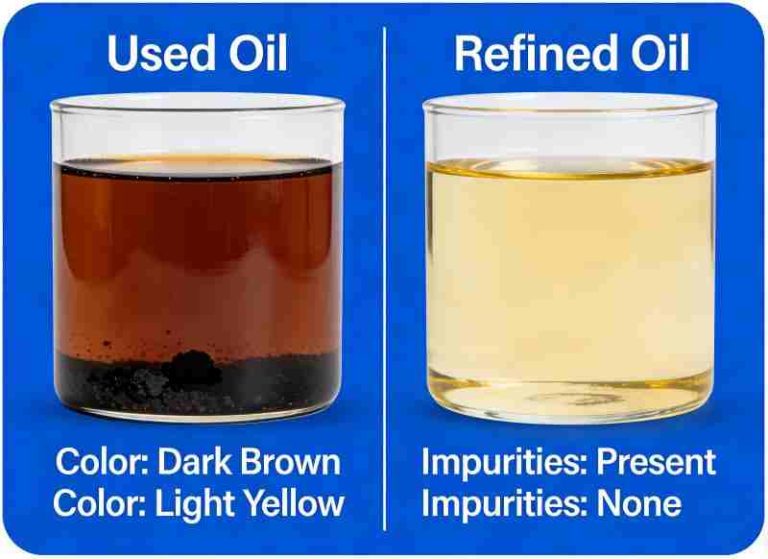
The answer in a nutshell is yes, engine oil mixed with coolant or fuel can be recycled, but it needs proper technology. Basic filtration will not work. This guide elucidates the real difficulties of mixed waste oil and how a specialized recycling plant can convert this waste into an asset.

How to Choose Used Oil Refining Machine Capacity for Your Waste Oil Volume?
|

How to Choose Used Oil Refining Machine Capacity for Your Waste Oil Volume?

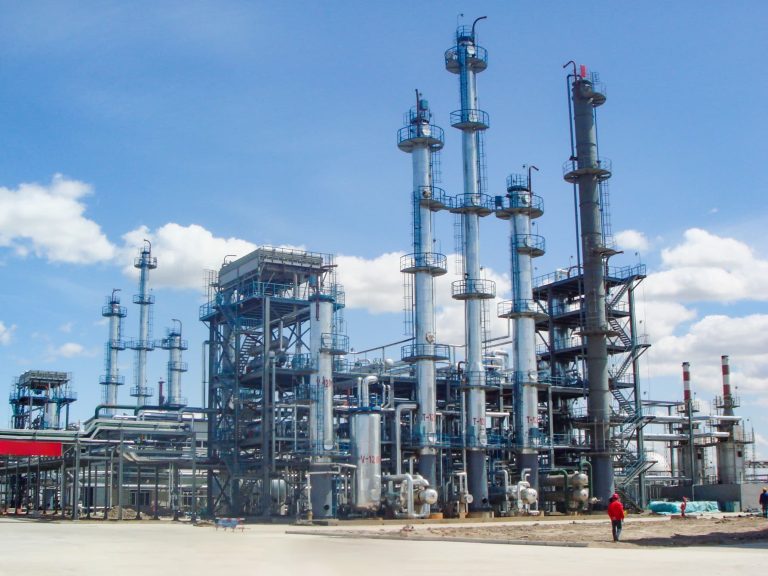
Usually, when the topic of how to pick used oil refining equipment comes up, technology or product quality is the first thing suppliers mention. However, the choice of capacity is the one that determines if the project will be profitable or if it will become a nuisance.A good machine will not work properly if the capacity is incorrect, no matter how good it is.

How Catalytic Cracking Works in Oil Refinery?
|

How Catalytic Cracking Works in Oil Refinery?

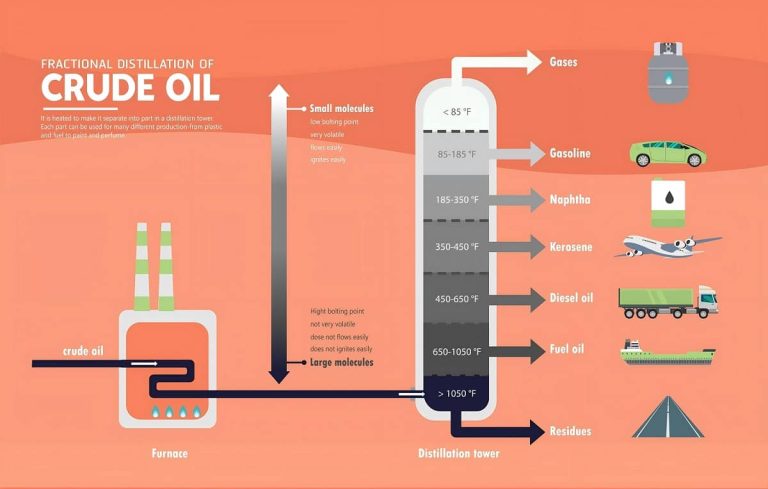
Here’s the key to success in the petroleum industry: get the maximum possible yield from every barrel of crude oil. One of the essential stages of the refining process is distillation. During this process, crude oil is separated into basic components. However, the real engines of profit in a petroleum refinery today are the catalytic cracking units. These units are crucial to breaking down cheaper, heavy oils to produce higher-value products such as petrol and other light fuels.

Diesel vs Gasoline Refining: What Are the Difference?
|

Diesel vs Gasoline Refining: What Are the Difference?

While diesel fuel and gasoline come from the same source—crude oil—they are processed at a refinery in very different ways. These differences impact everything from the environmental performance of diesel and petrol and fuel prices to refinery margins and even the long-term energy policy of a country.

End of content

End of content